What does “ungraded card” mean?
What it means
An ungraded card is a trading card that has not undergone professional authentication, grading, or encapsulation by a recognized third-party service such as PSA, Beckett (BGS), or CGC. The mainstream equivalent is an "raw" card. Unlike graded cards, which carry a numerical score (e.g., PSA 9), an ungraded card's condition assessment relies solely on the seller's subjective description (e.g., Near Mint, Excellent) and the buyer's visual inspection. There is no standardized, verifiable measure of its state.
What it does to price
Ungraded cards typically command a lower price point than their graded counterparts, often representing 30% to 60% of the value of a comparable graded version, depending on the card's rarity and market demand. Condition is the primary driver of price variance. A card described as "Mint" but showing minor edge wear will sell for significantly less than one described as "Near Mint" with perfect edges. For a common chase card, the difference between a seller listing it as "Lightly Played" versus "Excellent" can equate to a $5 to $20 difference in the final sale price.
How to spot it
The tell is the absence of a third-party slab or certificate. If a card is sold as ungraded, it is raw. To verify condition, sellers must provide high-resolution images. Buyers must inspect corners for rounding, edges for chipping, and the surface for print lines or scratches. Common honest mistakes involve mislabeling a "Lightly Played" card as "Near Mint." Fakes are rare in the raw market unless the card is highly valuable, but buyers should check for inconsistent printing or unusual texture if the price seems too good to be true.
Buying smart
Paying a premium for an ungraded card is only justified when the card is extremely rare, has high speculative value, or when the price difference between the raw and graded version is minimal. For mid-tier cards, the risk of condition discrepancy outweighs the potential savings. A fair deal for an ungraded card requires the seller to provide photographic evidence that supports their stated condition. If the seller provides vague photos or refuses detail shots, the risk is too high for a worthwhile purchase.
Selling smart
To maximize returns, the listing must accurately reflect the card's physical state. Do not inflate the condition description. If the card has any discernible wear, list it honestly (e.g., "LP - minor corner whitening"). Providing clear, well-lit photos showing the four corners, all four edges, and the front/back surface is non-negotiable. This transparency builds trust, justifies the price, and reduces the likelihood of buyer disputes, allowing the seller to command a stable market price.
On eBay right now
Current asking prices from live listings — not sold-comp medians.


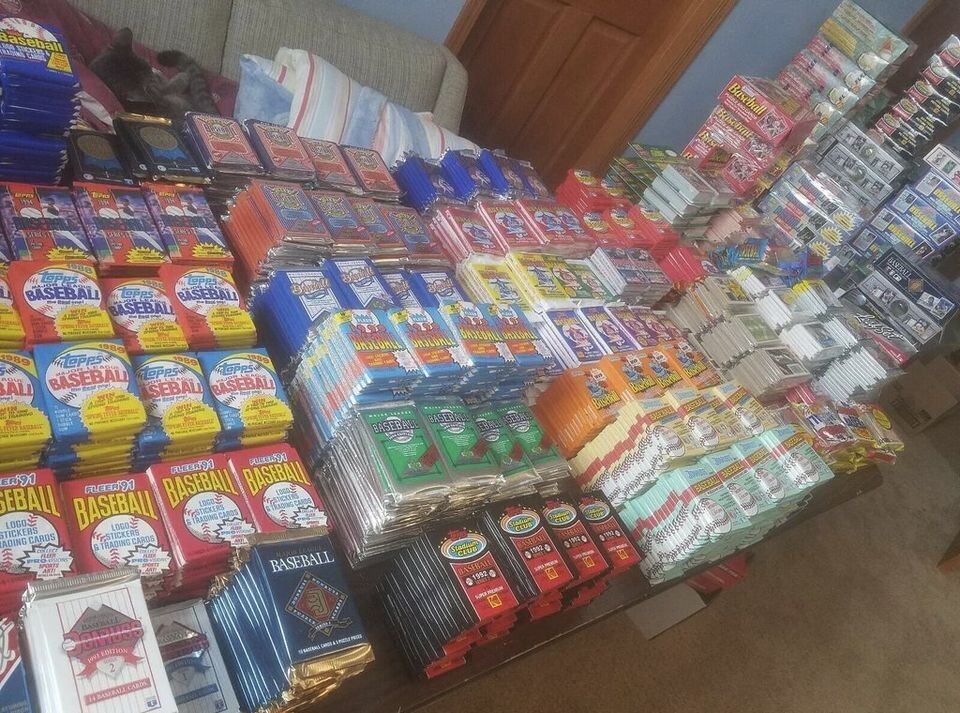


eBay links are affiliate links: JunkPal may earn a commission at no cost to you.
Resale values related to ungraded card
Shop ungraded card on eBay ↗![Number 93: Utopia Kaiser [Ultra Rare] YCSW-EN009](/api/images/junkpal-products/cards/number-93-utopia-kaiser-ultra-rare-ycsw-en009-yugioh-championship-series-card/img0/thumb.webp)





JunkPal may earn a commission when you buy through eBay links, at no extra cost to you.
What’s worth the most
Ranked on medians of real closed eBay sales, not asking prices.