What does “ultra rare pull” mean?
What it means
An "ultra rare pull" is a trading card acquired from sealed product (booster packs, boxes, etc.) that the manufacturer has deliberately assigned an extremely low drop rate to. This is distinct from simply being a high-grade copy of a common card. The designation implies intentional scarcity. These cards are usually identified by specific numbering (e.g., /5, /100), unique foil treatments, or inclusion in a strictly limited, chase subset. In mainstream terms, this is the equivalent of a "grail" or "chase card." Its value is derived almost entirely from its manufactured scarcity.
What it does to price
The rarity factor applies a significant, non-linear multiplier to the card's base value. A common, non-numbered card might sell for $1-$5. An ultra rare pull, depending on its specific set and condition, can easily multiply that value by 10x to 50x or more. For example, a standard holographic insert might sell for $10; the same card, if it is an ultra rare pull, could command $150-$300 depending on population reports. Factors pushing value up include low reported population counts and high demand from specific collecting demographics. Value drops if the card is damaged, or if the manufacturer later releases an "error variant" that mimics the rarity.
How to spot it
The primary tell is the card's official numbering or the specific designation printed on the card itself (e.g., "Limited Edition," "1/10"). Look for unique visual identifiers: specialized foil patterns, distinct border designs, or holographic overlays that differ from standard parallels. Sellers must provide high-resolution images of both the front and back. Common issues include misidentified parallels (mistaking a common parallel for an ultra rare) or simple wear that obscures the numbering. Always verify the set symbol matches the promised rarity tier.
Buying smart
Paying a premium for an ultra rare pull is justified when the card is a cornerstone piece of a highly desirable, actively traded set, and its condition is near-perfect (PSA 9/10 equivalent). If the card is part of a set with low overall collector interest, the premium may not be worth the risk. A fair deal involves comparing the asking price against recent sales data for the exact card number and condition grade. If the asking price is significantly above the established market average for that specific population, it is likely inflated.
Selling smart
Proving the card's status as an ultra rare pull is the key to maximizing return. Listings must explicitly state the card number and the set's rarity designation. The single most valuable piece of evidence is a clear, focused photo showing the official numbering or the unique rarity stamp on the card. If the card is graded by a third-party service (PSA, BGS), the slab itself serves as the ultimate proof, instantly commanding the highest tier of buyer confidence and price.
On eBay right now
Current asking prices from live listings — not sold-comp medians.

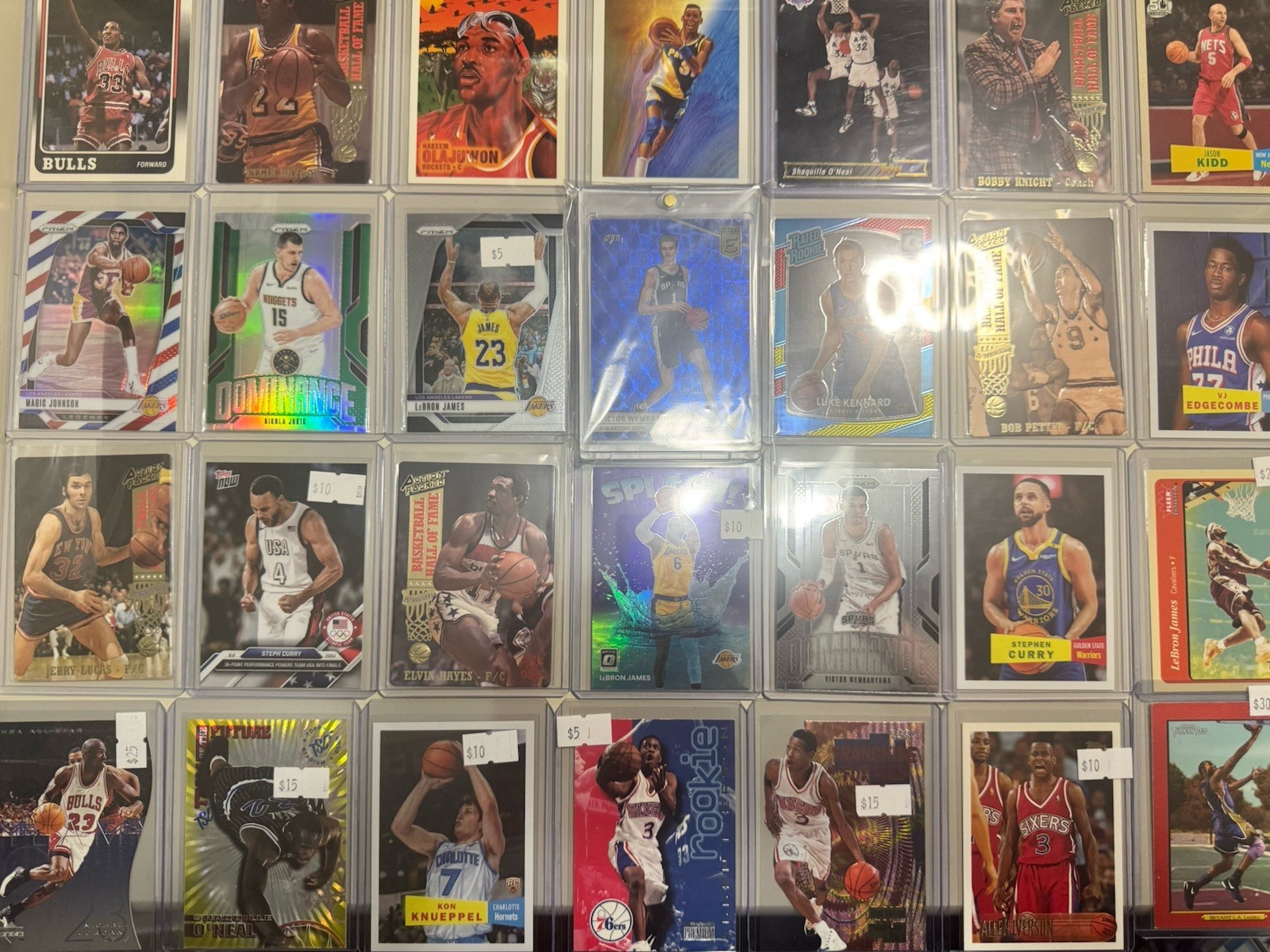
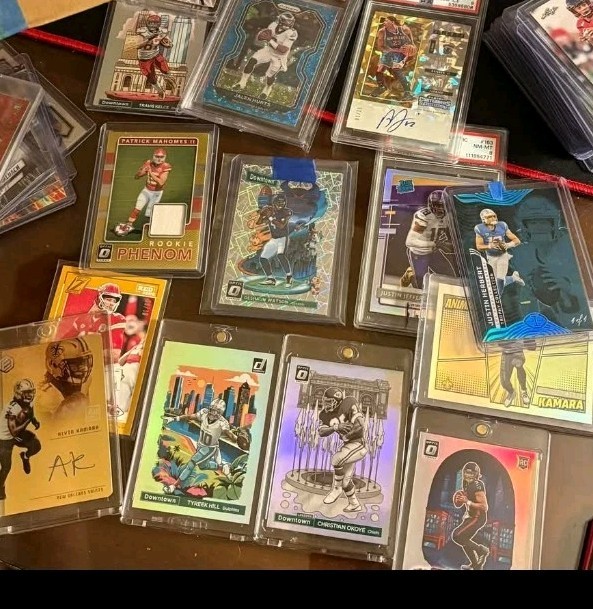


eBay links are affiliate links: JunkPal may earn a commission at no cost to you.
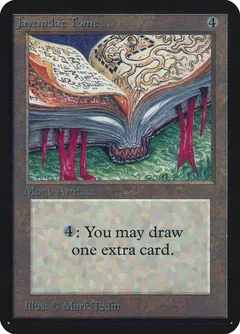
Resale values related to ultra rare pull
Shop ultra rare pull on eBay ↗![Jolteon [Tekno] #135](/api/images/junkpal-products/cards/jolteon-tekno-135-pokemon-2000-topps-chrome-card/img0/thumb.webp)




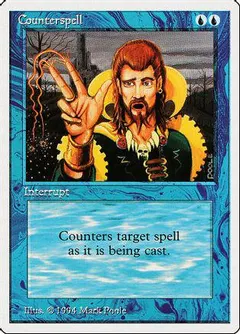
![Voltorb [Tekno] #100](/api/images/junkpal-products/cards/voltorb-tekno-100-pokemon-2000-topps-chrome-card/img0/thumb.webp)
JunkPal may earn a commission when you buy through eBay links, at no extra cost to you.
What’s worth the most
Ranked on medians of real closed eBay sales, not asking prices.