What does “ultra rare” mean?
What it means
"Ultra rare" in trading cards denotes a card manufactured in extremely low quantities relative to the base set population. This is a measure of scarcity, not necessarily inherent aesthetic value. It surpasses standard "rare" designations, which might be part of a larger production run. Ultra rare status is often tied to specific manufacturing constraints: serial numbering, unique foil patterns, error printing, or inclusion in highly limited promotional packs. For the reseller, this translates directly to limited supply meeting consistent demand.
What it does to price
The scarcity drives significant price inflation. A standard rare card might fetch $5-$20 loose. An ultra rare card, depending on its desirability and condition, can easily command a 5x to 20x multiplier over its common counterpart. A high-grade, authenticated ultra rare card can see price jumps of $500 to several thousand dollars, whereas a low-grade copy might only fetch 10-25% of its graded equivalent. Factors pushing the price up include perfect centering and pristine surface condition. A single crease on an otherwise perfect ultra rare card can reduce its value by 30-50%.
How to spot it
Identification requires looking beyond the basic card art. Look for specific identifiers: serial numbers (e.g., /10 or /50), unique holographic placements, or distinct border variations. Many ultra rare cards are tied to specific, short-run inserts or chase packs. Common pitfalls include counterfeits designed to mimic high-end finishes; these often lack the precise foil depth or ink saturation of genuine production runs. Always request high-resolution photos showing the entire card surface, including edges, before committing to a purchase.
Buying smart
Paying a premium for an ultra rare card is justified when the card is part of a known, high-demand set, or when the card has demonstrable historical significance (e.g., first appearance of a major character). It is not worth the premium if the card is an unverified "secret" variant with no established market precedent. A fair deal involves the asking price being within 15-25% of the established price for a comparable, graded example. If the seller cannot provide proof of provenance or grading history, the premium should be heavily discounted.
Selling smart
Authentication is the primary value driver. Listing a card as "Ultra Rare" without proof is insufficient; it is merely a claim. Submitting the card to a recognized third-party grading service (e.g., PSA, Beckett) transforms the asset from a speculative item into a verified investment. The single most valuable addition to a listing is the slab/certificate image. A card graded PSA 10, for example, commands a premium that a raw, unverified card of the same type cannot match, often resulting in a 2x to 5x increase in final sale price.
On eBay right now
Current asking prices from live listings — not sold-comp medians.

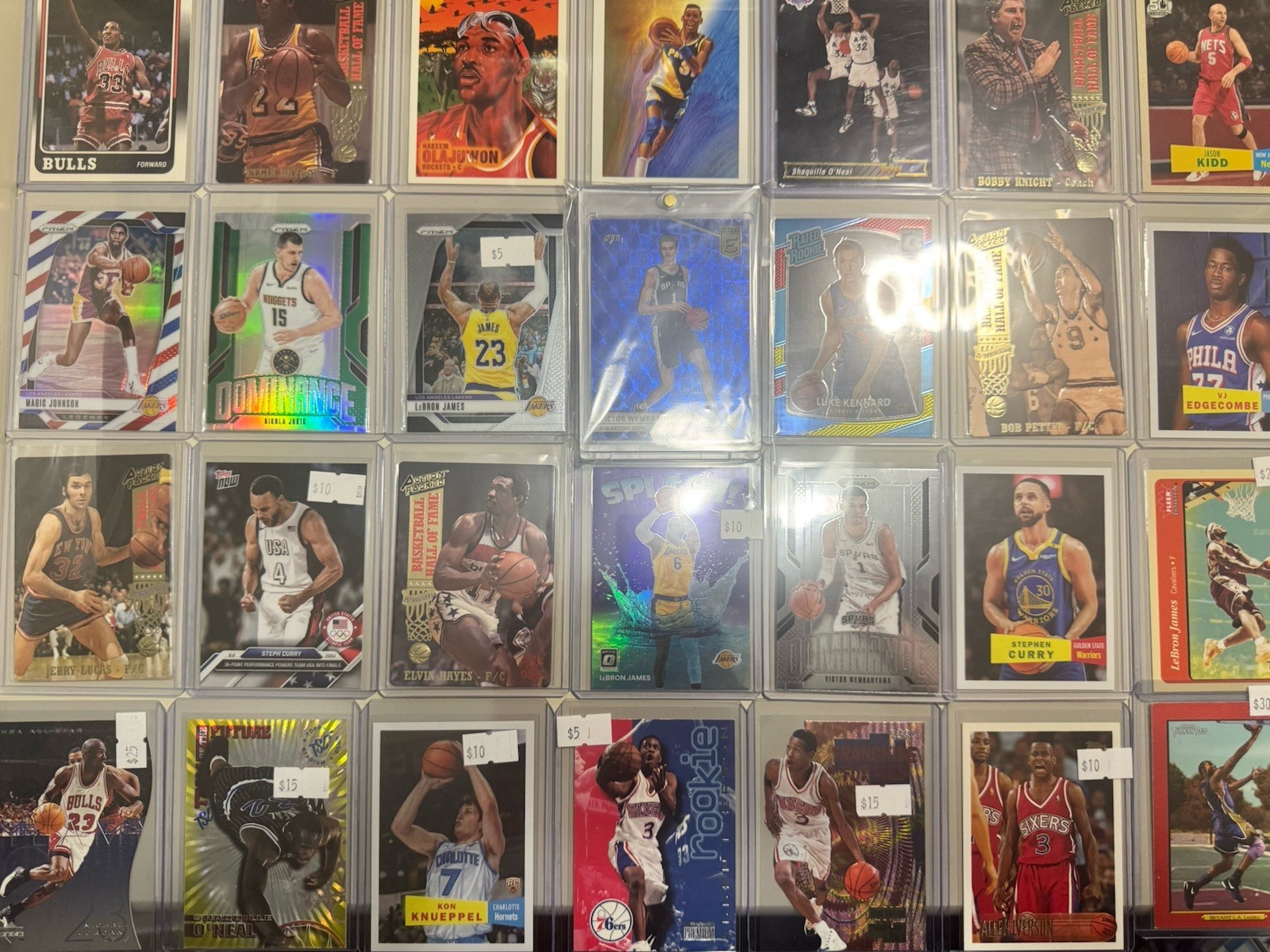
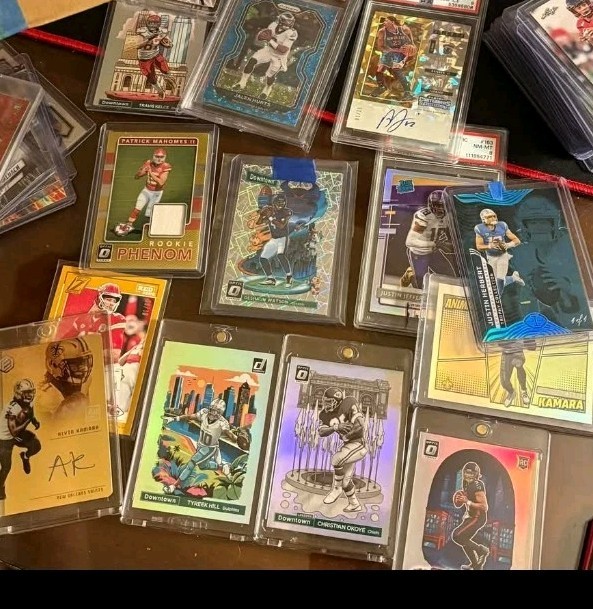


eBay links are affiliate links: JunkPal may earn a commission at no cost to you.
Resale values related to ultra rare
Shop ultra rare on eBay ↗![Espeon [Gold Star] #16](/api/images/junkpal-products/cards/espeon-gold-star-16-pokemon-pop-series-5-card/img0/thumb.webp)
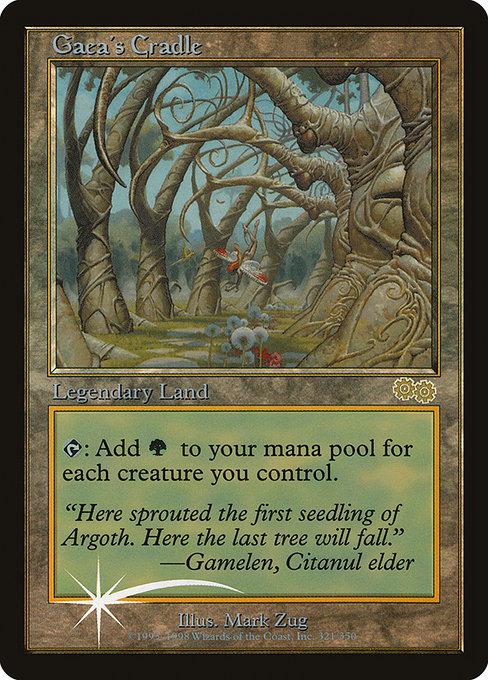
![Duel Link Dragon, the Duel Dragon [Ultra Rare] YCSW-EN012](/api/images/junkpal-products/cards/duel-link-dragon-the-duel-dragon-ultra-rare-ycsw-en012-yugioh-championship-series-card/img0/thumb.webp)
![Summoned Skull [Kid's WB Duelin' Monsters Giveaway] SDY-004](/api/images/junkpal-products/cards/summoned-skull-kid-s-wb-duelin-monsters-giveaway-sdy-004-yugioh-structure-deck-yugi-muto-card/img0/thumb.webp)
JunkPal may earn a commission when you buy through eBay links, at no extra cost to you.
What’s worth the most
Ranked on medians of real closed eBay sales, not asking prices.