What does “trading value” mean?
What it means
Trading value is the current, verifiable market price of a specific collectible trading card. It is not an intrinsic artistic value; it is purely transactional. This value fluctuates based on real-time supply and demand dynamics within the secondary market. The core components determining this value are scarcity (rarity, print run size), condition (grading/wear level), and cultural relevance (the popularity of the player or franchise). A card's trading value is its current realizable cash equivalent, which differs from its retail purchase price.
What it does to price
Condition acts as the most immediate multiplier. A Near Mint/Mint (NM/M) copy can command 2x to 5x the price of a Played (LP) copy. For high-demand rookie cards, a Certified Insert (CIB) copy might fetch 1.5x to 3x the price of a standard loose copy, provided the certification is from a reputable grading company. Scarcity drives exponential increases; a 1/1 parallel insert might sell for 10x to 50x the value of the base card. Conversely, minor centering issues or print defects can drop the value by 20% or more. For example, a base card valued at \$100 might drop to \$75 if it has noticeable edge wear.
How to spot it
Authentication and condition assessment are key. Look for official edition markers (e.g., "Prizm Gold," "Numbered Parallels") printed on the card surface or packaging. Print quality must be scrutinized: check for ink bleed, color registration errors, or off-center cuts. Sellers must provide high-resolution, focused images of the four corners, edges, and the front/back surface. Common pitfalls include misidentifying a common parallel as a rare one, or accepting a card that has been "washed" or artificially cleaned, which destroys its verifiable condition grade.
Buying smart
Paying a premium is justified when the card is a proven, high-demand rookie or a confirmed chase parallel from a top-tier set. If the card is a mid-tier player or a common parallel, the premium must be minimal—a 10-20% markup over the average market price is usually sufficient. A fair deal is one where the asking price is within 10% of the average price found across three different major sales platforms (e.g., eBay sold listings, TCGPlayer, PWCC). If the asking price exceeds 25% of the established market average without a demonstrable, verifiable rarity advantage, the purchase is likely overpaying.
Selling smart
Proving the card's condition and authenticity is the primary driver of realized value. A simple, clear photo showing the card under bright, neutral light, with a ruler or coin placed adjacent to it for scale, is non-negotiable. If the card is graded, the slab/case number must be clearly visible. The single most effective word in a listing description is "Graded" or "PSA 10," as this instantly validates the condition and allows the seller to command the premium associated with third-party verification, often adding 15% to 30% over a raw, ungraded sale.
On eBay right now
Current asking prices from live listings — not sold-comp medians.


eBay links are affiliate links: JunkPal may earn a commission at no cost to you.
Resale values related to trading value
Shop trading value on eBay ↗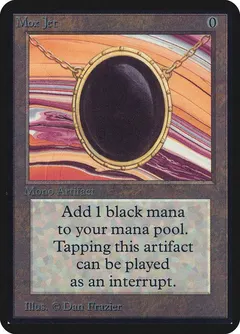
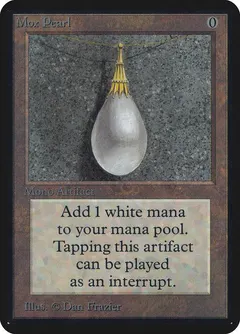
![Illusion's Zorua [Pucchigumi Winner] #L-P](/api/images/junkpal-products/cards/illusion-s-zorua-pucchigumi-winner-l-p-pokemon-japanese-promo-card/img0/thumb.webp)
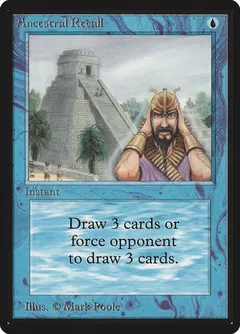
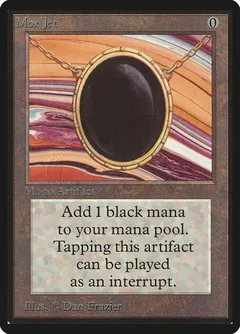


JunkPal may earn a commission when you buy through eBay links, at no extra cost to you.
What’s worth the most
Ranked on medians of real closed eBay sales, not asking prices.