What does “tournament play” mean?
What it means
Tournament play refers to the official, structured competitive use of a trading card within sanctioned events for a specific game, such as Magic: The Gathering or Pokémon TCG. This is distinct from casual play. For collectors and resellers, this designation attaches provenance—a documented history of the card's use in high-stakes environments. The card transitions from being merely a piece of art or game component to a piece of competitive history. The narrative value derived from its participation in recognized events is the core concept.
What it does to price
The inclusion of tournament provenance adds a significant, non-linear premium. A standard, Near Mint (NM) copy of a high-demand card might sell for $100. A copy with verifiable tournament history, especially from a major championship, can easily command 2x to 5x that price, reaching $200–$500 or more, depending on the card's rarity and the prestige of the event. Factors pushing the price up include participation in Tier 1 events or being part of a famously decisive match. Factors pushing it down include unverified claims or participation in low-level, local events with no significant attendance records.
How to spot it
Identifying tournament play requires documentary evidence. Look for official event seals, tournament IDs, or specific event-related sleeves/wrappers if the card was part of a sealed product from that event. Photos provided by the seller must clearly show any tournament-specific markings, such as event stamps or unique deck-list notations if available. A common mistake is confusing "playtested" (used in casual matches) with "tournament play" (used in sanctioned, recorded events). Fakes often involve poorly replicated event stickers or generic "tournament-style" packaging.
Buying smart
Paying a premium for tournament play is justified only when the card is a high-value staple of the game or when the specific event holds significant historical weight (e.g., a World Championship). If the card is a low-rarity, low-value staple, the premium rarely justifies the cost. A fair deal involves the premium being modest relative to the card's base market value—typically, the premium should not exceed 50% of the card's standard market price unless the history is exceptionally rare.
Selling smart
Listing the card with verified tournament provenance immediately separates it from the general market. The listing description must explicitly state the event, date, and level of play. The single most valuable piece of evidence is a clear, high-resolution photo of the card alongside any official documentation (e.g., a tournament bracket or event badge). This documentation transforms the item from a collectible card into a documented piece of sports/game memorabilia, justifying the higher asking price.
On eBay right now
Current asking prices from live listings — not sold-comp medians.


eBay links are affiliate links: JunkPal may earn a commission at no cost to you.
Resale values related to tournament play
Shop tournament play on eBay ↗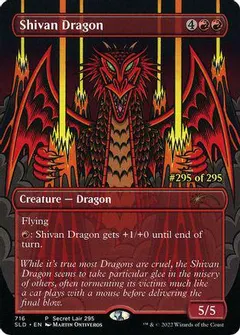

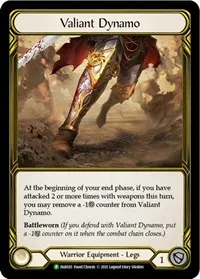

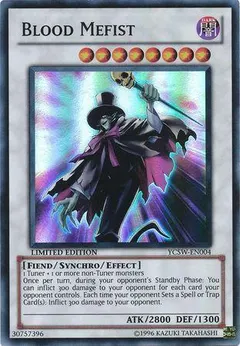


JunkPal may earn a commission when you buy through eBay links, at no extra cost to you.
What’s worth the most
Ranked on medians of real closed eBay sales, not asking prices.