What does “third party grading” mean?
What it means
Third-party grading is the process where an independent entity, not the card manufacturer or major industry players like PSA or Beckett (BGS), authenticates and assigns a numerical grade to a trading card. This process is the equivalent of professional appraisal in other collectibles. While major companies set the market standard, third parties operate on varying levels of reputation and rigor. The core function is to provide a standardized, verifiable condition report that mitigates subjective assessment risk for the buyer.
What it does to price
The impact on price is directly proportional to the reputation of the grading service. A card graded by a highly respected, niche third party might fetch 1.2x to 1.8x the price of the same card ungraded, depending on the card's scarcity. Conversely, a card graded by an unknown or poorly regarded service may sell for less than its loose market value, sometimes only 0.5x to 0.8x. For a mid-tier, non-PSA graded rookie card valued loose at \$100, a reputable third-party grade might push the sale price to \$130-\$160. A low-quality grade can trigger immediate price skepticism.
How to spot it
The tell is the slab itself—the plastic holder containing the card. Look for the company logo and the specific grading scale used on the slab. If the service is unfamiliar, check their grading criteria documentation online. Sellers should provide high-resolution, unedited photos of the card *inside* the slab, focusing on the corners and edges. Common mistakes include using non-standardized holders or submitting cards to services that lack established return policies or verifiable grading standards.
Buying smart
Paying a premium for third-party grading is justifiable only when the card is high-value (over \$500) and the grading service has demonstrable, positive feedback in recent sales data. If the card is low-to-mid tier, the cost of the grade often outweighs the potential return unless the card is extremely rare. A fair deal involves the asking price reflecting the grade’s established market acceptance; if a known third party is being used, the premium should be modest compared to the primary market leaders.
Selling smart
Listing a card with third-party grading immediately separates it from loose inventory. The slab acts as instant verification of authenticity and condition, which is a major selling point. The single most effective element in the listing is a clear, high-resolution photo of the *entire* graded slab, ensuring the grade and the grading company's logo are perfectly legible. This visual proof allows buyers to bypass their own condition assessment, justifying a higher asking price compared to ungraded listings.
On eBay right now
Current asking prices from live listings — not sold-comp medians.


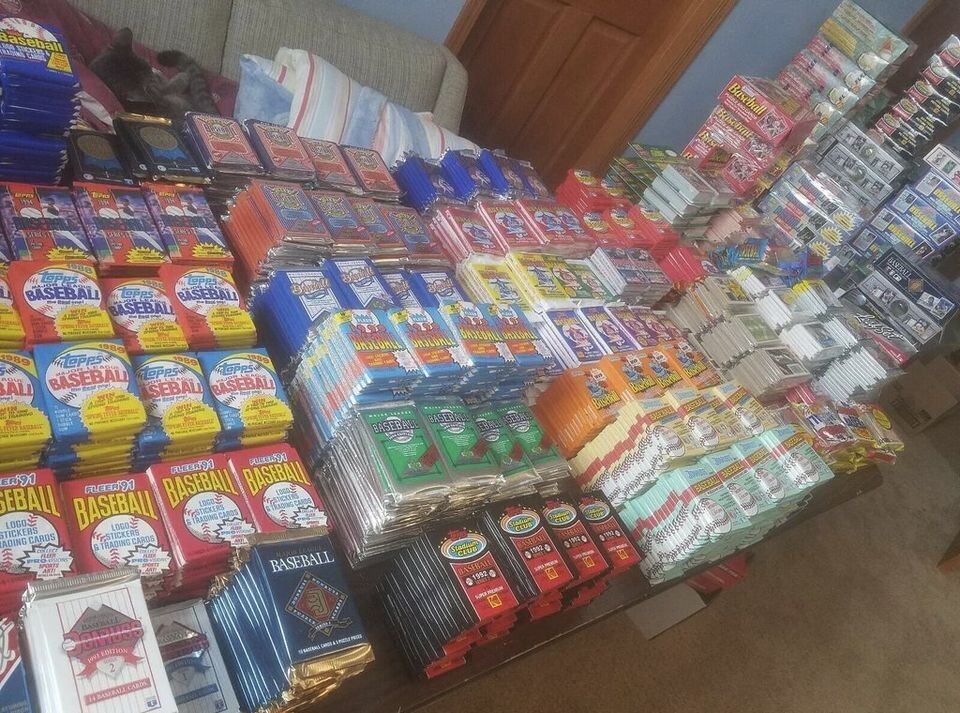


eBay links are affiliate links: JunkPal may earn a commission at no cost to you.
Resale values related to third party grading
Shop third party grading on eBay ↗




![Lapras [Tekno] #131](/api/images/junkpal-products/cards/lapras-tekno-131-pokemon-2000-topps-chrome-card/img0/thumb.webp)
JunkPal may earn a commission when you buy through eBay links, at no extra cost to you.
What’s worth the most
Ranked on medians of real closed eBay sales, not asking prices.