What does “texture” mean?
What it means
Texture refers to the tactile and visual surface quality of a trading card. This encompasses the card stock's finish—matte, glossy, or semi-gloss—and any specialized printing techniques like embossing, spot UV coating, or laser engraving. For the reseller, texture is a physical characteristic, not just a visual one. It is a measurable component of the card's overall condition (often tied to PSA/BGS grading criteria). A premium texture indicates manufacturing quality; a degraded texture suggests handling or poor storage.
What it does to price
Texture is a direct driver of premium pricing, especially on modern, high-end releases. A card featuring a deliberate, high-quality texture (e.g., holographic foil embossing) can command a 20% to 50% price increase over a standard print of the same card, assuming all other factors (centering, corners) are equal. Conversely, texture damage—such as peeling, cracking of a foil layer, or uneven coating—can cause a steep drop. For example, a $50 standard print card with a flawless, premium texture might sell for $65, while the same card with noticeable foil lifting might drop to $35.
How to spot it
Spotting texture requires close inspection, ideally under strong, direct light. Check for uniformity across the card surface. Glossy finishes should reflect light evenly; matte finishes should absorb it consistently. Look for specific manufacturing cues: embossed elements should feel raised, not merely printed. Sellers should provide high-resolution macro photos focused specifically on the card surface, not just the front art. Common issues include "print bleed" (where ink spreads unevenly, affecting perceived texture) or "surface abrasion," which looks like fine scratching across the finish.
Buying smart
Paying a premium for texture is justified when the card is a known, limited-edition chase card where the texture is part of the advertised gimmick (e.g., "textured parallel"). If the texture is merely a standard, low-cost gloss finish, the premium is likely inflated. A fair deal involves the premium price being directly proportional to the *quality* and *intentionality* of the texture. If a card is advertised as having a "premium texture," but the photo shows dull, flat printing, the price is too high.
Selling smart
Proving the quality of the texture in a listing immediately justifies a higher asking price. The single most effective tool is a close-up, well-lit macro photograph specifically capturing the texture detail—not just the face of the card. Use descriptive language: "Crisp, uniform matte finish," or "Deep, vibrant spot UV coating." This shifts the card from being a generic item to a specialized collectible, allowing the seller to capture the premium associated with superior manufacturing execution.
On eBay right now
Current asking prices from live listings — not sold-comp medians.

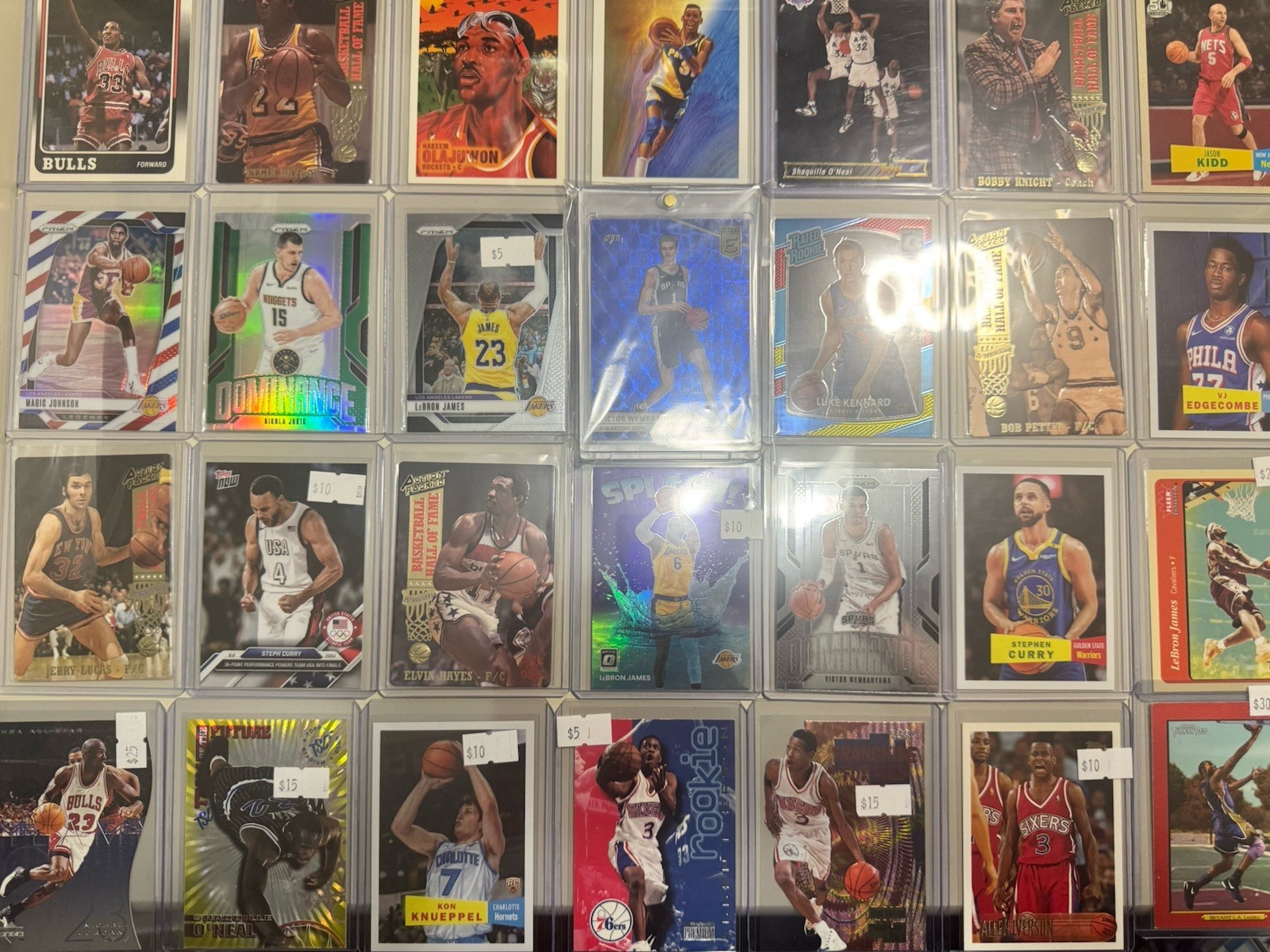
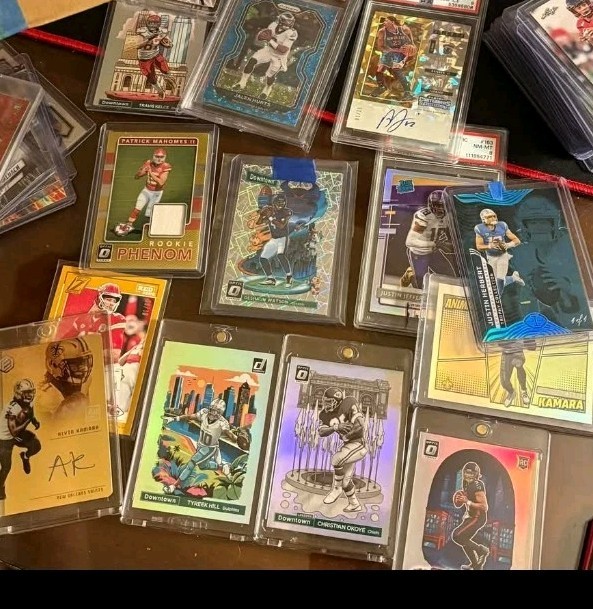

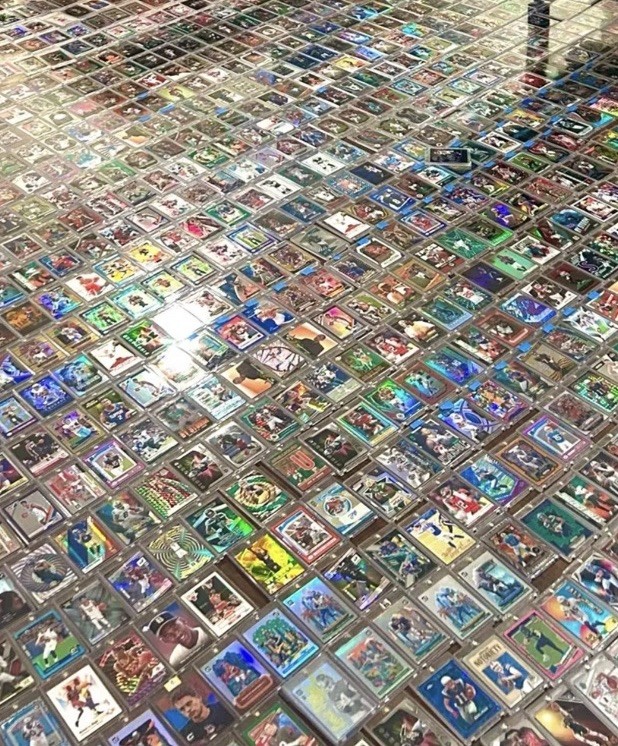

eBay links are affiliate links: JunkPal may earn a commission at no cost to you.
Resale values related to texture
Shop texture on eBay ↗
![Voltorb [Tekno] #100](/api/images/junkpal-products/cards/voltorb-tekno-100-pokemon-2000-topps-chrome-card/img0/thumb.webp)


JunkPal may earn a commission when you buy through eBay links, at no extra cost to you.
What’s worth the most
Ranked on medians of real closed eBay sales, not asking prices.