What does TCG stand for?
What it means
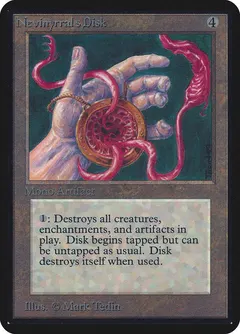
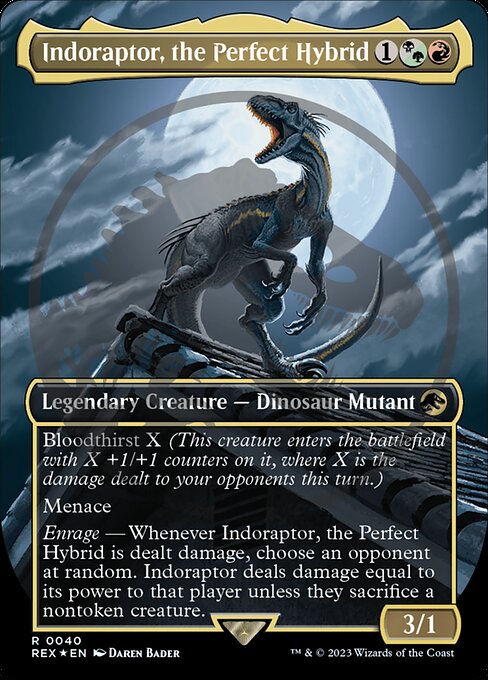
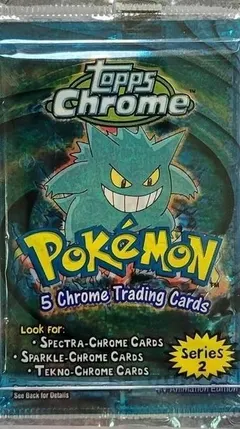
TCG stands for Trading Card Game. This refers to the entire genre of collectible card games, not just a single game. Examples include Pokémon, Magic: The Gathering (MTG), and Yu-Gi-Oh!. In the collecting context, TCG is a broad category. Market value is entirely dependent on the specific game title and the individual set or expansion within that game. A card from a major, established TCG has a different market profile than a card from a smaller, niche TCG.
What it does to price
The specific TCG acts as the primary market filter. A card from a top-tier TCG like Pokémon or MTG generally commands a larger, more consistent buyer pool, supporting higher ceilings for rare cards. A common, low-tier TCG might have a smaller market, meaning high-grade singles might sit longer or trade at lower multiples. For a highly sought-after, low-print run card in a major TCG, a graded copy (PSA 10 equivalent) can fetch 5x to 15x the price of a near-mint ungraded copy. A common error card in a niche TCG might sell for $50, while a common card in a major TCG might sell for $1.
How to spot it
Identification requires confirming the exact game and set. Check the set symbol or collector number printed on the card border or bottom corner. For MTG, look at the set abbreviation (e.g., "M13"). For Pokémon, verify the expansion symbol. Sellers must provide high-resolution photos of the front, back, and any visible damage points. Common issues include misrepresenting the set (selling a reprint as a first edition) or failing to disclose minor edge wear, which drastically impacts grading potential.
Buying smart
Paying a premium is justified when the card is a known "chase" or "staple" card within a high-demand TCG, and the condition is verified. If a card is listed as "Near Mint" but the seller provides blurry photos, the premium is not warranted. A fair deal involves the asking price aligning with recent sales data for that specific card/set/grade combination. If a card is from a TCG with a very small, inactive collector base, the premium should be minimal unless the card is an authenticated, verifiable error.
Selling smart
Listing must specify the exact TCG, the expansion set, and the card number. This specificity immediately qualifies the listing for the correct buyer segment. The single most valuable piece of evidence is a clear, centered photo showing the card's full surface, especially if it is graded or near-mint. If selling an ungraded card, a photo showing the card held up next to a known object (like a coin or ruler) helps establish scale and condition context, which prevents lowball offers based on perceived size or quality.
On eBay right now
Current asking prices from live listings — not sold-comp medians.
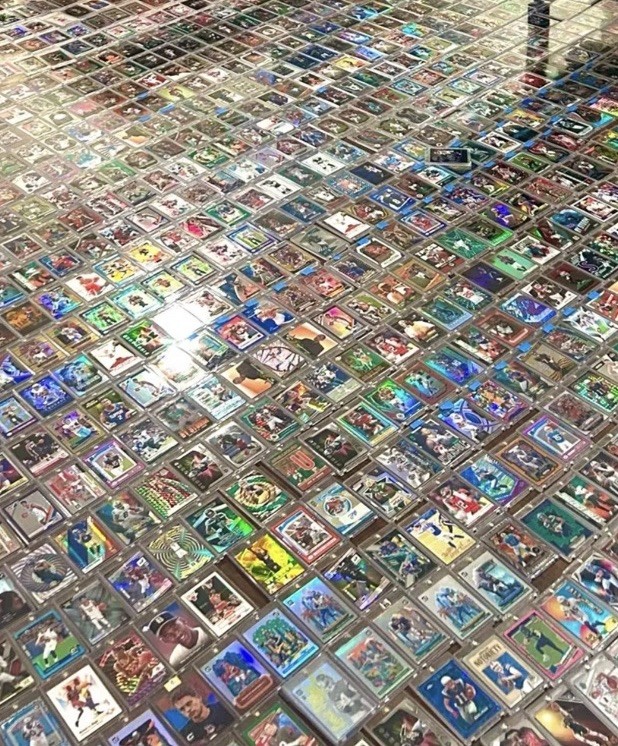

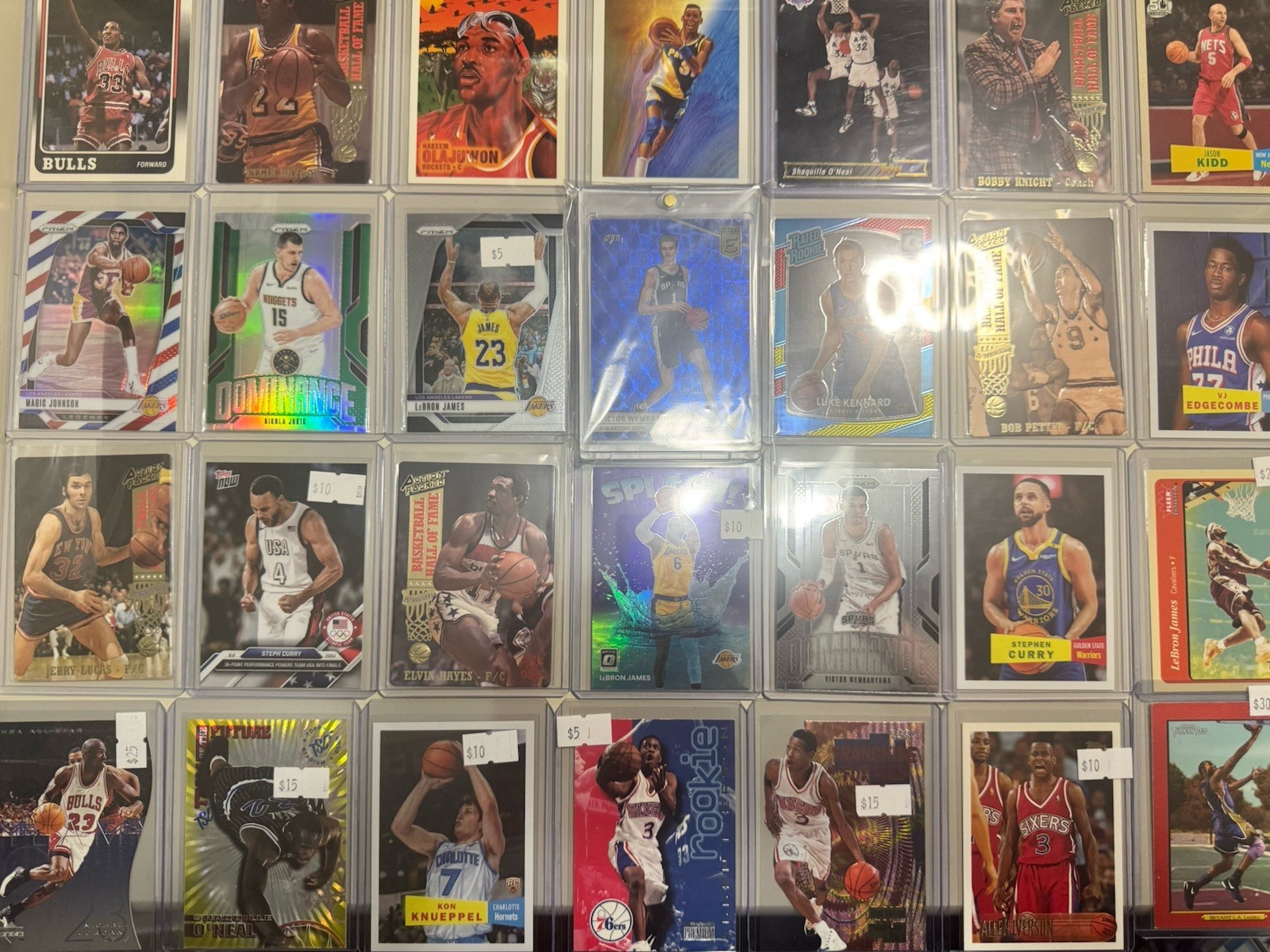
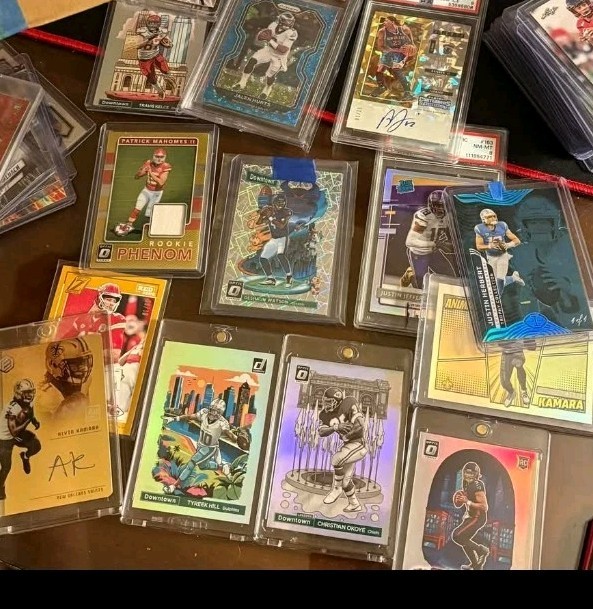


eBay links are affiliate links: JunkPal may earn a commission at no cost to you.
Resale values related to TCG
Shop TCG on eBay ↗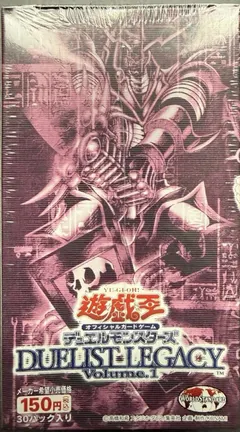
![Chansey [Sparkle] #113](/api/images/junkpal-products/cards/chansey-sparkle-113-pokemon-2000-topps-chrome-card/img0/thumb.webp)
![Mewtwo [Sparkle] #150](/api/images/junkpal-products/cards/mewtwo-sparkle-150-pokemon-2000-topps-chrome-card/img0/thumb.webp)


JunkPal may earn a commission when you buy through eBay links, at no extra cost to you.
What’s worth the most
Ranked on medians of real closed eBay sales, not asking prices.