What does “synergy” mean?
What it means
Synergy, in trading card contexts, describes the multiplicative advantage gained when two or more cards interact to produce an effect greater than the sum of their individual abilities. It is a functional, strategic concept, not a physical characteristic of a card. Mainstream equivalent: Gameplay compatibility or combo potential. In competitive play, synergy defines an "archetype"—a specific, powerful strategy built around interlocking card functions. For collectors, this translates to recognizing which cards are foundational pieces of a known, powerful engine.
What it does to price
Synergy drives value through demand concentration. Cards central to dominant, meta-defining synergies see significant price inflation. A core synergy piece might command a 2x to 5x multiplier over its standalone market value if the deck archetype is currently dominant. Conversely, a card with high individual power but poor synergy within current popular builds may trade at a discount, even if its print quality is perfect. For example, a specific utility card that enables a top-tier combo might trade at $150, whereas the same card used in a niche, non-synergistic deck might sell for $40.
How to spot it
Spotting synergy requires knowledge of the current game environment, not just the card itself. Look for keywords or mechanics that explicitly reference interaction: "when X happens, Y triggers," or cards that require specific resource states to activate. Sellers should provide context. Ask for the decklist or mention the archetype the card belongs to. Common mistakes involve misidentifying a card's role; a card that *could* fit a synergy is not the same as a card that *is* integral to one. Fakes are usually identifiable by print quality, but a "synergy fake" is often a legitimate card being misrepresented as part of a powerful, proven build.
Buying smart
Paying a premium for synergy is justified only when the archetype is demonstrably strong in current competitive play or is highly valued by a specific, active collector community. If the synergy is theoretical or based on an outdated game state, the premium is speculative risk. A fair deal involves comparing the price of the card *in* the synergy deck versus its price *outside* of it. If the premium is less than 2x the standalone price, it is often a good buy. If the premium exceeds 5x, the buyer must be certain the archetype will remain relevant.
Selling smart
Proving a card's role in a powerful synergy drastically increases perceived value. Listings must move beyond simple card identification. The single most effective addition is a clear, concise statement naming the archetype (e.g., "Core piece for [Archetype Name] build"). If possible, include a photo of the card alongside a relevant, high-tier decklist snippet. This contextualization immediately signals to informed buyers that the card is not just a collectible, but a functional component of a high-demand system, justifying a higher asking price.
On eBay right now
Current asking prices from live listings — not sold-comp medians.


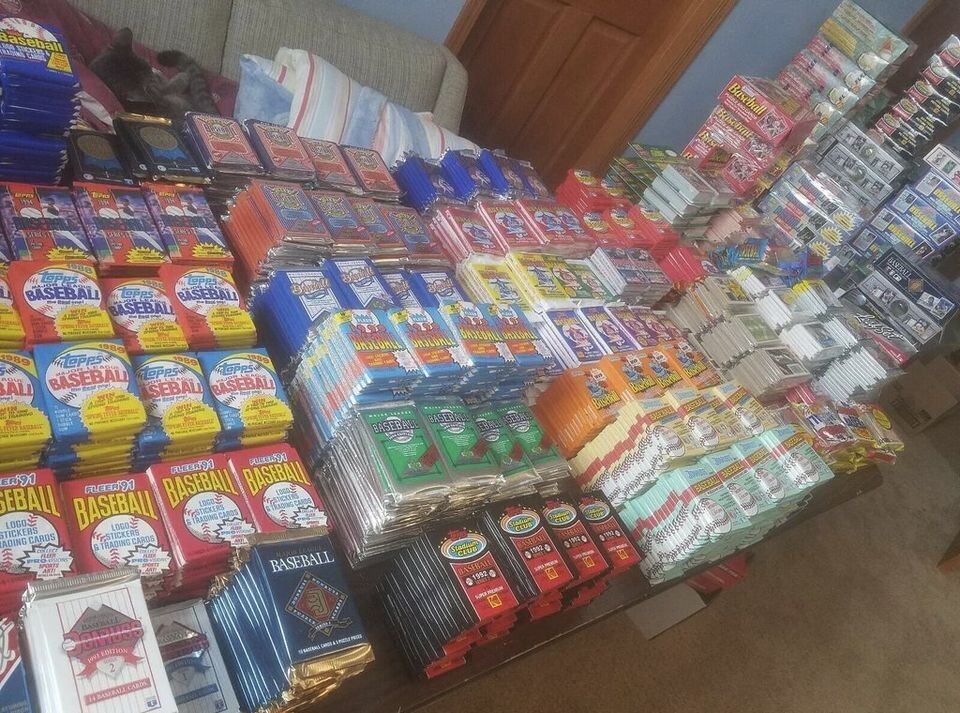


eBay links are affiliate links: JunkPal may earn a commission at no cost to you.
Resale values related to synergy
Shop synergy on eBay ↗

![Charizard [Box Topper] #S1](/api/images/junkpal-products/cards/charizard-box-topper-s1-pokemon-legendary-collection-card/img0/thumb.webp)

![Eevee [Sparkle] #133](/api/images/junkpal-products/cards/eevee-sparkle-133-pokemon-2000-topps-chrome-card/img0/thumb.webp)


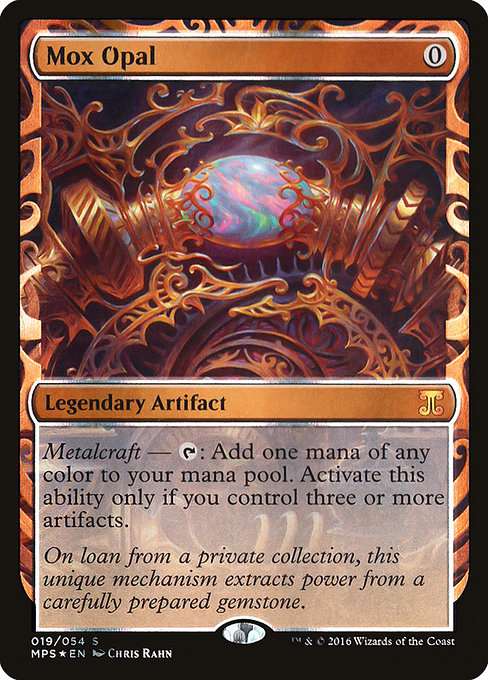
JunkPal may earn a commission when you buy through eBay links, at no extra cost to you.
What’s worth the most
Ranked on medians of real closed eBay sales, not asking prices.