What does “surface scratch” mean?
What it means
A surface scratch is a visible abrasion or mark on the printed face of a trading card. This damage occurs on the card's main surface, separate from edge wear, corner dings, or print defects. It is not a crease or a fold. These marks are typically caused by friction during handling, poor storage conditions (e.g., rubbing against other cards), or transit damage. In grading terms, surface scratches are a primary determinant of a card's visual condition, often falling under "Surface" or "Print Quality" criteria.
What it does to price
The presence of surface scratches introduces a direct downward pressure on value. The severity dictates the discount. Minor, hairline scratches that are barely visible under normal lighting may result in a 10-20% reduction from a perfect copy's loose market value. Moderate scratches, those clearly visible when held up to light, typically incur a 30-50% discount. Deep gouges or extensive scratching can drop the card's value by 60% or more, effectively rendering it a low-grade piece. For instance, a $500 pristine card might sell for $300 with noticeable surface wear.
How to spot it
Scratches are best identified under direct, bright, angled light, as they catch shadows that reveal the abrasion. Look closely at the printed artwork, especially over large, flat areas of color. Sellers must provide high-resolution, close-up photographs of the card's face. Common mistakes include confusing a print artifact (a flaw in the printing process) with a physical scratch. A genuine scratch will disrupt the ink layer, whereas a print artifact is part of the card's original design or manufacturing flaw.
Buying smart
Paying a premium for a scratched card is only justifiable if the card is otherwise flawless (perfect centering, pristine corners) and the scratch is extremely minor—a single, hairline mark that is difficult to spot without magnification. If the scratch is large or compromises a key image area, the discount is warranted. A fair deal involves a price reflecting the visible damage; if the seller claims "Near Mint" but the card shows clear surface wear, the price is inflated.
Selling smart
When listing a card with surface scratches, disclosure is mandatory for a quick sale. Do not attempt to hide the damage. Use clear, well-lit photos that specifically highlight the scratch area. In the description, use precise language: "Minor surface abrasion visible on upper-left quadrant." This transparency manages buyer expectations and prevents returns or disputes, allowing the seller to command a fair price based on the card's true condition.
On eBay right now
Current asking prices from live listings — not sold-comp medians.



eBay links are affiliate links: JunkPal may earn a commission at no cost to you.
Resale values related to surface scratch
Shop surface scratch on eBay ↗
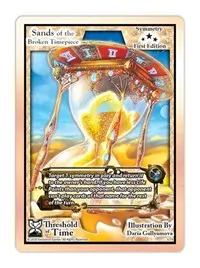
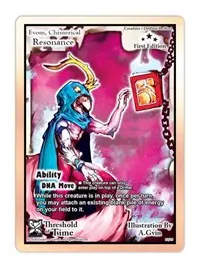





JunkPal may earn a commission when you buy through eBay links, at no extra cost to you.
What’s worth the most
Ranked on medians of real closed eBay sales, not asking prices.