What does “surface damage” mean?
What it means
Surface damage is any visible imperfection on the card's printed surface or substrate that compromises its aesthetic perfection. This goes beyond standard wear like edge chipping; it includes print defects, abrasions, scuffs, scratches, ink blemishes, and surface discoloration. While "corner nicks" are technically edge damage, severe surface abrasions are distinct from corner wear. For grading purposes, surface damage is a primary determinant of the card's grade, often falling under "surface flaws" in professional grading standards. The mainstream equivalent is cosmetic defect.
What it does to price
Surface damage directly reduces market value. The reduction is non-linear; minor scuffs might equate to a 10-20% discount from a pristine example. Moderate abrasions or visible print lines can drop value by 30-50%. Severe, pervasive surface wear can reduce value by 70% or more, potentially moving a card from a high-grade collectible to a low-grade lot. For example, a mint example of a popular chase card might sell for $500 loose; the same card with noticeable surface scratching might sell for $250 or less.
How to spot it
Inspection requires bright, direct light, ideally angled to catch surface irregularities. Look for print registration issues—where colors are slightly misaligned—as these count as surface flaws. Scratches are linear disruptions across the card face. Scuffs are dull, localized areas of rubbing. Sellers should provide high-resolution photos showing the front and back under direct light. A common mistake is confusing light printing artifacts (part of the card's design) with actual damage. Genuine surface abrasions are physical disruptions of the card's protective layer or ink.
Buying smart
Paying a premium for a card with known, moderate surface damage is rarely justified unless the card is extremely rare or holds significant investment potential despite its flaws. If the damage is minor (e.g., a single hairline scratch on an otherwise perfect card), the discount should be proportional to the visible flaw. A fair deal requires the asking price to reflect the grade reduction. If a card is heavily damaged, it is only worth buying if the card itself is otherwise irreplaceable or part of a high-value, damaged-condition lot.
Selling smart
Transparency regarding surface condition is mandatory for maximizing sale price. Hiding surface damage leads to buyer disputes and negative feedback. The single most effective action is providing a clear, high-resolution photograph focused specifically on the damage area. Labeling the damage explicitly (e.g., "Light surface scuff on upper left quadrant") allows the buyer to self-assess the grade reduction, enabling them to negotiate a fair price rather than assuming perfection. Honesty converts potential disputes into informed transactions.
On eBay right now
Current asking prices from live listings — not sold-comp medians.



eBay links are affiliate links: JunkPal may earn a commission at no cost to you.
Resale values related to surface damage
Shop surface damage on eBay ↗

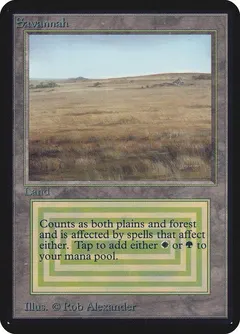
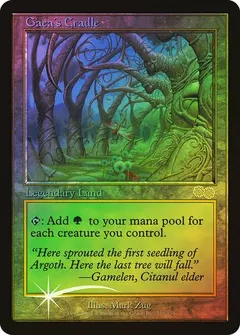
![Gengar [Sparkle] #94](/api/images/junkpal-products/cards/gengar-sparkle-94-pokemon-2000-topps-chrome-card/img0/thumb.webp)


JunkPal may earn a commission when you buy through eBay links, at no extra cost to you.
What’s worth the most
Ranked on medians of real closed eBay sales, not asking prices.