What does “supply and demand” mean?
What it means
Supply and demand is the core mechanism determining a trading card's market value. It is the economic relationship between how many copies of a card exist (supply) and how many people want to buy it (demand). In the card market, high demand coupled with low supply drives prices up. Low demand or high availability drives prices down. This principle applies universally, but in collecting, scarcity is often manufactured through limited print runs, specific chase variations (like rare parallels), or accidental production errors.
What it does to price
The relationship creates concrete price tiers. A card with extreme scarcity (e.g., a 1/1 prototype or a very low-numbered parallel) can command prices exponentially higher than a common base card. For instance, a standard, common base card might sell for \$1.00 to \$3.00. If that same card exists in a highly sought-after, low-supply parallel (e.g., a Gold Refractor), the price can easily multiply by 5x to 20x, reaching \$5.00 to \$60.00 or more, depending on the card's baseline desirability. Conversely, if a card is widely available and has no special features, its price will hover near the lowest end of the spectrum.
How to spot it
Identifying supply and demand requires examining production details. Look for set numbering, rarity designations (e.g., "Prizm," "Gold," "Insert"), and card variations. Low supply is often indicated by low print runs, such as cards marked "1/10" or "1/50." High demand is signaled by heavy collector focus on that specific set or player. When assessing condition, look for print registration errors or die-cuts; these errors create artificial scarcity. Always request high-resolution photos of the card's edges and corners to verify authenticity and condition.
Buying smart
Paying a premium is justified when the scarcity is verifiable and the demand is established. This applies to certified, low-numbered chase cards or verified error cards. If a card is a common reprint or a widely available base card, paying more than the current median sale price is usually poor investment. A fair deal means the asking price is within 10-20% of the average recent sales data for that specific card/condition combination on major platforms. If the premium is based solely on hype without verifiable scarcity, the risk is high.
Selling smart
Proving the card's scarcity or condition directly translates to higher realized value. For high-demand cards, third-party grading (PSA, BGS) is the ultimate proof of condition, instantly justifying a premium. For rare variations, providing clear photos of the specific edition marker or serial number is crucial. The single most effective word in a listing is "Authenticated" or "Graded," as this shifts the transaction from a speculative purchase to a verified asset acquisition, allowing the seller to capture the premium associated with guaranteed rarity.
On eBay right now
Current asking prices from live listings — not sold-comp medians.


eBay links are affiliate links: JunkPal may earn a commission at no cost to you.
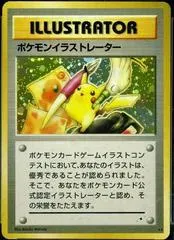
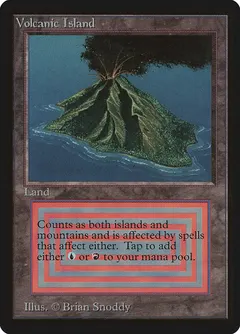
Resale values related to supply and demand
Shop supply and demand on eBay ↗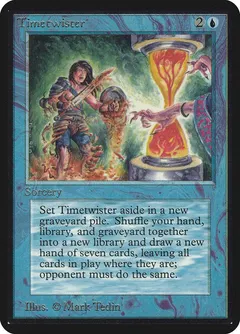


![Spikey-Eared Pichu [Televi-Kun Winner]](/api/images/junkpal-products/cards/spikey-eared-pichu-televi-kun-winner-pokemon-japanese-promo-card/img0/thumb.webp)

![Tropical Wind [Tropical Mega Battle]](/api/images/junkpal-products/cards/tropical-wind-tropical-mega-battle-pokemon-japanese-promo-card/img0/thumb.webp)
JunkPal may earn a commission when you buy through eBay links, at no extra cost to you.
What’s worth the most
Ranked on medians of real closed eBay sales, not asking prices.