What does “staple” mean?
What it means
A staple card is a mass-produced, consistently desirable card within a specific collecting segment—like a top-tier player from a major league or a core character from a popular IP. It is not a rare, low-print-run "chase" card. Its value is derived from sustained, broad demand rather than sudden scarcity. In essence, it is the reliable workhorse of a collection. Staples form the necessary bulk of a complete set; without them, the set is incomplete, regardless of how many high-end chase cards are present.
What it does to price
Staples maintain a predictable price floor. A common, modern staple card, graded PSA 9, typically trades in the \$15 to \$40 range, depending on the specific market segment. A raw, ungraded copy of a highly sought-after staple might sell for 50-75% of its graded equivalent. Price increases are gradual, driven by overall market health rather than a single event. A drop in a staple's price usually occurs during broad market corrections, where collectors pause spending on non-essential inventory.
How to spot it
Staples are usually identifiable by their high print run and consistent inclusion across multiple sets or years. Look for cards featuring established, non-transient figures. Do not confuse a staple with a "base" card; a base card is merely common. A staple is a base card that has achieved cultural or statistical significance within its niche. Sellers should provide high-resolution images showing the card's edges and corners, especially for older staples, to confirm centering. Common issues include print lines or minor surface wear that, while not destroying value, will pull the card out of the premium pricing tier.
Buying smart
Paying a premium for a staple is justified when acquiring it in high-grade condition (PSA 9 or higher) to complete a display-worthy set. For inventory building, buying raw, mid-grade staples is the efficient route, as the margin is built on volume. Avoid paying excessive premiums for staples unless the card is entering a known peak demand cycle (e.g., immediately following a major championship win for the featured athlete). A fair deal sees the raw price reflecting the card's baseline market value, with a small buffer for condition risk.
Selling smart
Listing a staple with clear, high-quality photos of both the front and back is mandatory. The single most effective step is providing a clear description of the card's condition relative to its grade potential (e.g., "Near Mint, corners sharp"). If the card has been professionally graded, the slab image must be the primary photo. For ungraded staples, explicitly stating "Raw" manages buyer expectations, preventing disputes over condition that erode profit.
On eBay right now
Current asking prices from live listings — not sold-comp medians.



eBay links are affiliate links: JunkPal may earn a commission at no cost to you.
Resale values related to staple
Shop staple on eBay ↗
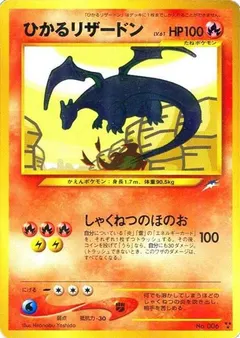

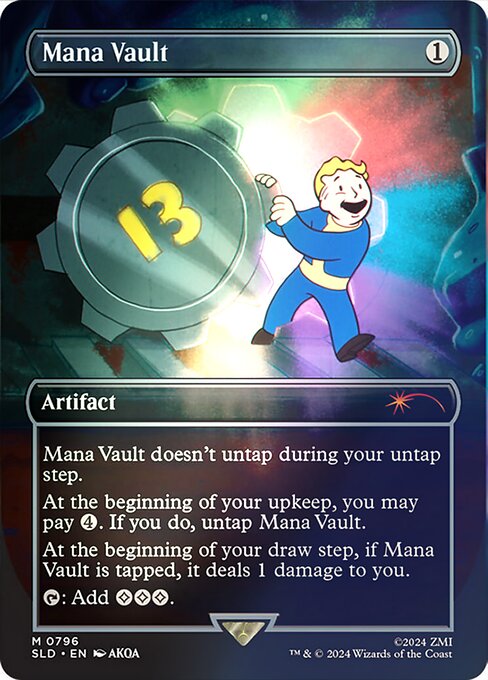
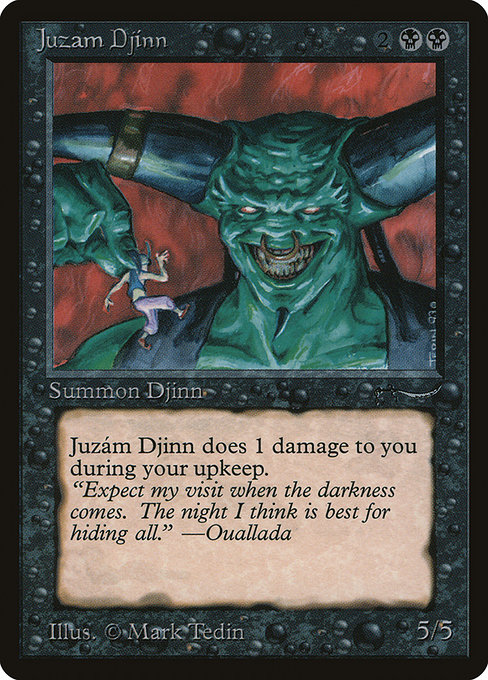
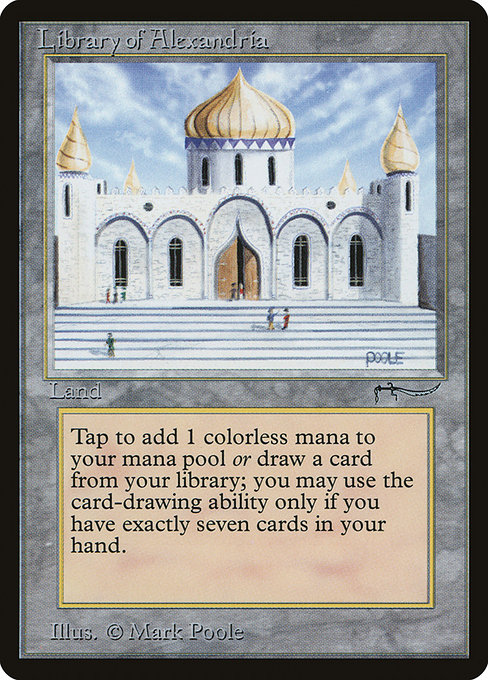

JunkPal may earn a commission when you buy through eBay links, at no extra cost to you.
What’s worth the most
Ranked on medians of real closed eBay sales, not asking prices.