What does “special print” mean?
What it means
A special print is a trading card produced in a limited quantity, distinct from the standard, mass-market release of a set. This designation signifies intentional scarcity. Variations can manifest as different card stock thickness, unique foil patterns (e.g., a specific parallel or "gold chrome" treatment), exclusive artwork not found in the base set, or official numbering indicating a low production run (e.g., /50). The mainstream equivalent is a "limited edition" or "variant." The key differentiator is that the production run was deliberately restricted, not merely a manufacturing error.
What it does to price
Scarcity directly translates to a price premium. A standard, common card might sell loose for \$1.00. A special print version of the same card, depending on its rarity tier, can fetch 3x to 10x that value. For example, a standard base card might sell for \$1.00, while a numbered, special print version might sell for \$5.00 to \$10.00, assuming comparable condition. High-end special prints (e.g., numbered 1/1 or ultra-rare parallels) can see multipliers exceeding 50x. Factors pushing the price up include lower print runs and higher perceived aesthetic quality.
How to spot it
Identifying a special print requires examining production details. Look for official set identifiers that denote a parallel or special run (e.g., "Prizm Gold," "Etched," or specific set letter codes). Check the card surface for unique texture or holographic reflectivity that differs from the main run. If numbering is present, verify the total quantity listed (e.g., /100). Sellers must provide high-resolution images showing the full card surface, especially edges and corners, to confirm the print characteristics. Common issues include misidentified promotional cards being listed as official special prints, or simple manufacturing flaws being mistaken for intentional variants.
Buying smart
Paying a premium for a special print is justified when the card's scarcity is verifiable and the print itself is highly sought after within the collecting community (e.g., a rookie card special print). It is not worth the premium if the "special print" status is ambiguous or if the card is a low-tier chase card with minimal market demand. A fair deal requires the asking price to be within 15-25% of comparable, verified sales data for that specific print run. If the seller cannot provide documentation or clear evidence of the print run details, the premium should be heavily discounted.
Selling smart
Listing a special print requires upfront verification. The listing description must explicitly state the exact print designation (e.g., "Numbered Parallel /50"). The single most valuable asset in a listing is a close-up photograph clearly displaying the numbering or the unique print identifier. This visual proof immediately validates the scarcity claim, allowing the seller to command the appropriate premium. Vague descriptions or photos that obscure the variant details force the buyer to assume the lowest common denominator value.
On eBay right now
Current asking prices from live listings — not sold-comp medians.



eBay links are affiliate links: JunkPal may earn a commission at no cost to you.
Resale values related to special print
Shop special print on eBay ↗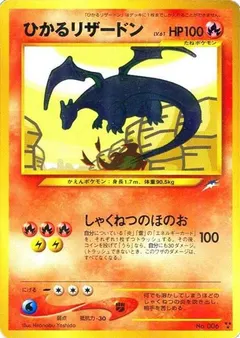
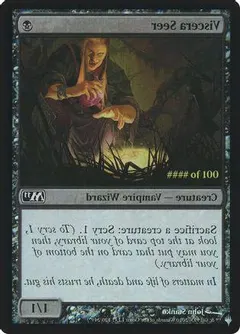
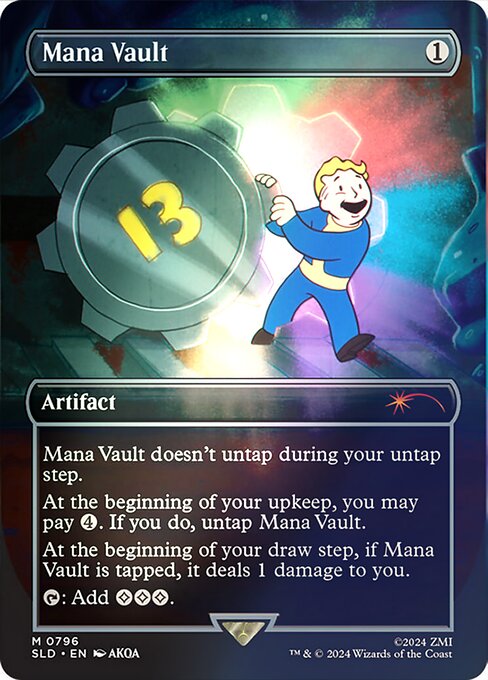
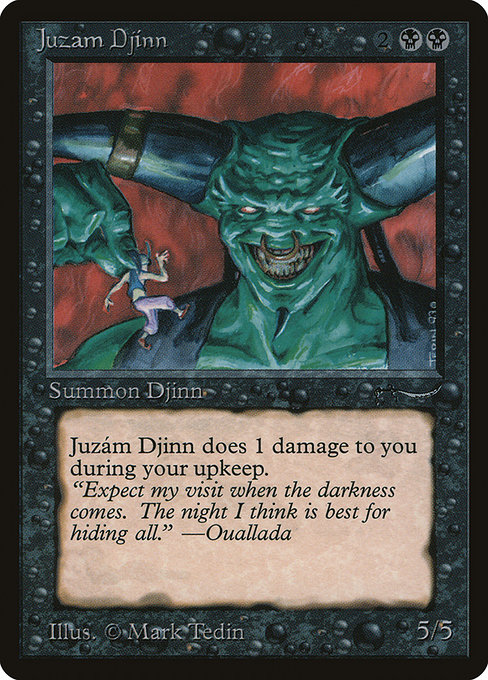
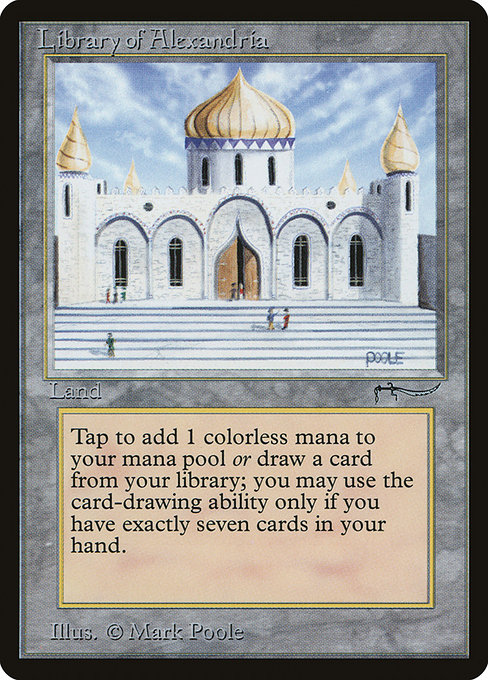
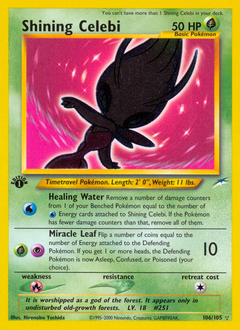
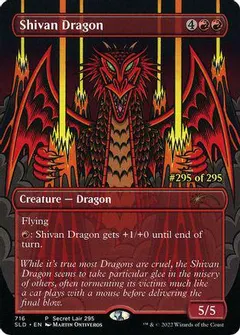

JunkPal may earn a commission when you buy through eBay links, at no extra cost to you.
What’s worth the most
Ranked on medians of real closed eBay sales, not asking prices.