What does “sleeved” mean?
What it means
"Sleeved" means a trading card has been placed within a clear, protective plastic enclosure. This is not merely a casual covering; it is a standard preservation measure. The plastic is typically polypropylene or polyethylene. The function is to create a barrier against external contaminants—dust, oils from fingers, and minor surface abrasions. In the collecting sphere, this is equivalent to basic protective packaging. Sleeving prevents the most common forms of handling damage, which are the primary drivers of condition degradation.
What it does to price
Sleeving itself does not create intrinsic value, but it prevents depreciation. A card that is unsleeved and shows minor handling wear will sell for less than an identical, properly sleeved version. For common or mid-tier cards, the price difference due to sleeving alone might be negligible, perhaps $1–$3. However, for high-value or graded cards, the difference is substantial. A high-grade, authenticated card that is professionally sleeved and stored in a rigid top-loader will command a premium that can be 10–25% higher than the same card presented loose, as the packaging implies professional care and handling history.
How to spot it
The tell is simple: a visible, clear plastic border around the card edges. Examine the edges for any signs of plastic discoloration or residue, which indicates poor-quality, non-archival sleeves that may off-gas chemicals. Sellers should be able to provide a photo clearly showing the card within the sleeve. A common mistake is using cheap, brittle sleeves that yellow quickly. Conversely, some sellers might claim a card is "sleeved" when it is merely resting on a piece of plastic sheeting; this is not true sleeving.
Buying smart
Paying a premium for sleeving is worthwhile when the card is rare, high-value, or fragile. If a card is a low-tier, common pull, the extra cost for proper sleeving is often not justified unless the seller is offering a bulk lot where the protection is necessary for the entire set. A fair deal involves the seller confirming the sleeve is archival quality (acid-free). If a card is being sold ungraded, a reasonable price includes the expectation that it is in a sleeve or top-loader, as this is standard practice for serious transactions.
Selling smart
When listing a card, explicitly stating "Sleeved" or "In Top Loader" immediately elevates the perceived condition and professionalism of the listing. This signals to buyers that the seller understands preservation standards. The single most effective addition to a listing photo is a clear, well-lit shot of the card *inside* its protective sleeve or top-loader. This visual proof justifies a higher asking price by demonstrating proactive care and minimizing buyer risk regarding handling damage.
On eBay right now
Current asking prices from live listings — not sold-comp medians.
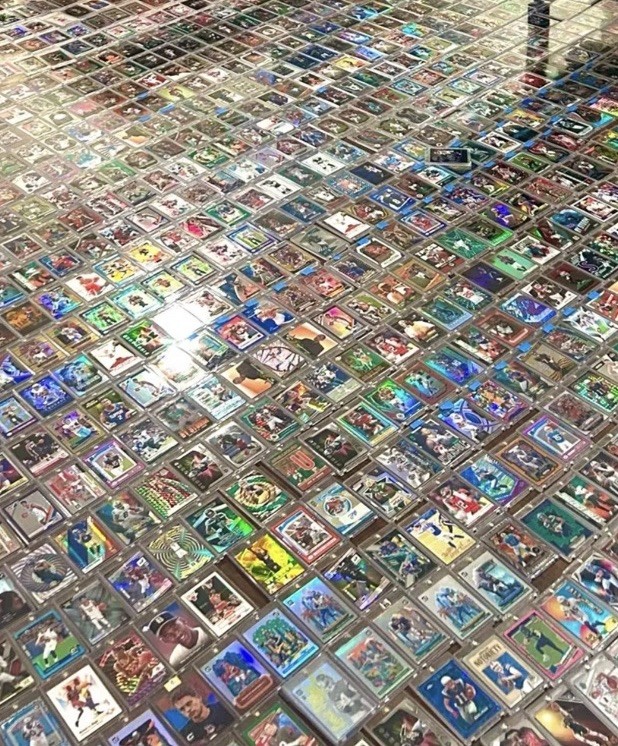
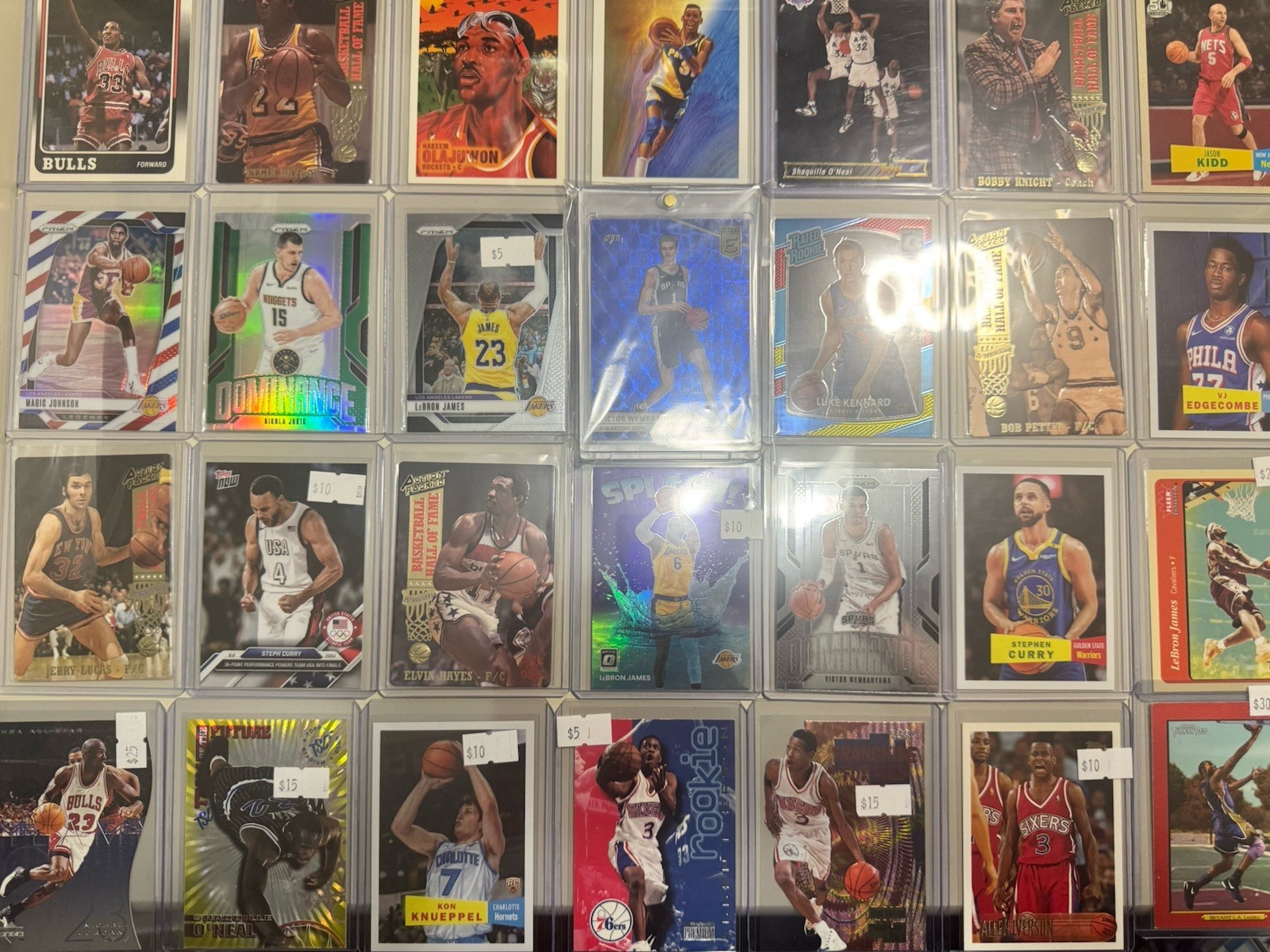

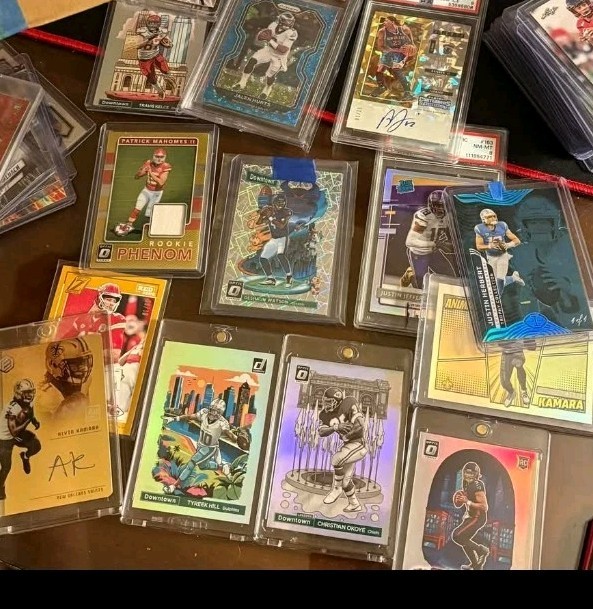


eBay links are affiliate links: JunkPal may earn a commission at no cost to you.
Resale values related to sleeved
Shop sleeved on eBay ↗
![Blackwing - Vayu The Emblem Of Honor [Misprint] ANPR-EN005](/api/images/junkpal-products/cards/blackwing-vayu-the-emblem-of-honor-misprint-anpr-en005-yugioh-ancient-prophecy-card/img0/thumb.webp)
![Poke Ball Tin Display [Q2 2020]](/api/images/junkpal-products/cards/poke-ball-tin-display-q2-2020-pokemon-promo-card/img0/thumb.webp)

![Kabuto [Tekno] #140](/api/images/junkpal-products/cards/kabuto-tekno-140-pokemon-2000-topps-chrome-card/img0/thumb.webp)

![Kyogre [Gold Star 1st Edition] #28](/api/images/junkpal-products/cards/kyogre-gold-star-1st-edition-28-pokemon-japanese-holon-research-card/img0/thumb.webp)
JunkPal may earn a commission when you buy through eBay links, at no extra cost to you.
What’s worth the most
Ranked on medians of real closed eBay sales, not asking prices.