What does “slabs” mean?
What it means
Slabs are sealed, tamper-evident holders, usually rigid plastic, applied to trading cards by third-party grading services such as PSA, BGS, and CGC. When a card is "slabbed," it signifies that an independent expert has authenticated the card's genuineness and assigned it a numerical condition grade, typically ranging from 1 (Poor) to 10 (Gem Mint). This grading is not subjective; it is a standardized assessment of centering, corners, edges, and surface condition. The slab serves as verifiable proof of both authenticity and condition. The mainstream equivalent is a certified appraisal, but in card collecting, the grade *is* the primary asset value.
What it does to price
Grading introduces significant, quantifiable value. A high-grade, professionally slabbed card almost always commands a substantial premium over its loose (ungraded) counterpart. Generally, a card graded PSA 10 fetches 2x to 5x the price of a comparable ungraded copy, depending on the card's rarity and market demand. Lower grades (e.g., PSA 5-7) may only see a 1.2x to 1.8x increase. Conversely, a card with a grade that doesn't match the card's actual condition (e.g., a PSA 9 that is visibly worn) can suffer a severe price discount, sometimes losing 30% or more of its potential value.
How to spot it
Authentic slabs feature unique security elements. Check the certification number printed on the slab against the database entry on the grading company’s official website. Fakes often have blurry printing, incorrect holograms, or mismatching serial numbers. Common honest mistakes include "bag corner dings" that are minor enough to be overlooked by a casual buyer but will result in a lower grade (e.g., a PSA 8 instead of a PSA 9). Always request high-resolution photos of the card *inside* the slab, focusing on the corners and edges, to confirm the grading company's assessment matches reality.
Buying smart
Paying a premium for a slab is justified when the card is a blue-chip investment piece, highly sought after, or when the difference between a high grade (e.g., PSA 10) and a mid-grade (e.g., PSA 8) is massive in the market. If the card is common or low-value, the cost of the grading premium may outweigh the potential profit. A fair deal involves the asking price reflecting the *grade*, not just the card itself. If a card is listed as PSA 10 but the market average for that card is PSA 9, the price is likely inflated.
Selling smart
Listing a slabbed card instantly removes the primary barrier to high-value transactions: trust. Buyers pay a premium for the certainty that the card is genuine and the condition is verified. The single most valuable element in a listing is the clear photograph of the *slab itself*, showing the grade and certification number prominently. Adding the specific grading company (e.g., "PSA 10") in the title is non-negotiable; it immediately qualifies the listing for serious, high-budget buyers.
On eBay right now
Current asking prices from live listings — not sold-comp medians.
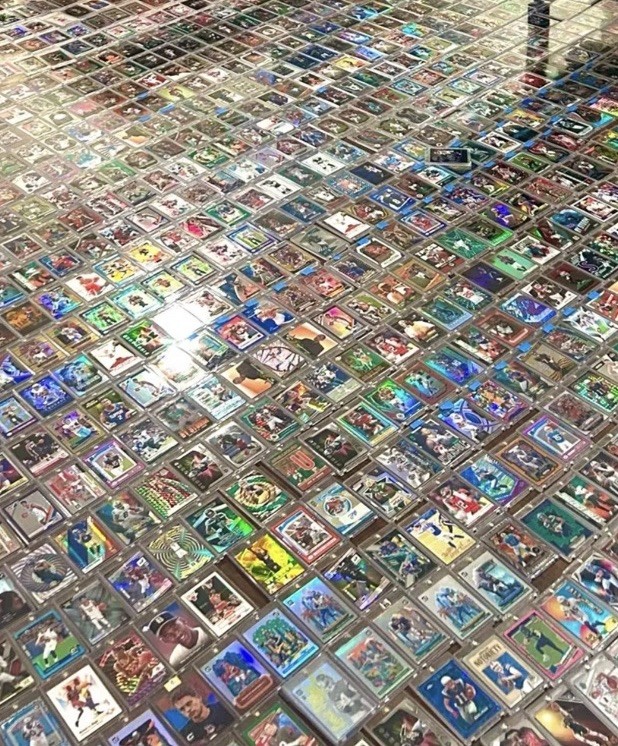
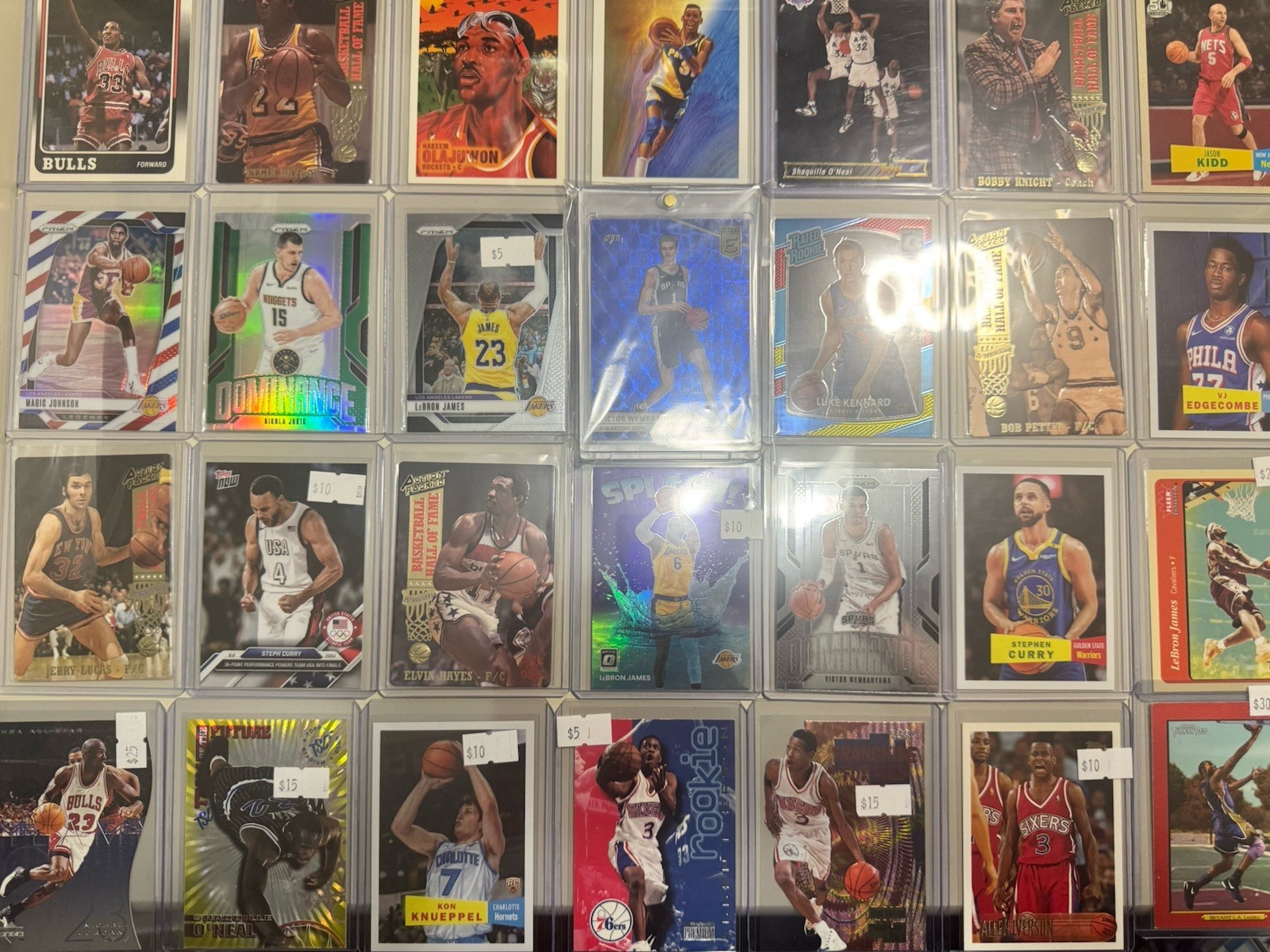

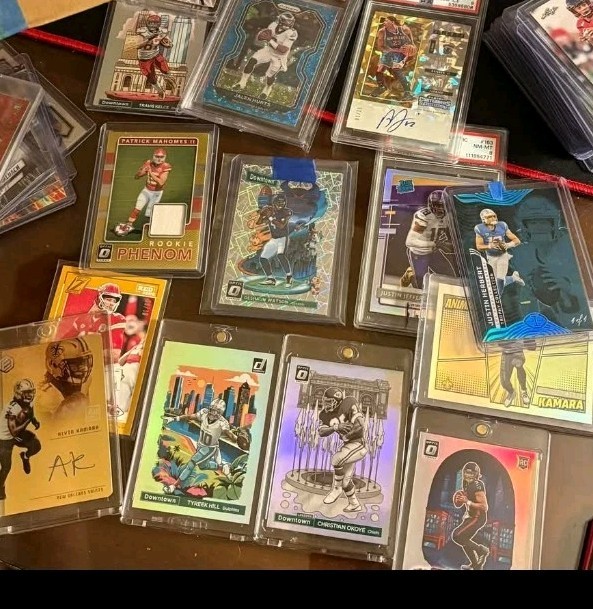


eBay links are affiliate links: JunkPal may earn a commission at no cost to you.
Resale values related to slabs
Shop slabs on eBay ↗


![Pikachu [Reverse Holo] #86](/api/images/junkpal-products/cards/pikachu-reverse-holo-86-pokemon-legendary-collection-card/img0/thumb.webp)
JunkPal may earn a commission when you buy through eBay links, at no extra cost to you.
What’s worth the most
Ranked on medians of real closed eBay sales, not asking prices.