What does “slabbed” mean?
What it means
"Slabbed" means a trading card has undergone professional authentication and grading by a third-party service (e.g., PSA, BGS, SGC). The card is sealed inside a hard, tamper-evident plastic case, known as a slab. The grading company assigns a numerical score, typically 1 to 10, quantifying the card's condition. This score is the objective standard for the card's quality. The mainstream equivalent is having an expert verify and certify the card's condition and authenticity. The grade is not just a score; it is a verifiable guarantee of condition.
What it does to price
The grade acts as a direct, measurable multiplier on market value. A high-grade, authenticated card typically fetches a significant premium over the same card ungraded. For example, a common rookie card graded PSA 10 might sell for 2.5 to 4 times the price of the identical, ungraded copy. Low grades (e.g., PSA 3 or 4) often see a minimal price bump, sometimes less than 1.2x, as the condition is already compromised. Conversely, a high grade does not guarantee high value; a PSA 10 of a low-demand card will still sell for low. The grade only verifies the quality of the existing card.
How to spot it
A slabbed card will have the grading company’s specific logo, grade sticker, and serial number permanently affixed to the case. The case itself is usually rigid plastic. When inspecting an online listing, verify the grade number matches the card's visual appearance in the photos. Common issues include "slab damage"—scratches or dents on the plastic case itself, which can devalue the item regardless of the card's grade. Fakes often involve poorly printed labels or incorrect holographic seals on the case. Always request clear, high-resolution photos of the grade sticker and the card visible through the slab.
Buying smart
Paying the premium for a slab is justified when the card is a high-demand, blue-chip asset (e.g., a major rookie card from a popular sport). For mid-tier or speculative cards, the premium may not be worth the cost unless the grade is near-perfect (a 9 or 10). A fair deal involves the asking price reflecting the established market value for that specific grade. If a seller is asking for a 10x premium over the established market rate for that grade, the purchase is likely overpriced.
Selling smart
Listing a slabbed card immediately elevates its perceived value and reduces buyer risk. The presence of the slab is the primary selling feature. In the listing description, the grade number and the grading company must be prominently displayed. The single most effective piece of evidence is a clear, centered photo of the grade sticker showing the number and the company logo. This photo confirms authenticity and grade instantly, allowing the seller to command the necessary market premium without lengthy condition debates.
On eBay right now
Current asking prices from live listings — not sold-comp medians.

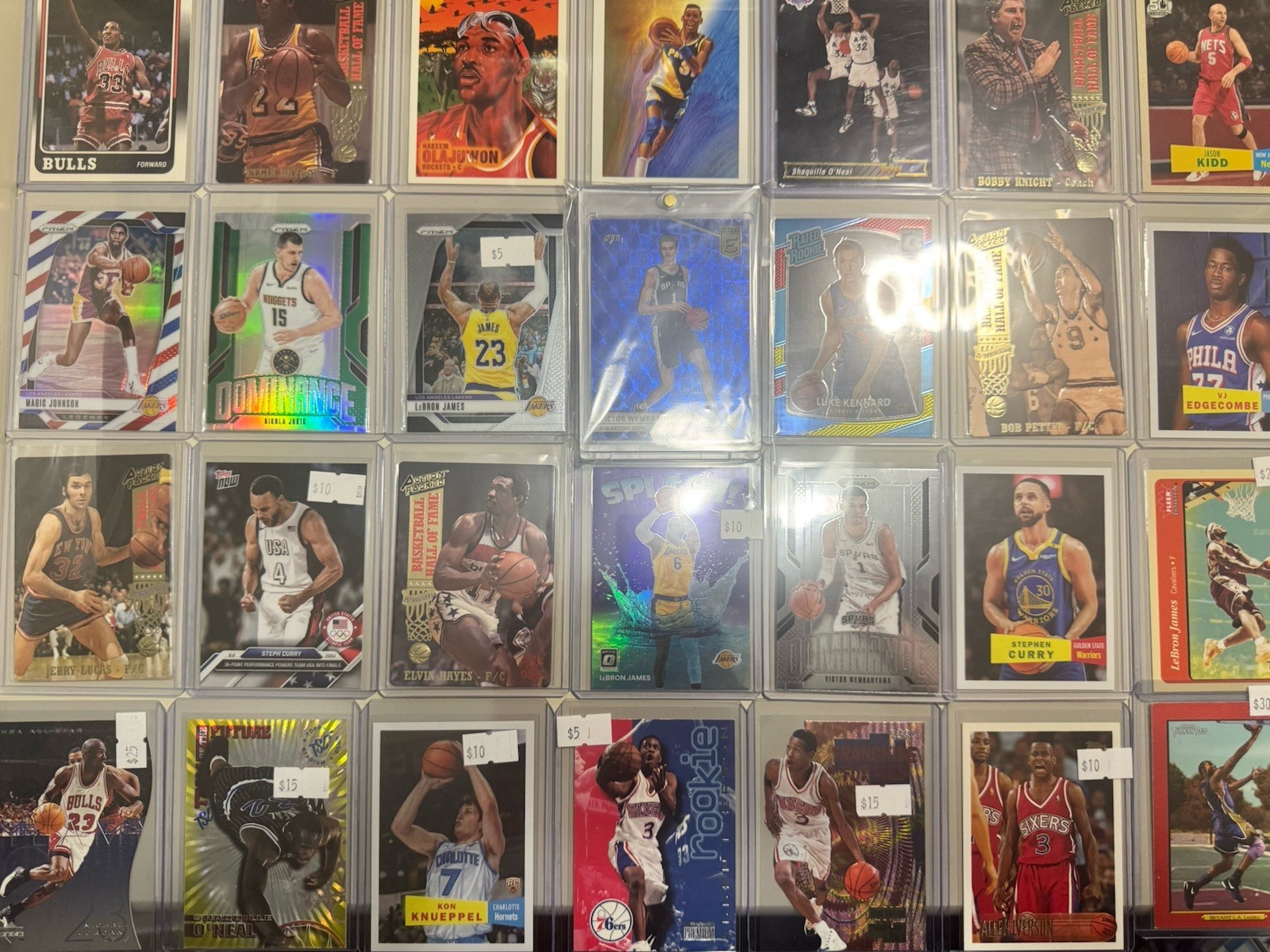
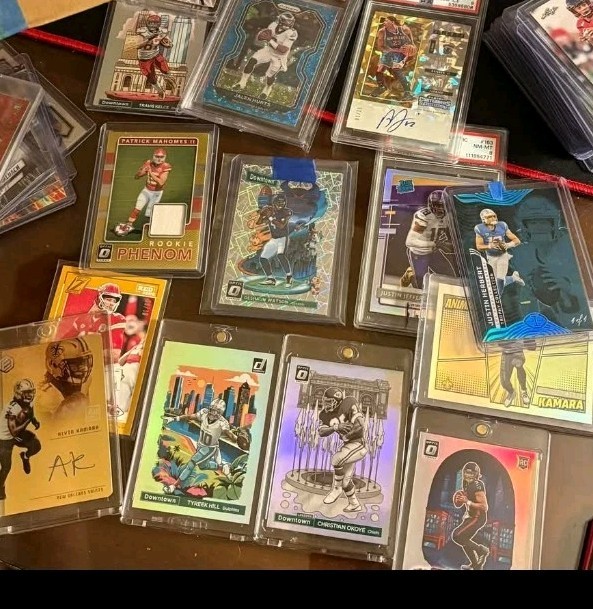


eBay links are affiliate links: JunkPal may earn a commission at no cost to you.
Resale values related to slabbed
Shop slabbed on eBay ↗




![Electabuzz [Tekno] #125](/api/images/junkpal-products/cards/electabuzz-tekno-125-pokemon-2000-topps-chrome-card/img0/thumb.webp)

JunkPal may earn a commission when you buy through eBay links, at no extra cost to you.
What’s worth the most
Ranked on medians of real closed eBay sales, not asking prices.