What does “singles market” mean?
What it means
The singles market is the secondary market for individual, loose trading cards. This contrasts with buying sealed product, such as booster packs or full boxes. In this environment, transactions focus on specific cards—a particular player, a rare variant, or a necessary piece for set completion. The mainstream equivalent is the individual item resale market. The focus shifts from acquiring a product to acquiring specific assets. Value is determined by the card’s inherent scarcity, its current demand from collectors, and its condition.
What it does to price
Singles pricing is highly volatile and driven by micro-demand. A high-demand, low-supply card can command a premium of 5x to 20x its base retail value. Conversely, common cards, even in perfect condition, trade for minimal amounts. Condition is the primary multiplier: a Near Mint (NM) copy might sell for 3x a Played (LP) copy. For example, a common rookie card might sell for $0.50 loose, but if a major player suddenly becomes highly sought after, that same card could jump to $15.00 in singles pricing overnight.
How to spot it
Identifying a true singles listing requires scrutiny of the card itself. Look for clear images showing the card edges and corners to assess centering and wear. Sellers must provide high-resolution photos. Common pitfalls include misrepresenting condition; a card described as NM but showing edge whitening is an honest mistake. Fakes are usually spotted by examining the print quality—look for blurry text, incorrect foil alignment, or off-color printing compared to known authentic examples. Always cross-reference the card number and set symbol against an official database.
Buying smart
Paying a premium in the singles market is justified when the card is a "chase" item—a highly limited parallel, a rookie card of a top-tier player, or a card needed to complete a high-value set. It is not worth the premium for common filler cards or cards whose popularity is declining. A fair deal occurs when the asking price is within 10-20% of the average recent sales data pulled from major marketplace sales history. If the asking price is significantly higher without a clear, verifiable reason (like a unique serial number), it is likely inflated.
Selling smart
To maximize returns, the listing must immediately establish authenticity and condition. The single most impactful element is a clear, well-lit photo of the card's front and back, specifically highlighting any distinguishing features like holographic placement or specific print variations. If the card is professionally graded (e.g., PSA 10), that certification number must be front and center in the title and description. A simple word like "Authenticated" or including the grade number instantly justifies a higher price bracket, often securing a 25-50% premium over an ungraded copy.
On eBay right now
Current asking prices from live listings — not sold-comp medians.


eBay links are affiliate links: JunkPal may earn a commission at no cost to you.
Resale values related to singles market
Shop singles market on eBay ↗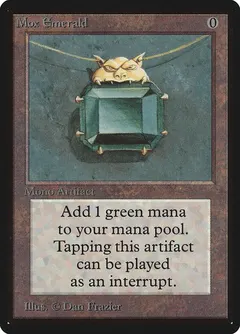
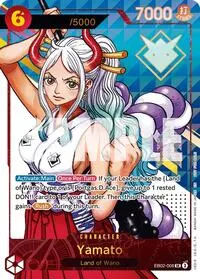
![Illusion's Zoroark [Corocoro Winner] #L-P](/api/images/junkpal-products/cards/illusion-s-zoroark-corocoro-winner-l-p-pokemon-japanese-promo-card/img0/thumb.webp)
![Espeon [Gold Star] #16](/api/images/junkpal-products/cards/espeon-gold-star-16-pokemon-pop-series-5-card/img0/thumb.webp)

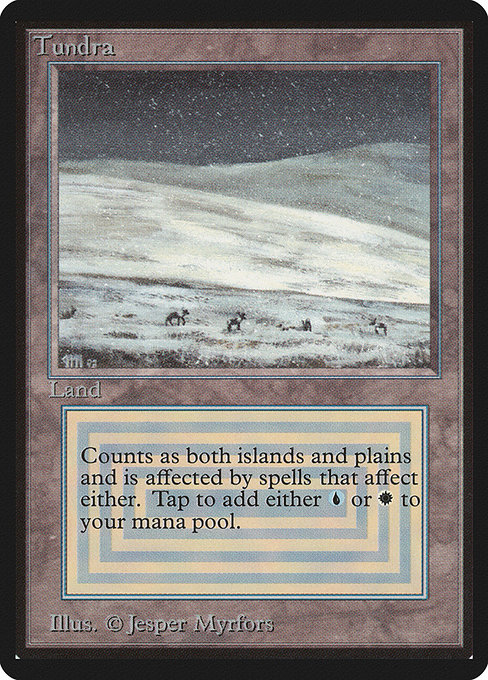

![Eevee [500 Pt. Fan Club] #133](/api/images/junkpal-products/cards/eevee-500-pt-fan-club-133-pokemon-japanese-promo-card/img0/thumb.webp)
JunkPal may earn a commission when you buy through eBay links, at no extra cost to you.
What’s worth the most
Ranked on medians of real closed eBay sales, not asking prices.