What does “silvering” mean?
What it means
Silvering is a surface degradation on trading cards characterized by a patchy, metallic, or silvery discoloration. This is not a factory feature like a holographic print; it is damage. It manifests as a sheen, often appearing uneven, across the card's surface. The cause is typically chemical reaction from environmental exposure—such as moisture, pollutants, or improper storage materials—or sometimes a flaw in the printing ink itself. In collecting terms, it is a form of surface wear, distinct from print lines or corner dings. It negatively impacts the card's overall aesthetic grade because it compromises the intended pristine look of the card stock.
What it does to price
Silvering is almost universally a negative factor, resulting in a downward price adjustment. The severity dictates the impact. Light, faint spotting might result in a 10-20% reduction from a perfect copy's value. Moderate silvering, where the sheen is noticeable across large areas, can drop value by 30-50%. Severe, widespread silvering can render a card significantly less desirable, potentially reducing its value by 60% or more, especially if the card is being graded. For a common, ungraded card, silvering might mean the difference between selling for $10 loose versus $3-5.
How to spot it
Spotting requires close examination, ideally under bright, direct light. Look for areas where the white or colored card stock has taken on a dull, metallic luster, rather than a clean, matte or glossy finish. The damage is usually non-uniform. Sellers should provide high-resolution, zoomed-in photos of the entire front and back, specifically focusing on the edges and center field. A common mistake is confusing minor ink bleed or a slight sheen from a high-gloss print with actual silvering. Genuine silvering appears as a chemical alteration of the card surface itself, not just ink distortion.
Buying smart
Paying a premium for a card exhibiting silvering is rarely justifiable unless the card is exceptionally rare and the silvering is minimal (less than 5% coverage). If the card is a high-value chase piece, minor silvering might be accepted if the rest of the card (centering, corners) is flawless, but buyers must be aware of the condition downgrade. A fair deal involves a price that reflects the condition grade *after* the silvering has been factored in. If a seller presents a card as Near Mint (NM) but it exhibits visible silvering, the price should be discounted to reflect a Lightly Played (LP) or better-than-expected condition.
Selling smart
When listing, transparency regarding silvering maximizes buyer trust and minimizes returns. Do not attempt to hide it. If the silvering is present, describe it clearly using terms like "light surface discoloration" or "minor silvering present." If the silvering is minor, include a close-up photo specifically showing the affected area. This preemptive disclosure allows buyers to self-grade the damage and adjust their offer accordingly. Listing it as "Mint" when it has silvering will lead to disputes and lower final realized value.
On eBay right now
Current asking prices from live listings — not sold-comp medians.

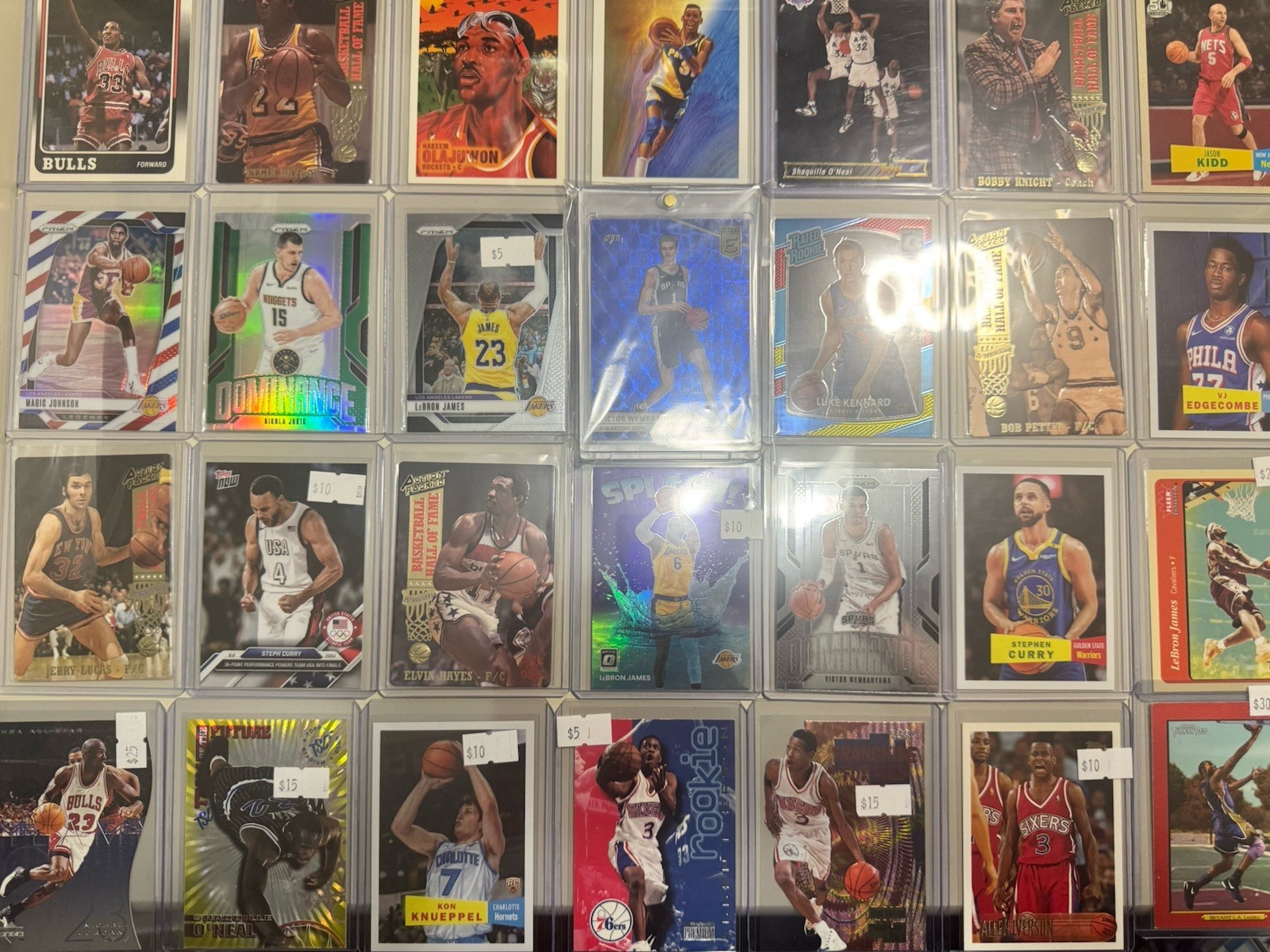
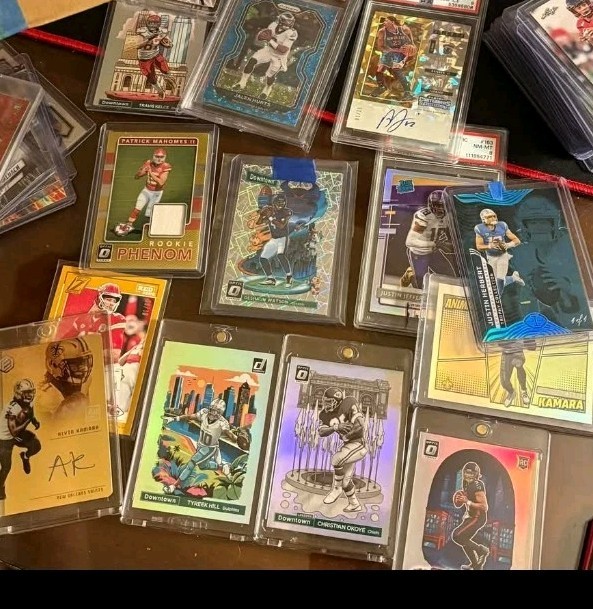


eBay links are affiliate links: JunkPal may earn a commission at no cost to you.
Resale values related to silvering
Shop silvering on eBay ↗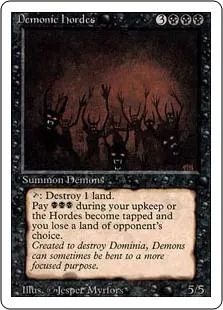



![Island [Alt Art]](/api/images/junkpal-products/cards/island-alt-art-magic-summer-edition-card/img0/thumb.webp)
JunkPal may earn a commission when you buy through eBay links, at no extra cost to you.
What’s worth the most
Ranked on medians of real closed eBay sales, not asking prices.