What does “shiny” mean?
What it means
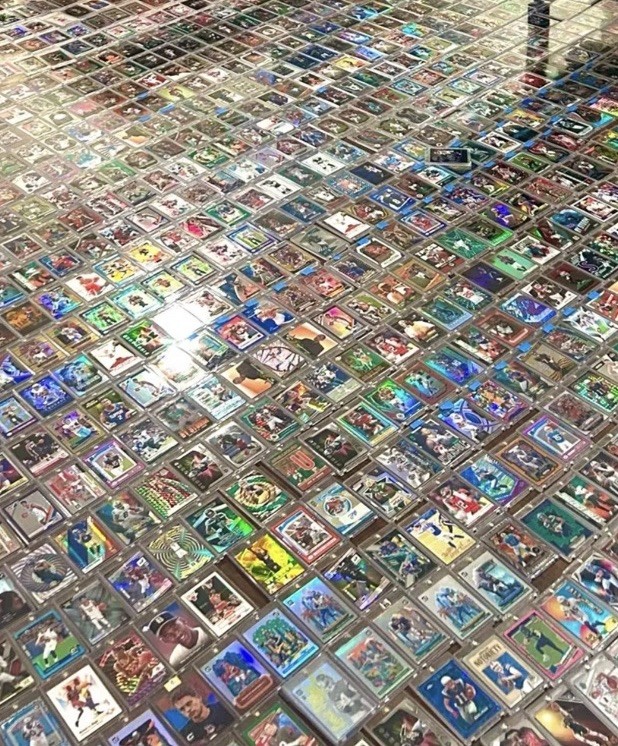
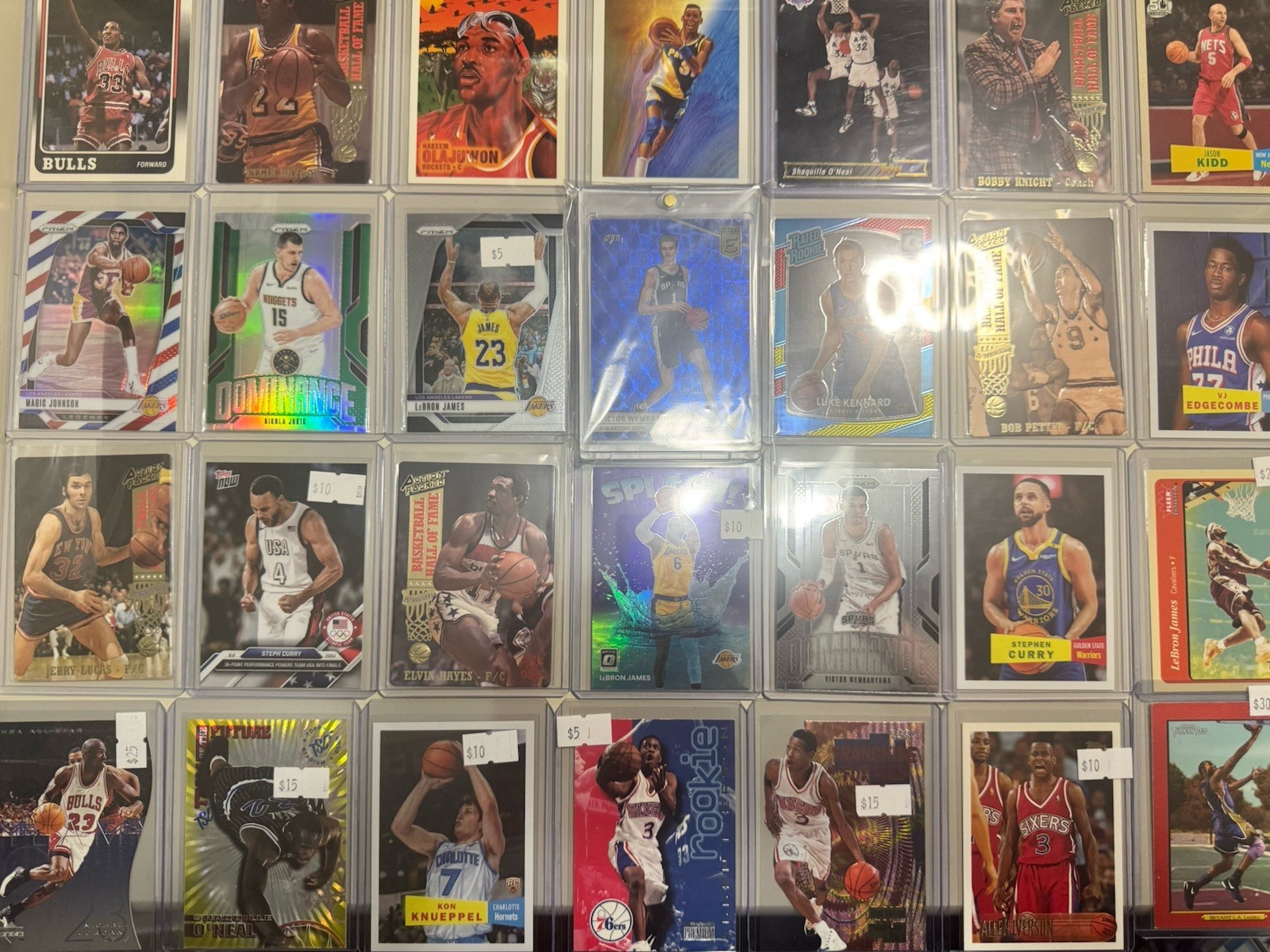
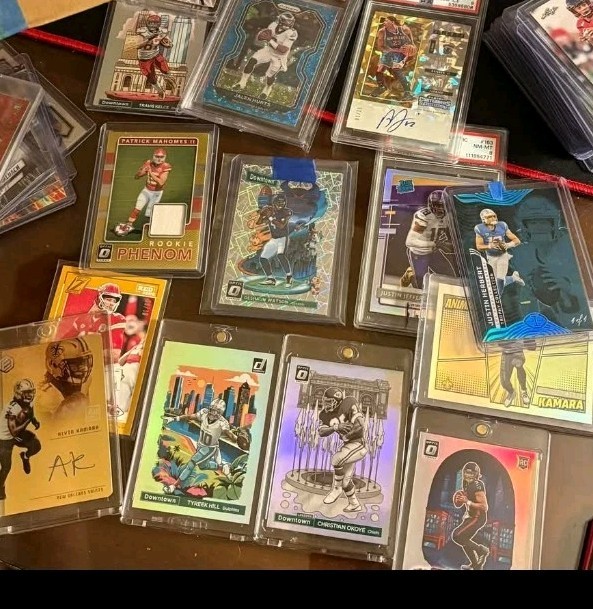
"Shiny" refers to a trading card featuring a special surface treatment, most commonly holographic (holo) or foil stamping. This is not merely a glossy finish; it involves reflective inks or metallic foils applied during the printing process. The mainstream equivalent is a "premium finish" card. The term encompasses various levels of effect, from a simple rainbow sheen to complex prismatic or gold-stamped patterns. The value is tied directly to the quality and type of this application, distinguishing it from standard, matte-finish base cards.
What it does to price
The presence of a genuine shiny finish acts as a direct value multiplier. For a common card, a holo version might fetch 1.5x to 4x the price of the base version, depending on the set's overall rarity structure. For high-tier chase cards, the difference can be exponential. A common example: a non-foil rookie card might sell for $5; its foil counterpart, if standard issue, could easily command $15 to $25. Factors pushing the price up include rare foil patterns (e.g., "gold-stamped" vs. standard holo) and high-grade condition (PSA 10). Factors pushing it down include obvious surface scratching or poor foil application.
How to spot it
The tell is the light interaction. A genuine foil will reflect light with a distinct, sharp, and often multi-colored refraction, unlike a simple gloss coating. Check the card edges and corners for any signs of peeling or wear on the foil layer. Look for specific set identifiers; some manufacturers use unique symbol placements or print variations to denote foil runs. Always request high-resolution, direct-light photography from the seller. Be wary of "foil-simulated" cards—these are often cheap plastic overlays or heavy glossing that lacks the true metallic depth of authentic foil.
Buying smart
Paying a premium for a shiny card is justified when the card is a key chase piece within a popular set or when the foil itself is exceptionally rare (e.g., a limited-run "gold-stamped" variant). It is not worth the premium if the card is a low-value staple card from a set where the foil is ubiquitous. A fair deal involves comparing the asking price against established market data for that specific foil type and condition. If the asking price is more than 50% above the average for comparable, graded copies, caution is warranted.
Selling smart
Listing must explicitly name the foil type (e.g., "Prismatic Holo," "Gold Foil") rather than just using the generic term "shiny." This specificity attracts higher-tier buyers willing to pay for the exact feature. The single most effective element in a listing is a macro photograph taken under direct, angled light that clearly captures the reflective quality of the foil. A simple declaration like "Genuine Rainbow Foil" in the title, supported by clear imagery, is the key to earning the maximum premium.
On eBay right now
Current asking prices from live listings — not sold-comp medians.



eBay links are affiliate links: JunkPal may earn a commission at no cost to you.
Resale values related to shiny
Shop shiny on eBay ↗
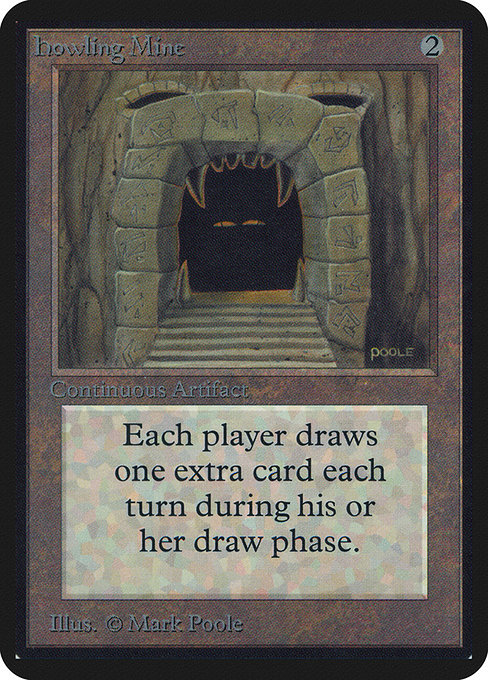
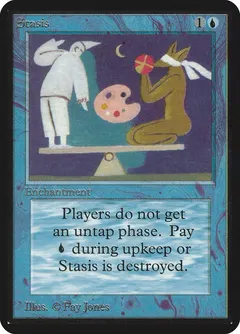
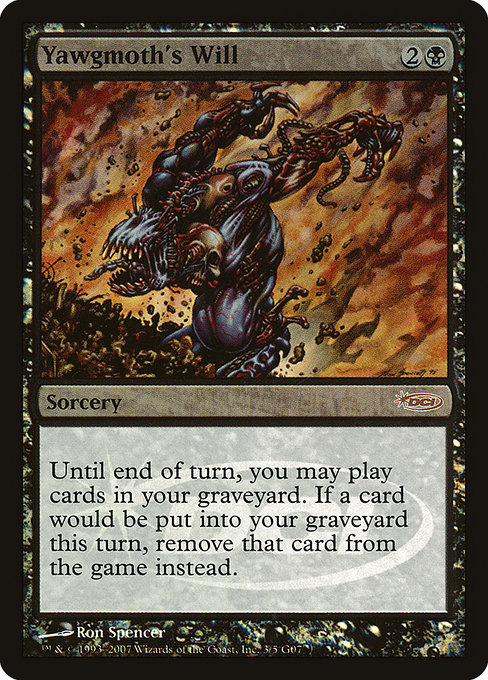
![Chansey [Sparkle] #113](/api/images/junkpal-products/cards/chansey-sparkle-113-pokemon-2000-topps-chrome-card/img0/thumb.webp)
JunkPal may earn a commission when you buy through eBay links, at no extra cost to you.
What’s worth the most
Ranked on medians of real closed eBay sales, not asking prices.