What does “sheen” mean?
What it means
Sheen refers to the surface reflectivity of a trading card. It is the gloss or luster applied during the card's original printing and protective coating process. This is not merely a shine; it is a measurable quality of the card stock finish. A high, uniform sheen indicates the card retains its original manufacturing quality. A loss of sheen—becoming matte, dull, or patchy—is a physical degradation of the surface coating, often resulting from handling, environmental exposure, or improper storage. For grading purposes, sheen integrity is a key component of the card's overall visual appeal and preservation grade.
What it does to price
Sheen directly impacts the aesthetic grade, which is a significant factor in secondary market valuation. A card exhibiting a vibrant, consistent sheen commands a premium over an identical copy with a dull finish. For high-value, graded cards, the difference between a perfect sheen and a noticeably faded sheen can equate to a 10-25% valuation drop. For ungraded, high-end chase cards, a flawless sheen can push the asking price into the upper quartile of the market range. Conversely, a card with significant coating wear or scratching that removes the sheen may sell for 30-50% less than a comparable, pristine example.
How to spot it
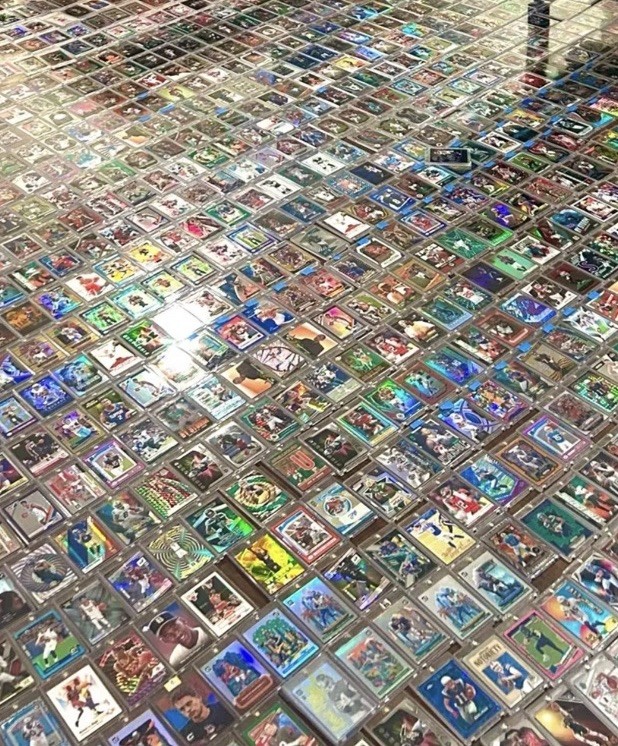
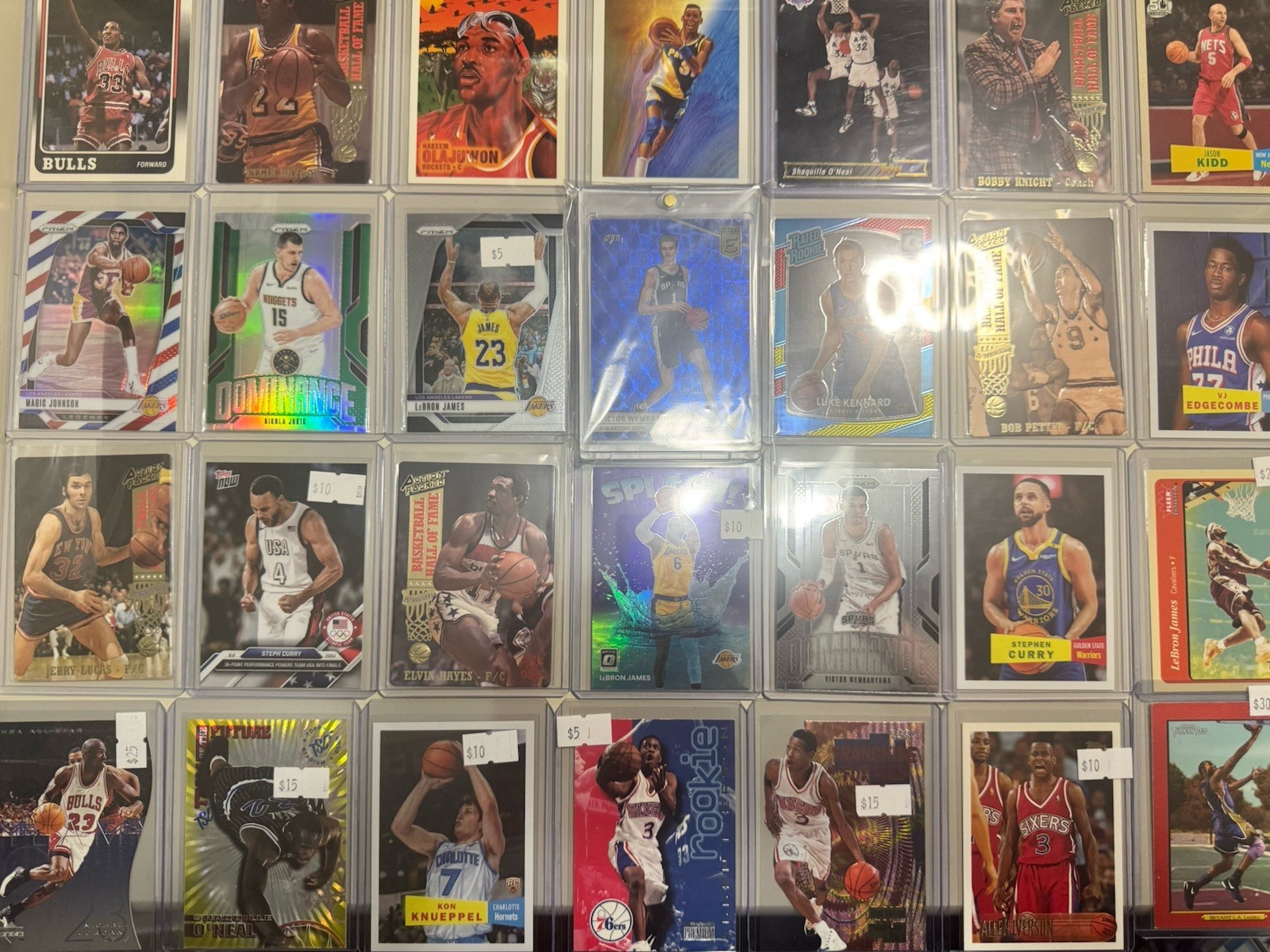
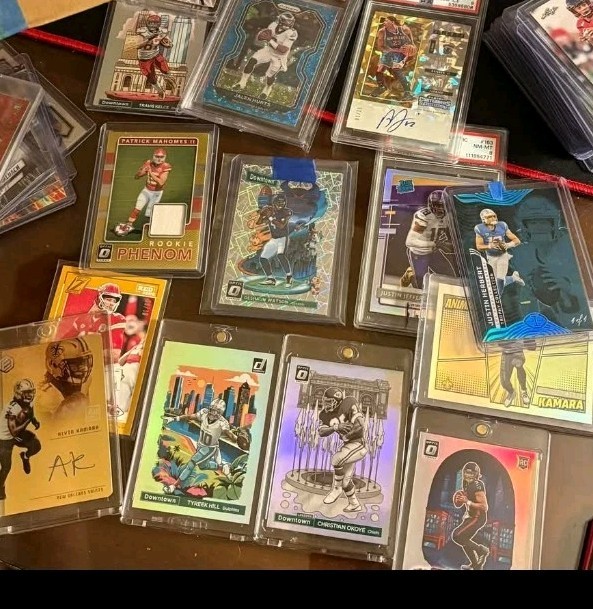
Assessment requires inspection under direct, bright light—ideally a strong LED or daylight source. Look for how light reflects off the surface; a good card should exhibit a crisp, even reflection across the entire surface area. Check the edges and corners as well, as coating wear often begins there. Some modern, high-end print runs use specific holographic or prismatic foils; the sheen here must be sharp and unbroken. A common mistake is confusing minor surface dust with a loss of sheen. Fakes or poorly manufactured reproductions often have a plastic-like, unnatural gloss that differs significantly from the original card stock's finish.
Buying smart
Paying a premium for sheen is justified when the card is a centerpiece investment piece, particularly if it is PSA 10 or BGS 9.5+. In these high-grade scenarios, the sheen is part of the verified perfection. For mid-tier, ungraded cards, the premium must be proportional to the card's overall rarity. If a card is common but has a perfect sheen, the premium is minor. If it is a rare, highly sought-after card, the sheen acts as a critical confirmation of its quality and is worth paying for, provided the price increase is less than 15% over a comparable, dull copy.
Selling smart
Listing must accurately describe the sheen to prevent buyer disputes. Use descriptive language: "Vibrant, uniform sheen," "Original gloss intact," or, if necessary, "Minor sheen loss visible on lower left corner." The single most effective asset for proving sheen quality is a high-resolution, macro photograph taken under strong, direct lighting. This photo allows the buyer to visually confirm the card's surface integrity before committing to a purchase, securing the highest possible price point for a pristine example.
On eBay right now
Current asking prices from live listings — not sold-comp medians.



eBay links are affiliate links: JunkPal may earn a commission at no cost to you.
Resale values related to sheen
Shop sheen on eBay ↗


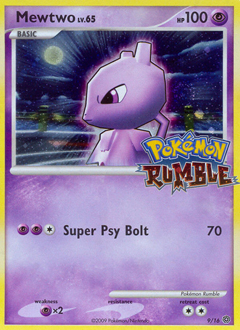
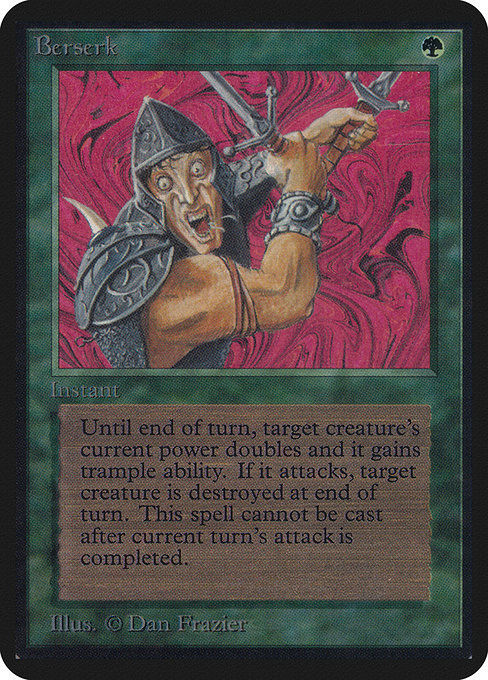
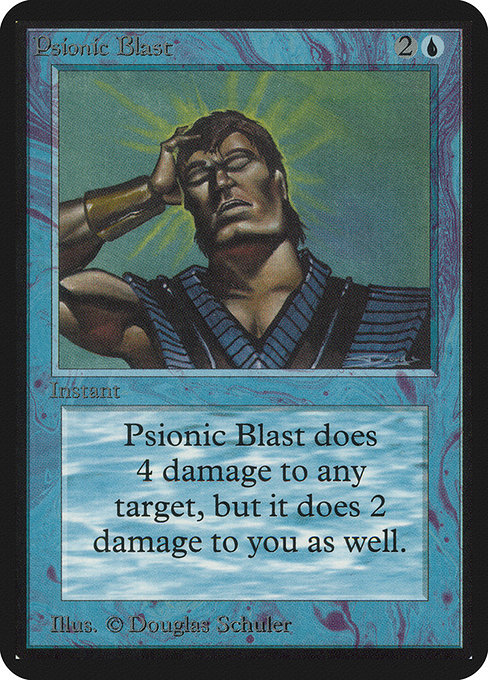
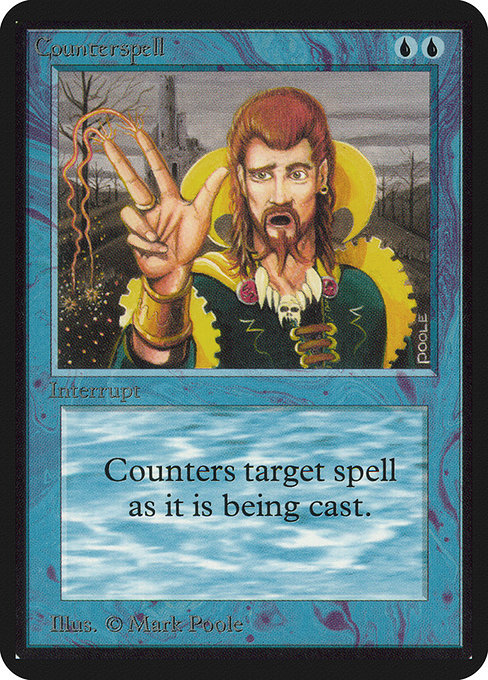
JunkPal may earn a commission when you buy through eBay links, at no extra cost to you.
What’s worth the most
Ranked on medians of real closed eBay sales, not asking prices.