What does “setlist” mean?
What it means
In trading card collecting, a setlist is the definitive roster of every unique card included in a specific product release, such as a booster pack expansion or a complete product line. It is the comprehensive inventory for that particular printing run. This term is the industry standard; there is no mainstream equivalent, as it is specific to serialized collecting. The setlist dictates the total number of distinct cards available in that release. Every card's rarity, and thus its potential value, is defined relative to this fixed setlist. A card's value is not absolute; it is relative to the pool of cards it belongs to.
What it does to price
The setlist establishes the baseline for comparative pricing. A card is valued based on its scarcity *within* that setlist. A common card from a small, highly sought-after setlist can command a higher price than a rare card from a massive, over-saturated setlist. For example, a chase card from a limited, 50-card setlist might fetch 4x the price of a rare card from a 500-card setlist, assuming comparable condition. If a setlist is incomplete or misidentified, the price can drop by 30-50% because the buyer cannot verify the card's true scarcity tier.
How to spot it
Identifying the correct setlist relies on multiple data points. The primary tell is the set symbol or logo printed on the card itself, which corresponds to a known release code. Secondary verification requires checking the card's numbering sequence against known setlist databases. Sellers must provide high-resolution images showing the back of the card, as some sets have unique production identifiers on the packaging or card edges. Common mistakes include confusing two closely related expansions; for instance, mistaking a "Base Set" reprint for the original "Alpha Set."
Buying smart
Paying a premium for a card requires verifying its inclusion in a desirable, scarce setlist. The premium is justified when the setlist itself is historically significant or extremely limited (e.g., a short-run promotional set). It is not worth paying a premium if the card is from a large, recent expansion where the setlist is known to be flooded with supply. A fair deal involves the seller providing proof of the setlist designation, allowing the buyer to cross-reference the card's rarity against established market data for that specific release.
Selling smart
Proving the correct setlist designation dramatically increases buyer confidence and, consequently, the asking price. Listing the exact set name and code in the title and description eliminates buyer hesitation regarding authenticity and scarcity. The single most valuable piece of information to include in a listing is the official set symbol/logo visible on the card front or back. Stating, "Card X from [Set Name] Setlist," rather than just "Card X," anchors the card to a verifiable scarcity tier, often leading to a 15-25% premium over listings where the set context is vague.
On eBay right now
Current asking prices from live listings — not sold-comp medians.
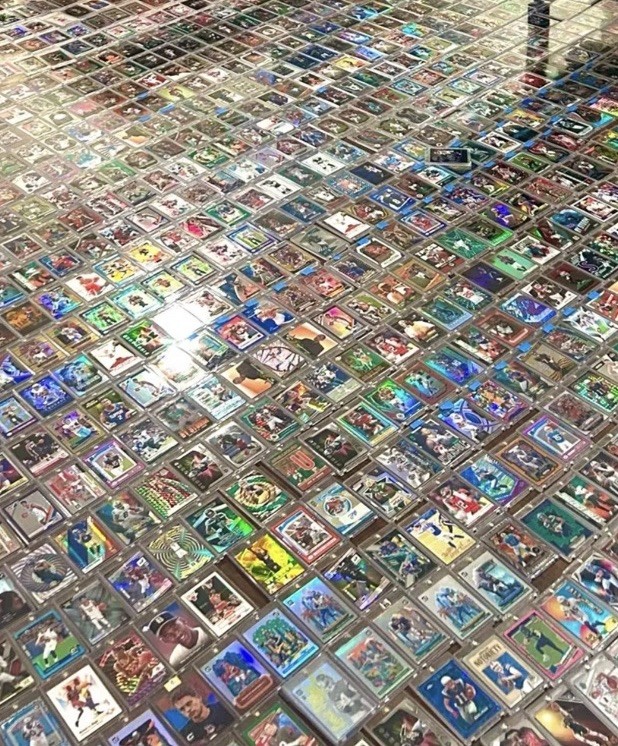
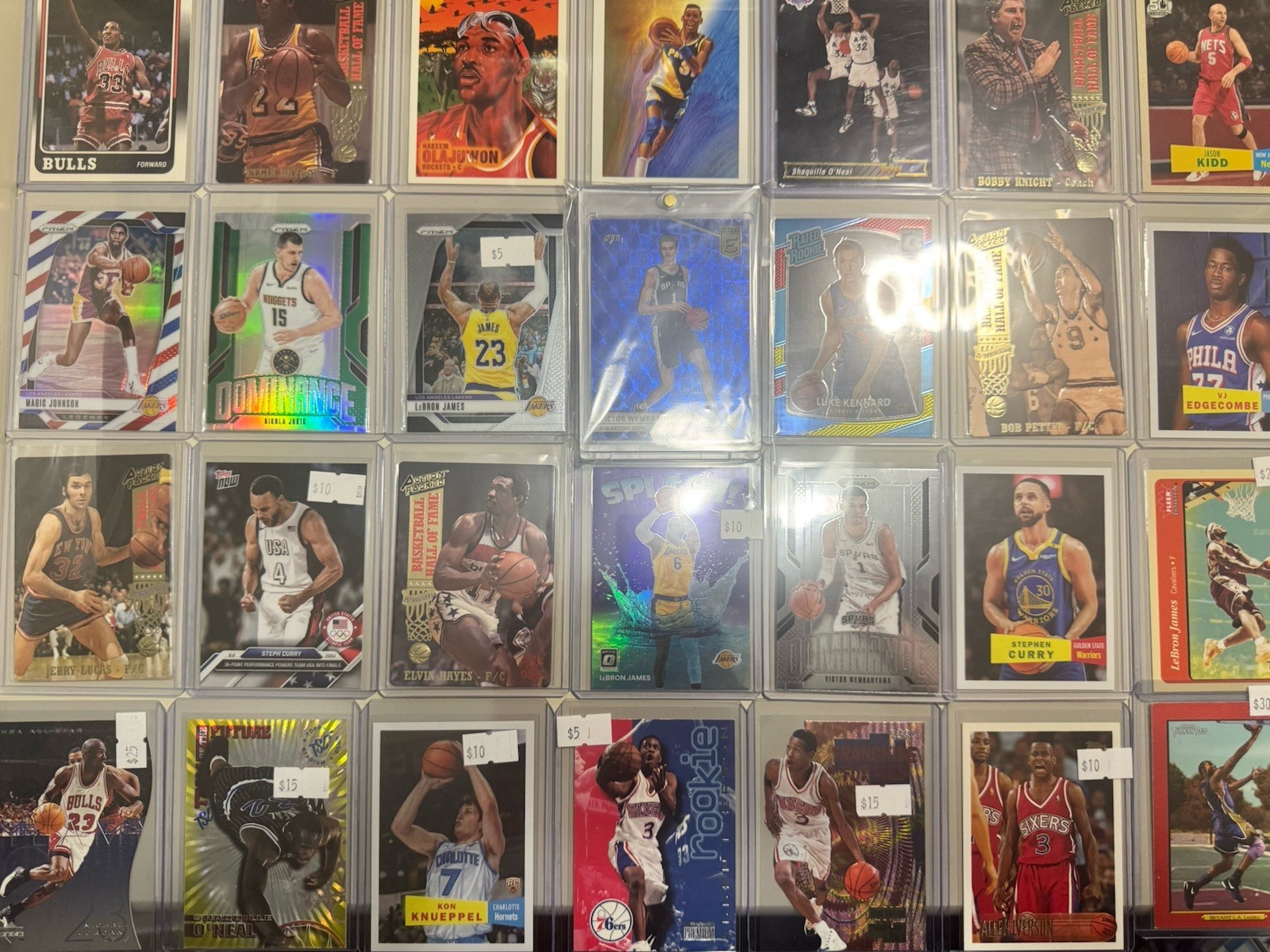

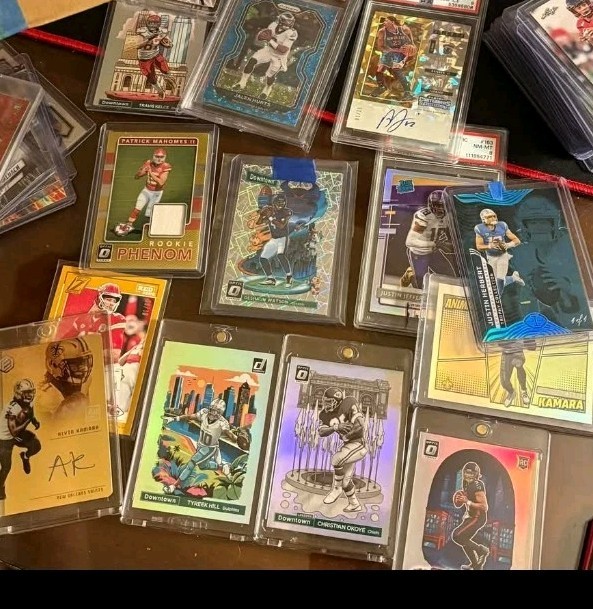


eBay links are affiliate links: JunkPal may earn a commission at no cost to you.
Resale values related to setlist
Shop setlist on eBay ↗
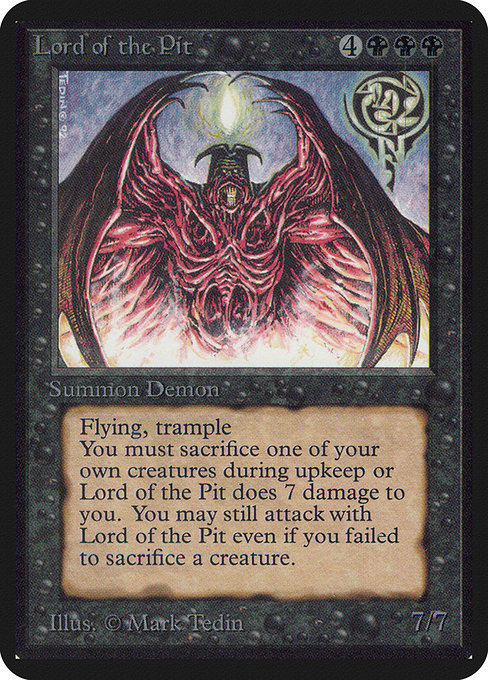


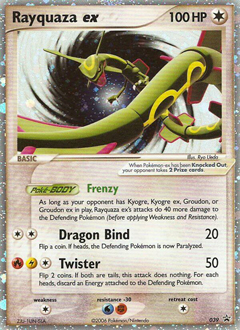
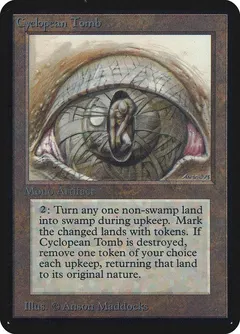
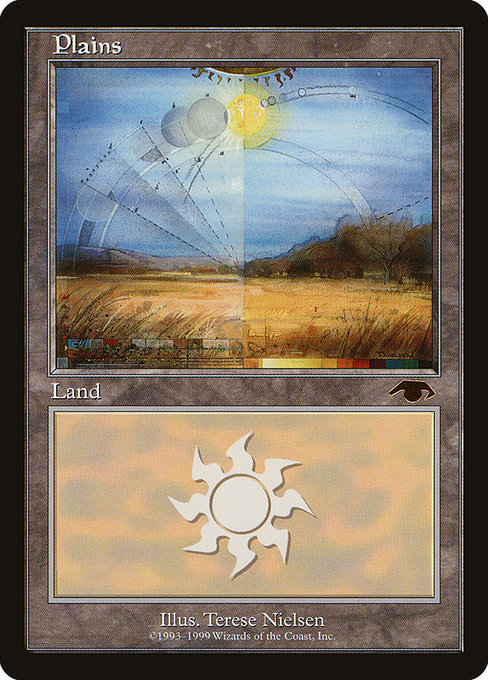

JunkPal may earn a commission when you buy through eBay links, at no extra cost to you.
What’s worth the most
Ranked on medians of real closed eBay sales, not asking prices.