What does “set release date” mean?
What it means
Set release date is the specific calendar date a trading card product line or series first hit the market. This is the official debut date for a specific collection, not necessarily the date a single card was manufactured. For resellers, this date anchors the card within the manufacturer’s production history. It distinguishes an original issue from a subsequent reprint or promotional run. This date is the primary reference point for determining a card’s chronological placement within a franchise’s timeline.
What it does to price
The release date directly influences scarcity and therefore value. Cards from the absolute first release of a set often command a significant premium, sometimes 2x to 5x the value of a common card from the same set released six months later, assuming comparable condition. Early print runs are inherently scarcer. A card from the inaugural set of a major series might fetch $50 for a Near Mint copy, whereas the same card from a later, mass-marketed reprint might only sell for $15. Later dates often correlate with higher print runs and lower baseline values.
How to spot it
Identifying the exact release date requires cross-referencing the card's set symbol or numbering against the manufacturer’s official release schedule. Some sets feature unique iconography or "first edition" stamps printed on the card stock itself, which confirms early production. Sellers should provide packaging or box art showing the set name, which is usually dated. A common mistake is confusing the *set release date* with the *card print date* (which can be obscured). Fakes sometimes use correct set names but apply incorrect production stamps.
Buying smart
Paying a premium for a card based on its early set release date is worthwhile when the card is a key chase piece (e.g., a rookie card or highly sought-after parallel) and the scarcity is proven. If the card is a common chase card from a set released years ago, the premium for the date may not justify the cost unless the card is graded PSA 10. A fair deal involves the asking price reflecting the established scarcity tier associated with that initial release window, not just the card's inherent rarity.
Selling smart
Listing a card with the verified set release date provides immediate credibility and justifies a higher asking price. Buyers pay more when they know the card is an original issue from the primary print run. The single most effective element in a listing is a clear photograph of the set symbol or any date/year printed on the card's border or packaging, explicitly stating the confirmed release date in the description. This shifts the discussion from "What is it?" to "How valuable is this specific vintage?"
On eBay right now
Current asking prices from live listings — not sold-comp medians.


eBay links are affiliate links: JunkPal may earn a commission at no cost to you.
Resale values related to set release date
Shop set release date on eBay ↗![Mysterious Pearl [Spring Winner]](/api/images/junkpal-products/cards/mysterious-pearl-spring-winner-pokemon-japanese-promo-card/img0/thumb.webp)
![Mana Vault [Foil] #796](/api/images/junkpal-products/cards/mana-vault-foil-796-magic-secret-lair-drop-card/img0/thumb.webp)
![Blister Pack [Shadowless]](/api/images/junkpal-products/cards/blister-pack-shadowless-pokemon-base-set-card/img0/thumb.webp)

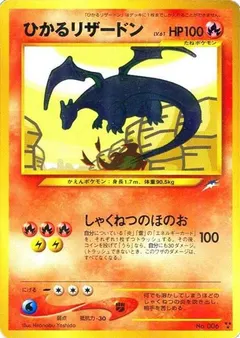


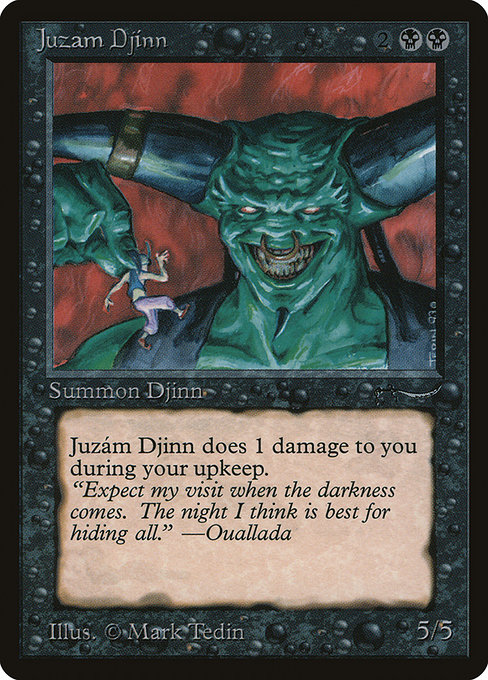
JunkPal may earn a commission when you buy through eBay links, at no extra cost to you.
What’s worth the most
Ranked on medians of real closed eBay sales, not asking prices.