What does “set release” mean?
What it means
Set release is the official date a manufacturer first distributes a specific trading card collection or series. It marks the initial availability of the cards within that grouping. For collectors and resellers, this date establishes the card's original market context. It is the equivalent of a product launch date in retail. The initial release dictates the first wave of collector interest and sets the foundational scarcity perception for the entire set.
What it does to price
The initial set release often drives peak demand, especially for chase cards (parallels, autographs) from that set. A card from a highly anticipated debut set can see initial premiums of 2x to 5x over later reprints, assuming the initial print run was limited. If a card is from a set that was heavily reprinted shortly after release, the initial premium often collapses, leading to a value drop of 40-60% compared to the initial hype price. For example, a common rookie card from a highly hyped, limited-run debut set might sell for $15 immediately after release, but only $5 six months later if the set was widely reprinted.
How to spot it
The set release is documented by the manufacturer's official product announcements and packaging dates. To verify a specific card's origin, check the card's numbering, set symbol, or specific design elements unique to the initial printing run. Sellers should provide photos of the packaging or the card's corner/edge to confirm the printing batch if the set is known for multiple print runs. A common mistake is confusing a "special edition" release with the primary set release; the primary set release is the baseline.
Buying smart
Paying a premium for a card based solely on its set release date is only worthwhile if the card is a key rookie, a chase parallel, or if the set itself is historically significant (e.g., first appearance of a major player). If the card is a common pull from a moderately popular set, the premium associated with the initial release is often inflated hype. A fair deal involves a price that reflects the card's intrinsic rarity *plus* a moderate premium (1.2x to 1.8x) for being from the original release, not the peak hype price.
Selling smart
Proving the card originated from the initial set release significantly increases perceived value, especially for high-grade examples. Buyers pay more for "original release" status because it implies a cleaner, less circulated first print. The single most effective element in a listing is a clear, high-resolution photo of the card's set identifier or the packaging it came from. Using the phrase "Original Set Release" in the title, rather than just listing the set name, can justify a 15-25% price bump over listings that do not specify the initial release status.
On eBay right now
Current asking prices from live listings — not sold-comp medians.


eBay links are affiliate links: JunkPal may earn a commission at no cost to you.
Resale values related to set release
Shop set release on eBay ↗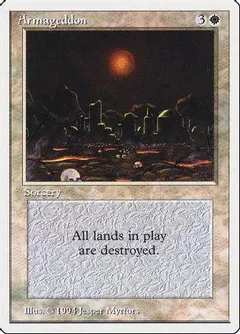

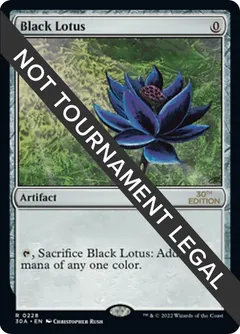
![Tropical Wind [Worlds 09]](/api/images/junkpal-products/cards/tropical-wind-worlds-09-pokemon-japanese-promo-card/img0/thumb.webp)

![Dugtrio [For Position Only] #44](/api/images/junkpal-products/cards/dugtrio-for-position-only-44-pokemon-expedition-card/img0/thumb.webp)

JunkPal may earn a commission when you buy through eBay links, at no extra cost to you.
What’s worth the most
Ranked on medians of real closed eBay sales, not asking prices.