What does “set list” mean?
What it means
A set list is the definitive, exhaustive catalog of every unique card contained within a specific, defined product release. This applies to sealed products, such as booster boxes, elite packs, or specific product variants. It is the official inventory manifest. For the reseller, it moves the item from a generic "product" to a quantifiable collection. The set list dictates the entire card hierarchy—which cards are common, rare, ultra-rare, or secret. It is the blueprint for the collection's composition.
What it does to price
The set list establishes the baseline valuation. If a set list contains multiple high-demand chase cards (e.g., a highly sought-after alternate art parallel), the entire product commands a higher initial premium. A box from a set known for low pull rates on key cards will fetch 2x to 4x the price of a box from a set with widely available hits. Conversely, if the set list is known to be "filler-heavy" (many low-value commons), the baseline price drops. Example: A sealed box from Set A, known for its scarce gold parallels, might sell for $150, whereas an identical box from Set B, whose list shows only standard rares, might sell for $50.
How to spot it
The set list is found in official product packaging inserts, manufacturer websites, or verified third-party database entries tied to the specific product SKU (Stock Keeping Unit). Tells to watch for include unique card numbering sequences, specific foil patterns tied to the set designation, and promotional inserts that reference the full card pool. A common mistake is confusing a *set* with a *product line*—a line might have many sets. Always verify the set list against the specific year and edition number printed on the box itself.
Buying smart
Paying a premium for a sealed product based on its set list is justified when the list confirms the presence of 1-3 verifiable, high-tier chase cards that are difficult to pull. If the set list is known to be mediocre or overly saturated with low-value hits, the premium is unwarranted. A fair deal means the asking price reflects the *potential* value derived from the set list, not just the cardboard. If a seller claims a set list contains a "guaranteed hit" that isn't listed, the deal is suspect.
Selling smart
Proving the set list context elevates the listing from "sealed product" to "specific, valuable collection source." The single most effective element to include is a high-resolution photo of the product packaging *with* the official set symbol or edition stamp clearly visible. In the description, explicitly state the set name and confirm its contents align with the known set list. This transparency reduces buyer friction and justifies a 15-25% price increase over generic listings because the buyer knows precisely what they are acquiring.
On eBay right now
Current asking prices from live listings — not sold-comp medians.


eBay links are affiliate links: JunkPal may earn a commission at no cost to you.
Resale values related to set list
Shop set list on eBay ↗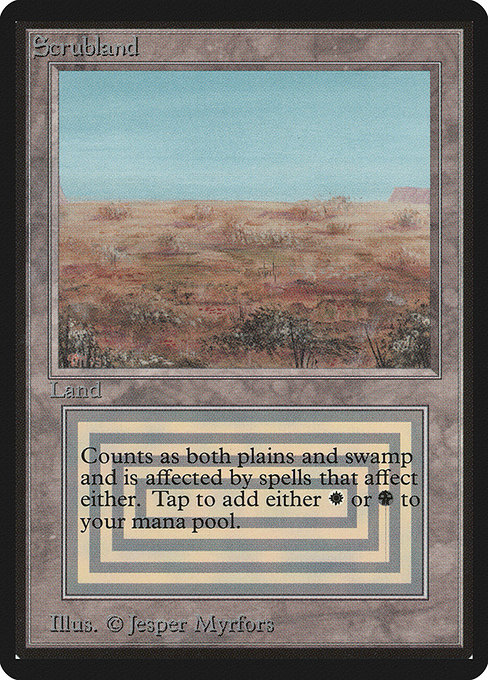



![Shining Mewtwo [1st Edition] #109](/api/images/junkpal-products/cards/shining-mewtwo-1st-edition-109-pokemon-neo-destiny-card/img0/thumb.webp)
JunkPal may earn a commission when you buy through eBay links, at no extra cost to you.
What’s worth the most
Ranked on medians of real closed eBay sales, not asking prices.