What does “serial number” mean?
What it means
A serial number is a unique alphanumeric code printed on a trading card. Its primary function is manufacturing tracking. For collectors, it functions as a verifiable data point confirming authenticity or identifying a specific production run. The term is often confused with a "card number" (e.g., #105), which simply denotes the card's position within a set. A true serial number, however, is a unique identifier, such as 001/500 or a unique string like XYZ-9876. Intentionally numbered cards (e.g., 1/10) are designated "numbered parallels" and are inherently rarer than base cards.
What it does to price
The presence of a serial number dictates price volatility. A base card without a visible serial number is valued based on set scarcity. A card with a low, sequential serial number (e.g., 1/50) can see price multipliers of 5x to 20x compared to the base card, depending on the card's overall desirability. A visible, but non-sequential, manufacturing serial number generally has a minor impact unless it links to a known, limited promotional run. If a card is part of a highly sought-after, low-run parallel, the serial number is the primary driver of premium pricing. A common example: a base rookie card might sell for \$50; the same card with a verified 1/25 serial number could fetch \$300+.
How to spot it
Serial numbers appear in various locations: on the back, within a foil pattern, or near the card's identification number. Check the card edges and corners for micro-printing. If a card is advertised as "numbered," the number must be clearly visible and match the stated edition (e.g., 1/100). A common mistake is confusing a print run code (a batch identifier) with a collector-facing serial number. Sellers must provide high-resolution photos specifically focused on the area where the serial number is printed. Fakes often have blurry or poorly aligned serial text.
Buying smart
Paying a significant premium for a serial number is justified only when the card is from a confirmed, highly desirable, low-numbered parallel set. If the card is a common base card with a standard, high-range serial number (e.g., 150/500), the premium is likely inflated and not worth the investment. A fair deal requires the seller to prove the number is legitimate and that the card meets the stated condition grade. If the price difference between a numbered and an unnumbered version is less than 2x, the premium is likely unwarranted.
Selling smart
Transparency regarding the serial number directly translates to higher buyer confidence and higher realized prices. Listing the exact serial number (e.g., "Serial: 003/10") in the title or description immediately filters out casual buyers and attracts serious collectors willing to pay a premium for verifiable scarcity. The single most valuable photo to include is a crisp, zoomed-in shot of the serial number itself. This documentation shifts the sale from a speculative purchase to a confirmed asset transaction, justifying higher listing prices.
On eBay right now
Current asking prices from live listings — not sold-comp medians.

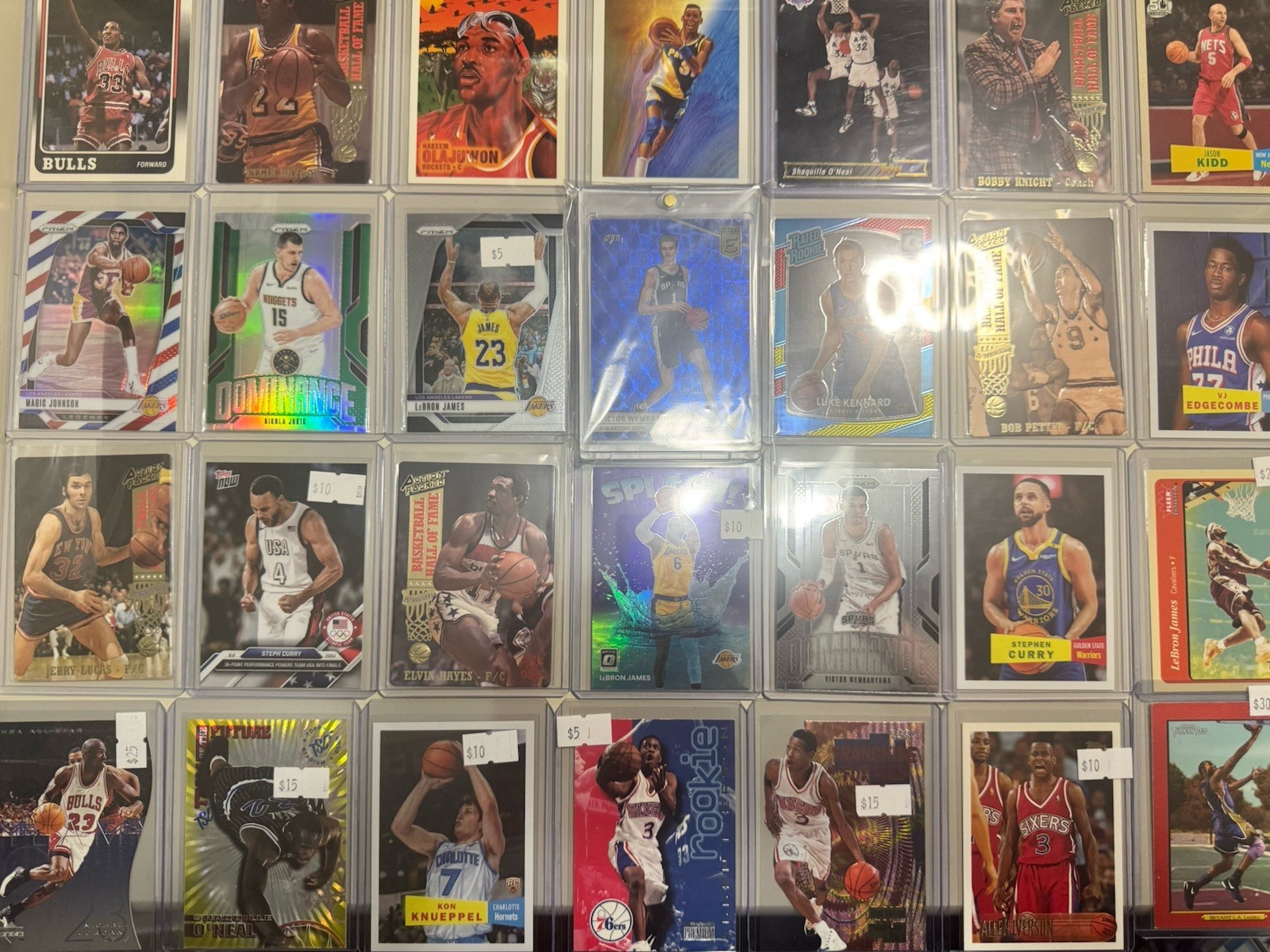
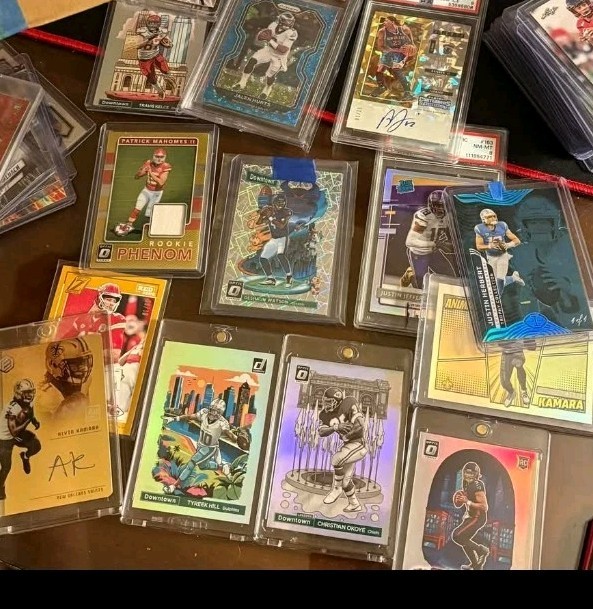


eBay links are affiliate links: JunkPal may earn a commission at no cost to you.
Resale values related to serial number
Shop serial number on eBay ↗


![Rhydon [Tekno] #112](/api/images/junkpal-products/cards/rhydon-tekno-112-pokemon-2000-topps-chrome-card/img0/thumb.webp)


JunkPal may earn a commission when you buy through eBay links, at no extra cost to you.
What’s worth the most
Ranked on medians of real closed eBay sales, not asking prices.