What does “secret rare” mean?
What it means
"Secret rare" denotes a card intentionally printed in extremely limited quantities within a specific set. This is a subset of high-rarity cards, exceeding the scarcity of standard "rare" or even "ultra rare" designations. The term signifies manufactured scarcity, meaning the production run was deliberately kept small to drive demand. For the general market, this is the equivalent of a limited edition print run. The designation itself is a marketing tool used by manufacturers to create high-value chase items.
What it does to price
The scarcity translates directly into a significant price premium. A raw, ungraded Secret Rare typically commands a multiplier of 3x to 10x compared to a comparable standard rare card from the same set, depending on the card's inherent appeal (e.g., chase character, artwork). A low-tier Secret Rare might fetch $50 loose, while a highly desirable one could exceed $500. Condition is paramount; a Near Mint/Mint copy can easily double the price of a Lightly Played version. A single, verifiable error in printing or centering can cause a 20-30% immediate depreciation.
How to spot it
Identification relies on specific set conventions. Manufacturers embed these cards using unique numbering, specific foil patterns, or designated card backs that differ from the standard set. Sellers must provide high-resolution images of the card's edges and any unique printing elements. Common pitfalls include counterfeits designed to mimic the scarcity, which often have slightly off-center printing or incorrect foil application. Furthermore, some "secret" cards are simply mislabeled by sellers; verification against official set checklists is necessary to confirm the intended rarity tier.
Buying smart
Paying a premium for a Secret Rare is justified when the card possesses high intrinsic demand—meaning the character or artwork is universally popular, or it is a key piece of set completion. If the card is obscure or has low collector interest, the premium is often inflated and not worth the investment. A fair deal involves the asking price being within 15-25% of the established market average for graded copies, factoring in the condition of the raw card. If the seller cannot provide clear provenance or high-quality images, the risk premium should be factored into the purchase price.
Selling smart
Proving the card's Secret Rare status is the primary driver of premium sales. Listing must explicitly state the rarity designation and provide clear, well-lit photos showing the card's edges and any unique identifiers. The single most valuable addition to a listing is a photo of the card *in* a protective slab, even if ungraded, as this provides immediate visual proof of its intended collectible status. Using the term "Verified Secret Rare" in the title immediately filters buyers willing to pay top-tier pricing.
On eBay right now
Current asking prices from live listings — not sold-comp medians.

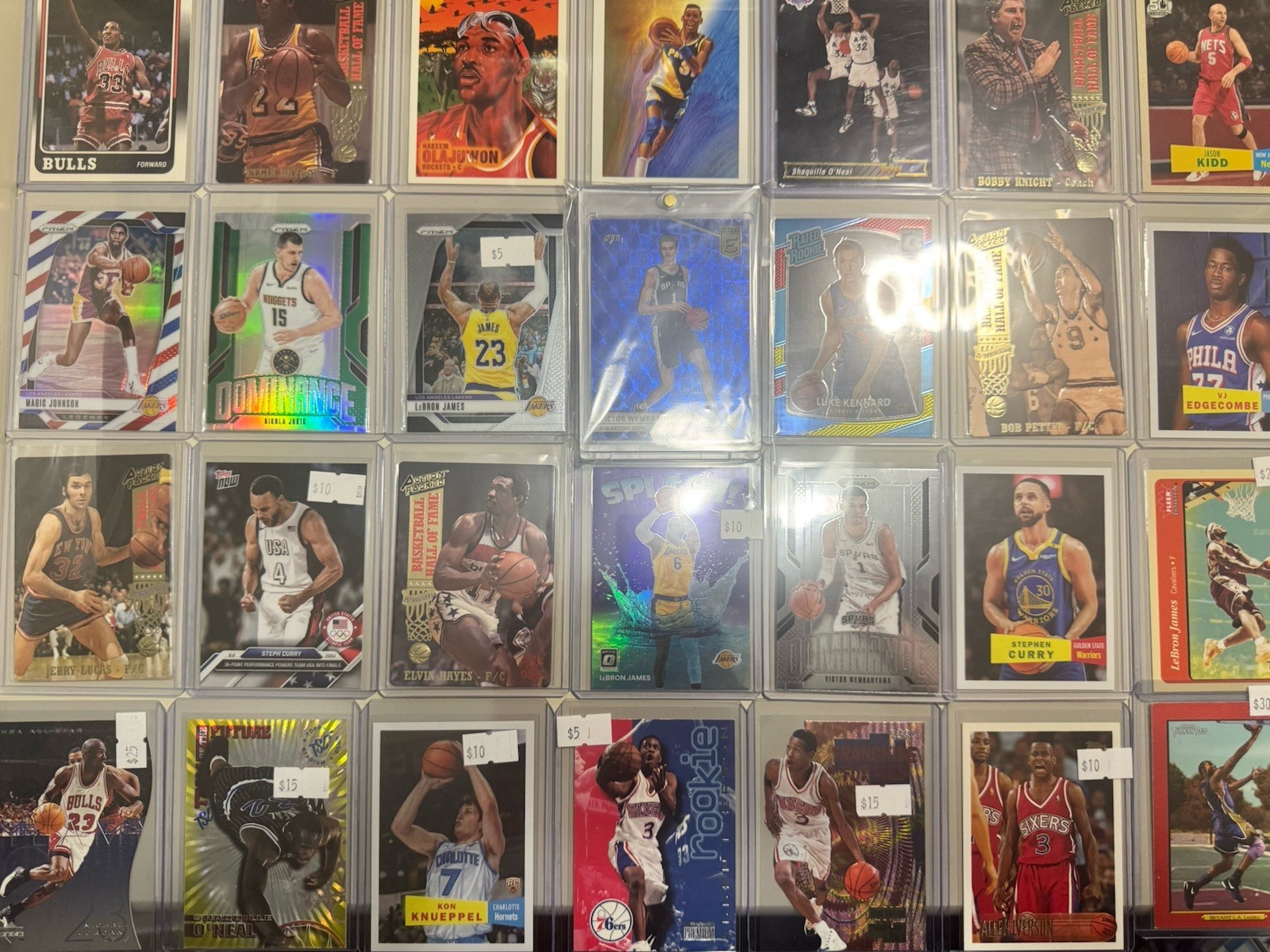
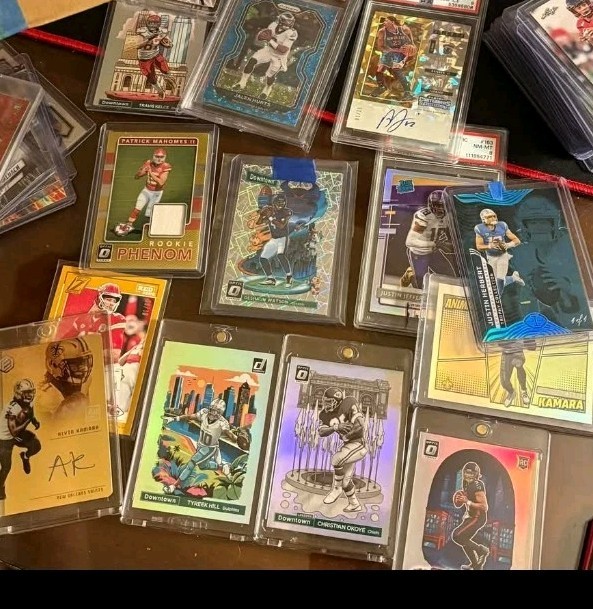


eBay links are affiliate links: JunkPal may earn a commission at no cost to you.
Resale values related to secret rare
Shop secret rare on eBay ↗


![Island [Alt Art]](/api/images/junkpal-products/cards/island-alt-art-magic-summer-edition-card/img0/thumb.webp)
JunkPal may earn a commission when you buy through eBay links, at no extra cost to you.
What’s worth the most
Ranked on medians of real closed eBay sales, not asking prices.