What does “secondary market” mean?
What it means
The secondary market is the resale channel for trading cards. It is the ecosystem where cards transition from initial distribution (the primary market, handled by manufacturers and licensed retailers) to subsequent transactions between collectors and resellers. This market encompasses everything from local card shows to major online auction platforms. For collectors and resellers, it is the operational environment for acquiring scarce assets and liquidating inventory. The market's overall health—its liquidity and buyer confidence—is the direct determinant of a card's current market value.
What it does to price
Secondary market activity creates price volatility. Demand spikes, often triggered by media exposure or nostalgia cycles, can cause rapid inflation. Conversely, market saturation or a lack of new product hype leads to stagnation or depreciation. Price multipliers are highly variable, but a graded, high-tier card (e.g., PSA 10) often commands 3x to 10x the price of a raw, ungraded copy of the same card, depending on rarity. A common example: a common chase card selling for \$20 loose might fetch \$75-\$150 when graded and authenticated. Factors pushing prices up include low supply runs and high-profile player/character relevance.
How to spot it
Identifying secondary market authenticity requires diligence. Examine card edges and corners for wear consistent with play versus storage. Look for print variations; some sets have subtle, unlisted print runs that drastically alter value. Sellers must provide high-resolution images of the card’s entire surface, including the back, to check for centering issues or print defects. Common pitfalls include mislabeling (selling a common card as a rare variant) or poor grading submissions. Always cross-reference the card’s known population reports on major grading service databases.
Buying smart
Paying a premium is justified when the card exhibits verifiable scarcity and high intrinsic demand. This applies to rookie cards of current stars or short-print chase inserts. It is not worth the premium for common, high-volume cards unless the card is in pristine, high-grade condition (e.g., a near-perfect PSA 10). A fair deal balances the asking price against recent, comparable auction results. If the asking price exceeds 1.5x the average realized price for an identical item in similar condition, further due diligence is required.
Selling smart
Proving the card's condition and provenance elevates the sale price. A simple photo of the front is insufficient. Sellers must provide clear, well-lit images of the front, back, and any specific identifying features (e.g., serial numbers, foil patterns). For maximum value, the card must be professionally graded and authenticated by a recognized third-party service. The inclusion of the official slab/certificate number in the listing description is the single most effective action to command the highest premium from serious collectors.
On eBay right now
Current asking prices from live listings — not sold-comp medians.


eBay links are affiliate links: JunkPal may earn a commission at no cost to you.
Resale values related to secondary market
Shop secondary market on eBay ↗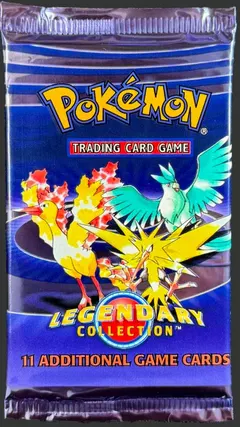
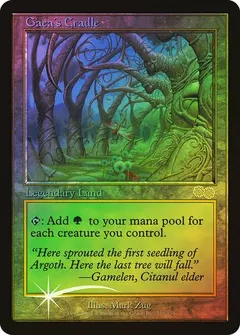
![Gengar [Sparkle] #94](/api/images/junkpal-products/cards/gengar-sparkle-94-pokemon-2000-topps-chrome-card/img0/thumb.webp)


JunkPal may earn a commission when you buy through eBay links, at no extra cost to you.
What’s worth the most
Ranked on medians of real closed eBay sales, not asking prices.