What does “sealed product” mean?
What it means
Sealed product refers to trading card items—booster boxes, sealed packs, display cases, or unopened product—that retain their original manufacturer packaging. This is distinct from "loose" or "graded" items. The sealed state guarantees the contents remain untouched and unexposed to environmental factors like humidity or UV light. For the collector market, the value is not based on the known condition of individual cards, but on the *potential* value of the unknown contents. The integrity of the packaging itself is the sole determinant of its condition.
What it does to price
Sealed product commands a significant premium over its contents opened and graded. A factory-sealed box of a sought-after set can fetch 3x to 10x the current market value of the individual cards inside, depending on the set's scarcity and hype cycle. Price increases are driven by "chase" cards within the set; if a highly desired rookie card is known to be present in a specific box configuration, the price spikes immediately. Conversely, minor packaging defects—such as a small corner crease on the box exterior or evidence of heat damage—can reduce the value by 15% to 30%. For example, a pristine, sealed box might sell for \$150, while the same box with a noticeable dent on the corner might drop to \$110.
How to spot it
Verification centers on the packaging's physical integrity. Look for original factory seals, tamper-evident stickers, and unbroken plastic wrapping. For high-value items, check for specific edition markers printed on the outer packaging that confirm the production run. Sellers must provide high-resolution, well-lit photos of all seams and edges. Common issues include "re-sealed" boxes (where the original seal was broken and replaced) or boxes that have been stored in high humidity, leading to paper warping or discoloration. Never trust a photo alone; demand a video showing the entire package being rotated.
Buying smart
Paying a premium for sealed product is justified when the set is historically significant, highly anticipated, or contains cards with proven, high-ceiling value (e.g., rookie cards from a major player debut). It is not a sound investment when the set is common, lacks hype, or if the price premium is disproportionately high compared to comparable sealed inventory. A fair deal involves a price that reflects the *potential* value, not just the cost of the components. If the asking price is more than 4x the average loose market value of the set's most valuable single card, further due diligence on the packaging authenticity is required.
Selling smart
Listing sealed product requires absolute transparency regarding the packaging's condition. The single most valuable element in a listing is a clear photograph of the original manufacturer's seal, showing it intact and unbroken. Using the term "Factory Sealed" or "Mint Condition Packaging" in the title is crucial. Buyers pay a premium for the *guarantee* of authenticity and untouched state. If the seal is compromised, the listing must state this clearly, and the price must be adjusted downward accordingly, regardless of the card potential inside.
On eBay right now
Current asking prices from live listings — not sold-comp medians.

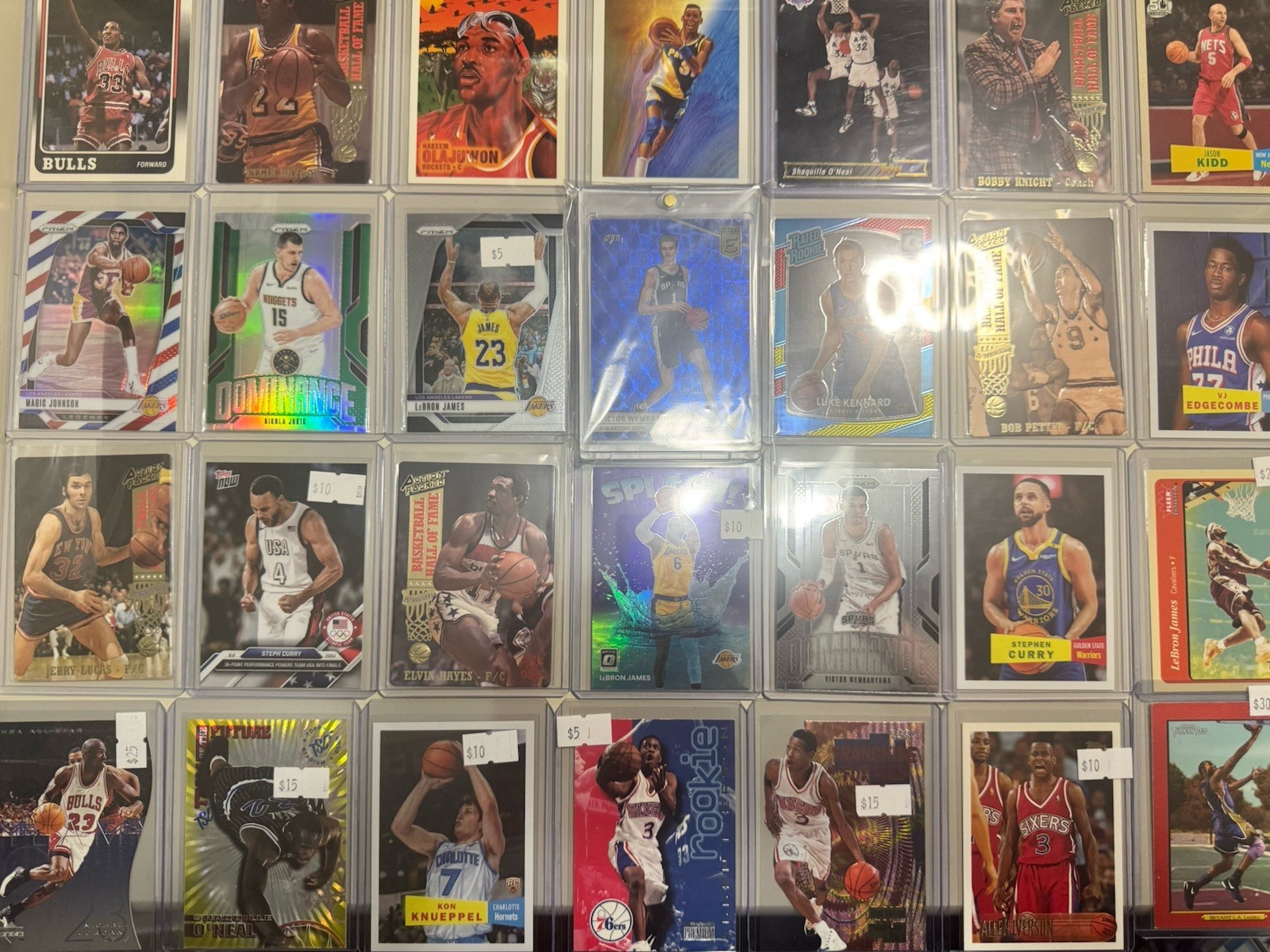
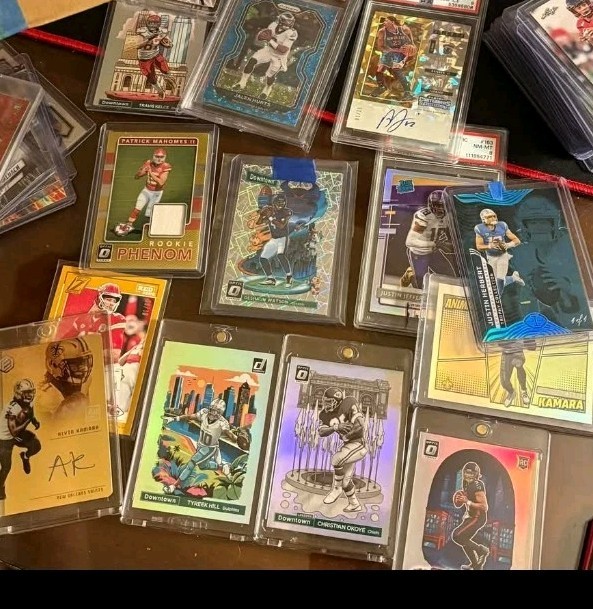

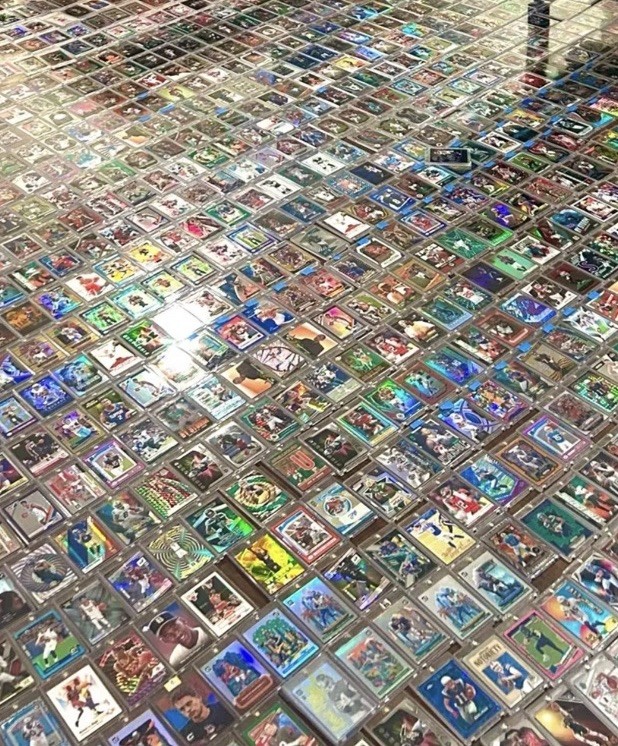

eBay links are affiliate links: JunkPal may earn a commission at no cost to you.
Resale values related to sealed product
Shop sealed product on eBay ↗
![Cubone [Tekno] #104](/api/images/junkpal-products/cards/cubone-tekno-104-pokemon-2000-topps-chrome-card/img0/thumb.webp)


JunkPal may earn a commission when you buy through eBay links, at no extra cost to you.
What’s worth the most
Ranked on medians of real closed eBay sales, not asking prices.