What does “sealed” mean?
What it means
"Sealed" in trading cards denotes product that remains in its factory-applied, unopened state. This includes individual booster packs, full boxes, or sealed complete sets. The core function of the seal is preservation; it guarantees that the cards inside have not been exposed to environmental damage, physical wear, or unauthorized tampering. This is distinct from "mint" or "near mint," which describe the condition of individual, loose cards. Sealed product is a commodity based on potential, not current condition.
What it does to price
Sealed product commands a significant premium over loose cards. For highly desirable, unopened sets, the multiplier can range from 2x to 10x or more compared to the average loose card value within that set, depending on scarcity. A sealed box of a highly anticipated rookie set might fetch $500, while the equivalent loose cards might only total $150. Price inflation is driven by the *chance* of pulling a high-value card. Factors that decrease value include visible box dents, heat damage to the packaging, or evidence of prior handling.
How to spot it
Verification requires inspecting the manufacturer's seal integrity. Look for unbroken foil seals, intact shrink wrap, and original, undamaged printing on the outer packaging. Common issues include "shelf wear" (minor scuffs on the box corners) which reduces value but doesn't void the seal, versus "seal breach" (a tear or puncture), which immediately renders the product worthless for sealed premiums. Sellers must provide high-resolution photos of the seals themselves, not just the box art.
Buying smart
Paying a premium for sealed product is justified when the set itself is historically significant, highly anticipated, or contains cards with established, high-end market value (e.g., rookie cards from a major debut). It is not worth the premium for obscure, low-demand sets where the potential payout is minimal. A fair deal involves comparing the sealed item's asking price against the known retail value of the *contents* if they were individually graded and sold, plus a reasonable premium for the sealed experience.
Selling smart
Listing sealed product requires absolute transparency regarding the packaging condition. The single most valuable element in a listing is a clear, well-lit photograph of the original manufacturer's seal, demonstrating it is unbroken. Using the term "Factory Sealed" or "Mint Sealed" in the title immediately signals the premium condition to serious buyers. Any ambiguity regarding the seal's integrity will lead to lower offers or buyer hesitation.
On eBay right now
Current asking prices from live listings — not sold-comp medians.

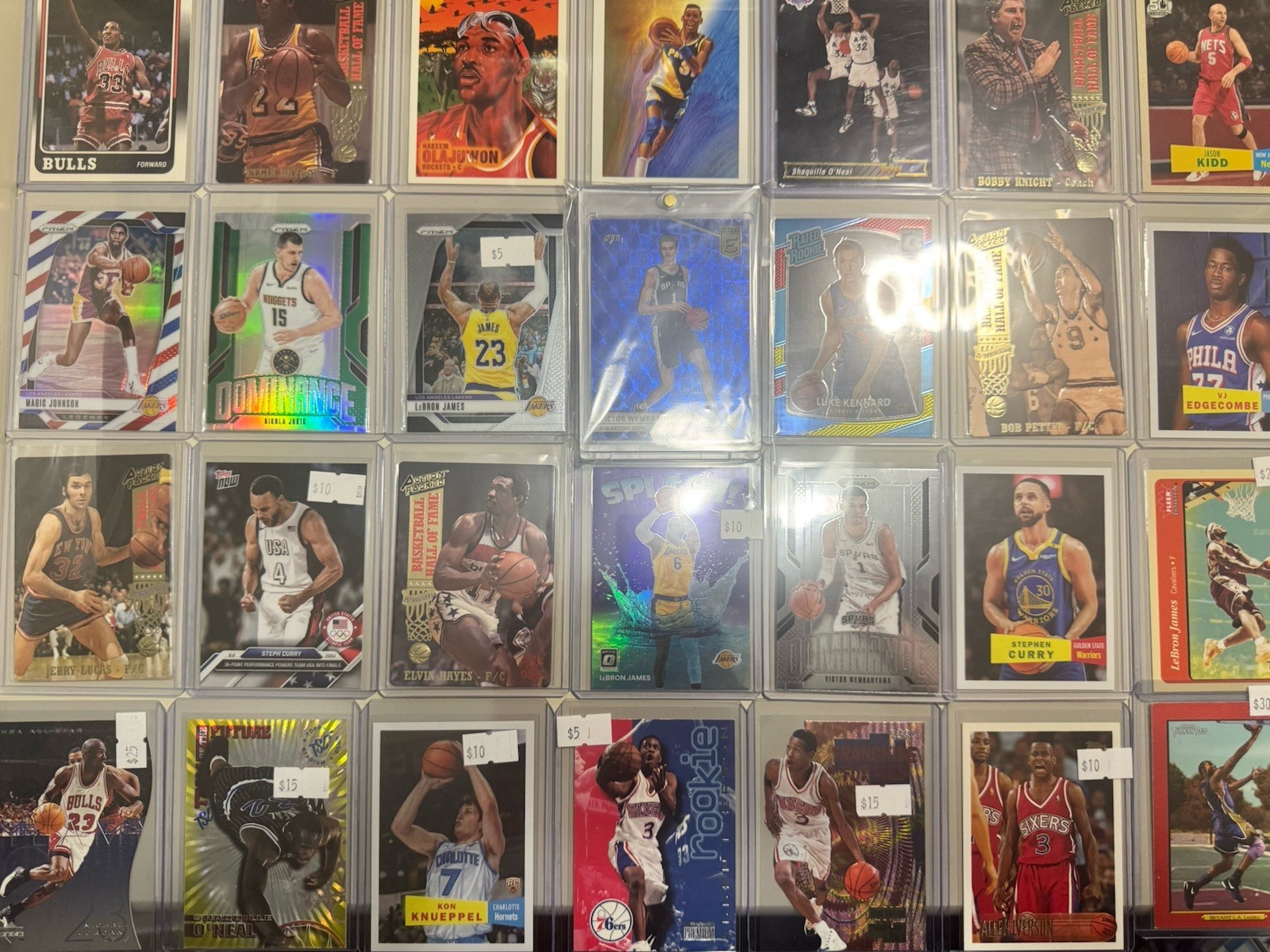
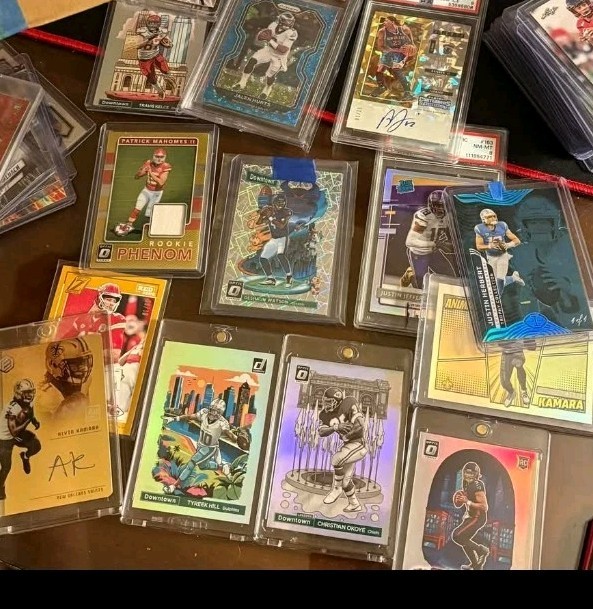


eBay links are affiliate links: JunkPal may earn a commission at no cost to you.
Resale values related to sealed
Shop sealed on eBay ↗


![Espeon [Gold Star] #16](/api/images/junkpal-products/cards/espeon-gold-star-16-pokemon-pop-series-5-card/img0/thumb.webp)
JunkPal may earn a commission when you buy through eBay links, at no extra cost to you.
What’s worth the most
Ranked on medians of real closed eBay sales, not asking prices.