What does “scuffing” mean?
What it means
Scuffing is superficial damage to the surface of a trading card. This damage manifests as light abrasions, fine scratches, or areas where the card's finish has been rubbed away. It is distinct from creases (sharp bends) or corner dings (damage to the edges). Scuffing is wear resulting from physical contact—handling, rubbing against other cards, or poor environmental storage. In grading terms, scuffing falls under surface wear, which is a key factor in determining a card's overall condition grade (e.g., moving a card from Near Mint to Lightly Played).
What it does to price
Scuffing directly reduces market value. The severity dictates the discount. A card with no visible scuffing commands the highest premium. A card with light, hairline scuffs might see a 15-30% reduction compared to a pristine copy. Moderate scuffing, where the damage is clearly visible under direct light, can cause a 40-60% drop. Heavy, widespread scuffing often relegates the card to a lower tier, sometimes making it unsellable at high-grade prices. For example, a sought-after rookie card graded PSA 10 might sell for $1,500, but the same card with noticeable scuffing might only fetch $750 loose.
How to spot it
Scuffs are best identified under strong, direct lighting, such as a desk lamp or daylight. Look closely at the card's surface, especially across large, flat areas. Scuffs often appear as faint lines or areas where the card's color saturation seems slightly disrupted or duller than the surrounding print. Sellers must provide high-resolution, close-up photos taken in bright, diffuse light. Be wary of sellers who only provide low-resolution photos; this is often an attempt to hide minor surface wear. Genuine scuffs are typically consistent with handling; fake damage is usually too uniform or looks like ink transfer.
Buying smart
Paying a premium for a card with visible scuffing is only justifiable if the card is otherwise flawless (e.g., perfect centering, sharp corners) and the damage is extremely minor—a single, hairline mark barely visible outside of direct light. If the scuffing is widespread or noticeable in a standard photograph, the price should reflect a significant discount. A fair deal for a card with light scuffing is one where the price is substantially below the established market rate for a flawless version. If the price difference between a graded copy and a loose copy with scuffs is less than 20%, the deal is likely poor.
Selling smart
When listing, honesty regarding scuffing is mandatory for successful sales. Do not attempt to hide it. If the card has scuffs, include a photo specifically highlighting the damage. Labeling the condition clearly (e.g., "Light Surface Wear," "Minor Scuffing Present") manages buyer expectations. This prevents returns and negative feedback. A clear disclosure allows the buyer to self-select based on their tolerance for wear. A buyer willing to pay a slight premium for a known, minor flaw is often more reliable than one who assumes perfection.
On eBay right now
Current asking prices from live listings — not sold-comp medians.
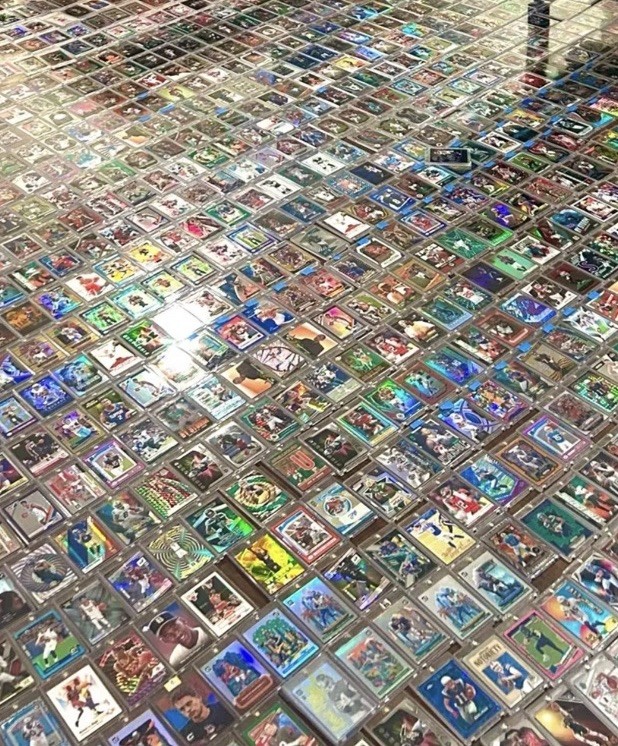
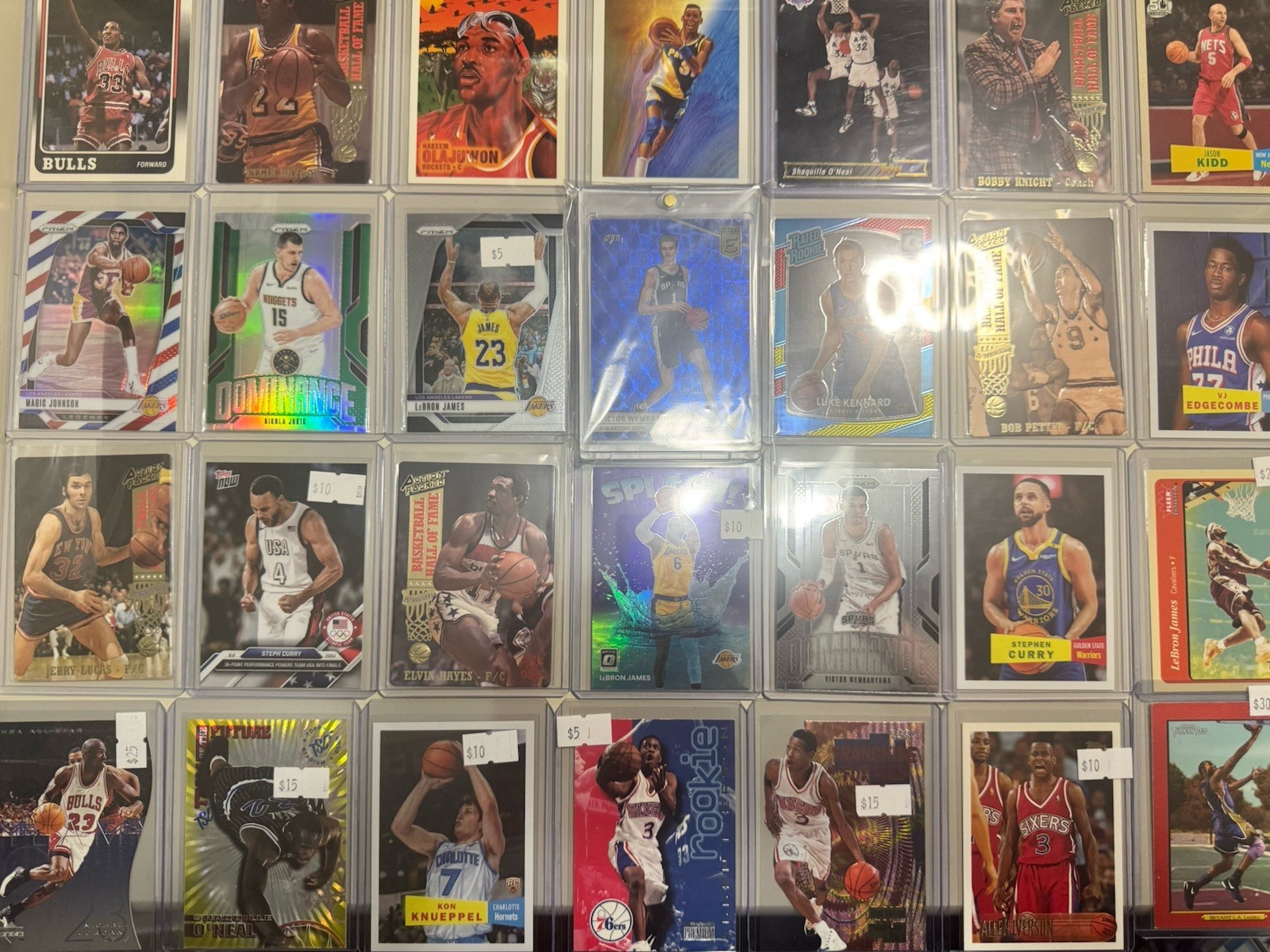

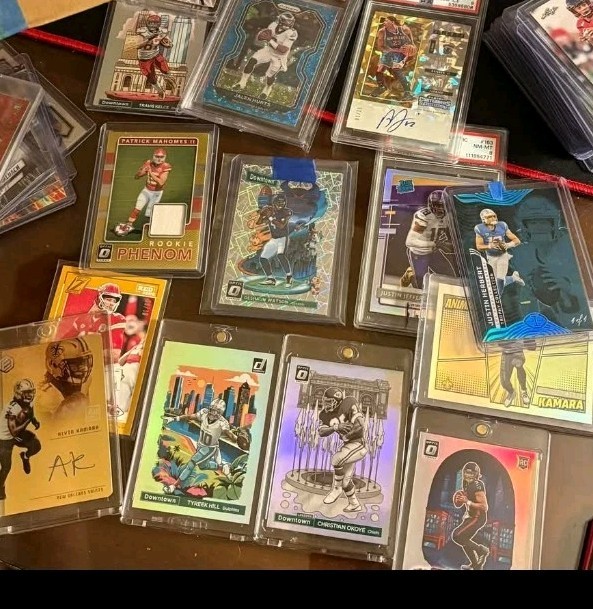


eBay links are affiliate links: JunkPal may earn a commission at no cost to you.
Resale values related to scuffing
Shop scuffing on eBay ↗
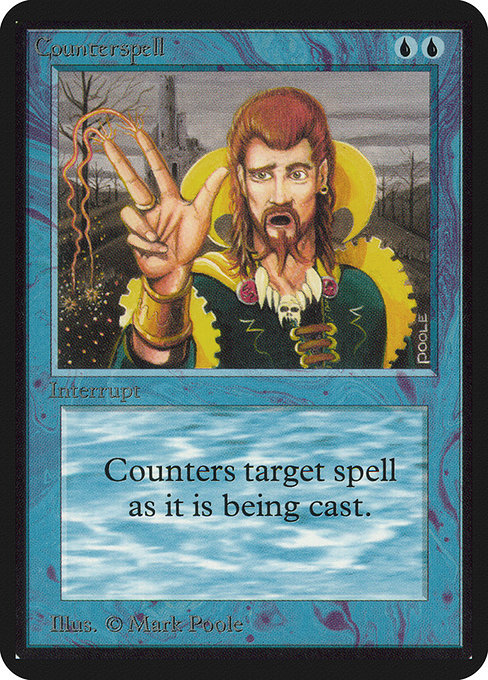
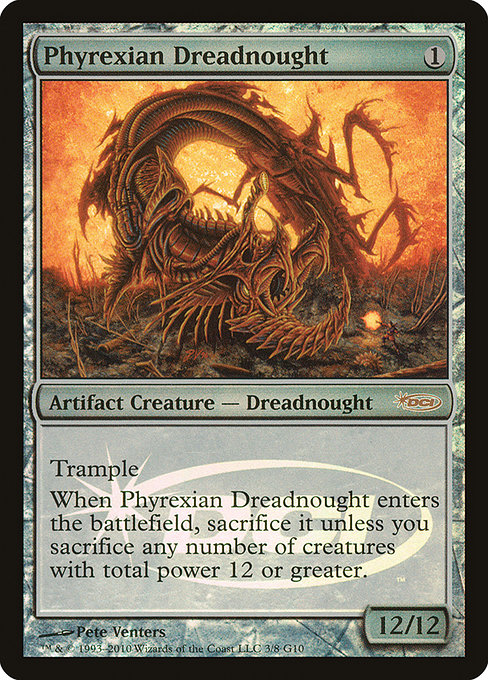
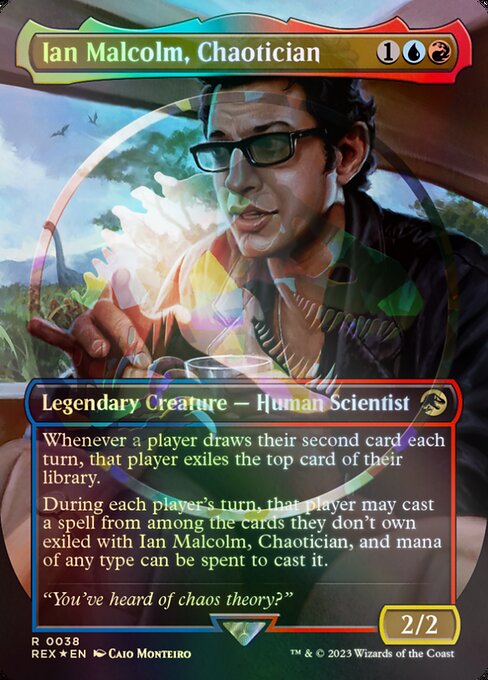
![Mr. Mime [Sparkle] #122](/api/images/junkpal-products/cards/mr-mime-sparkle-122-pokemon-2000-topps-chrome-card/img0/thumb.webp)


JunkPal may earn a commission when you buy through eBay links, at no extra cost to you.
What’s worth the most
Ranked on medians of real closed eBay sales, not asking prices.