What does “scratches” mean?
What it means
Scratches are visible abrasions, nicks, or surface damage on a trading card's surface. This damage is not limited to the printing; it includes scuffs, hairline gouges, and deeper gouges that disrupt the card's finish. In grading terms, these fall under "Surface Wear." While a minor surface scuff might be overlooked in a heavily worn card, a scratch on a high-grade example (e.g., PSA 10) is a critical flaw that immediately lowers the grade, often preventing a perfect score. The mainstream equivalent is cosmetic wear, but in card collecting, the *location* and *depth* of the scratch determine its severity.
What it does to price
The impact of scratches is inversely proportional to the card's intrinsic value (rarity/subject). For common cards, a scratch might reduce value by 10-20%. For high-end, scarce cards, even a single noticeable scratch can cause a drop of 30-50% or more from a perfect copy. A Near Mint (NM) card with minor, hairline scratches might sell for 60-75% of a Gem Mint (GM) copy. Conversely, a card that is otherwise perfect but has a single, deep scratch across the center might see its value drop by $50 or more on a high-value card, even if the card is otherwise flawless.
How to spot it
Scratches are best spotted under direct, bright light, ideally angled to catch the light across the surface. Examine the card against a white background. Look closely at the edges and corners, as wear often starts there, but center scratches are the most damaging. Sellers must provide high-resolution photos taken in natural light, not flash, to reveal these flaws. A common mistake is confusing print lines or texture variations with actual scratches; a true scratch will often appear as a distinct line interrupting the ink or foil pattern.
Buying smart
Paying a premium for a card with visible scratches is only justified when the card is extremely rare, and the scratches are microscopic and only visible under intense magnification. If the card is a mid-tier investment, paying more than 20% above the price of a comparable, unblemished copy is poor value. A fair deal for a scratched card is one where the discount accurately reflects the visual damage relative to the card's overall condition rating. If the seller claims it is "lightly worn" but the photos show heavy surface abrasion, the price is inflated.
Selling smart
Listing a card with scratches without disclosure is deceptive and invites returns or negative feedback. Disclosing the damage preemptively manages buyer expectations and prevents haggling over hidden flaws. The single most effective action is including a close-up, high-resolution macro photograph specifically showing the scratch. Labeling the condition clearly (e.g., "NM with minor surface scuffs") allows buyers to self-select based on their tolerance for wear, securing a faster, more accurate sale price.
On eBay right now
Current asking prices from live listings — not sold-comp medians.

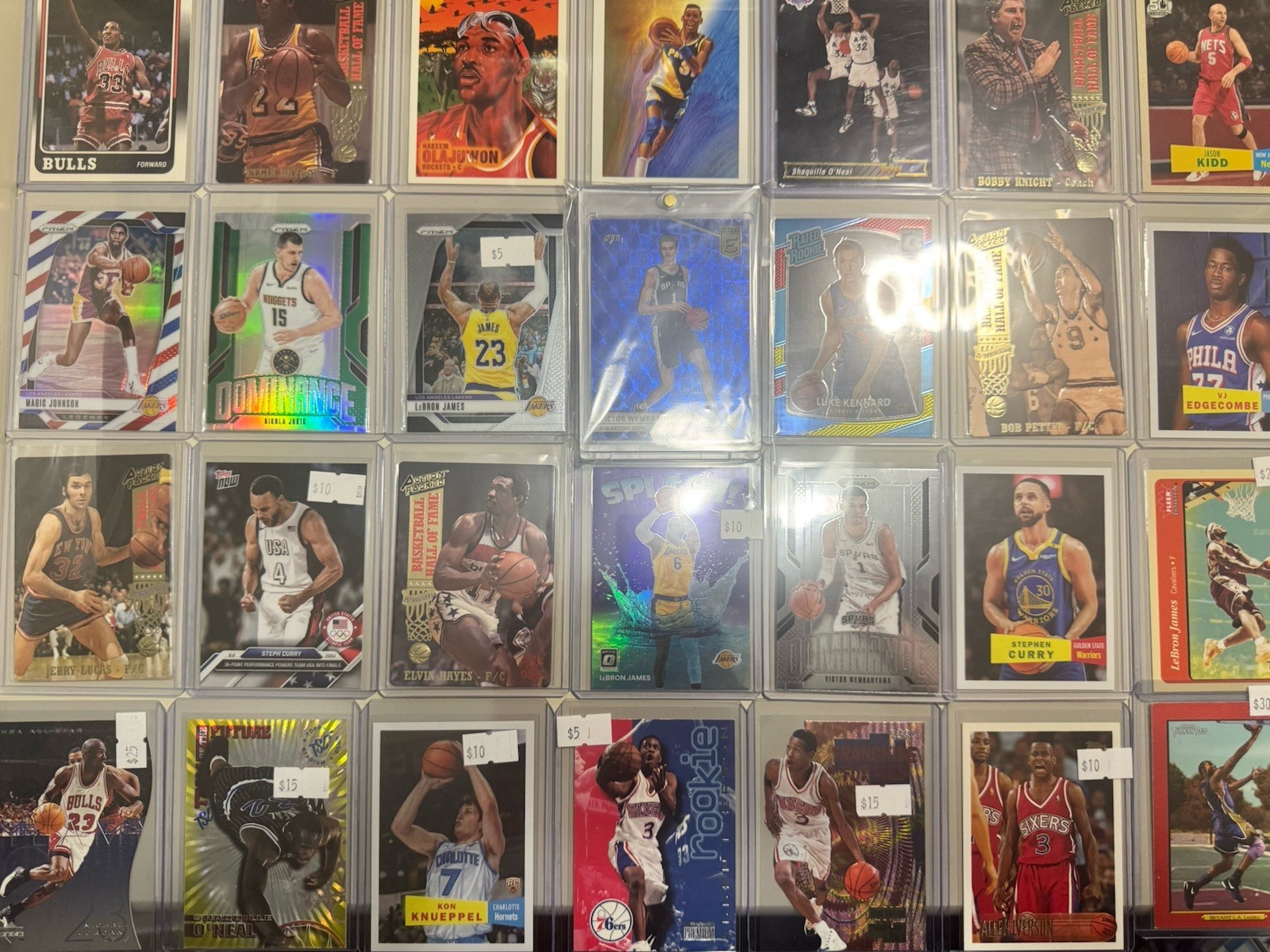
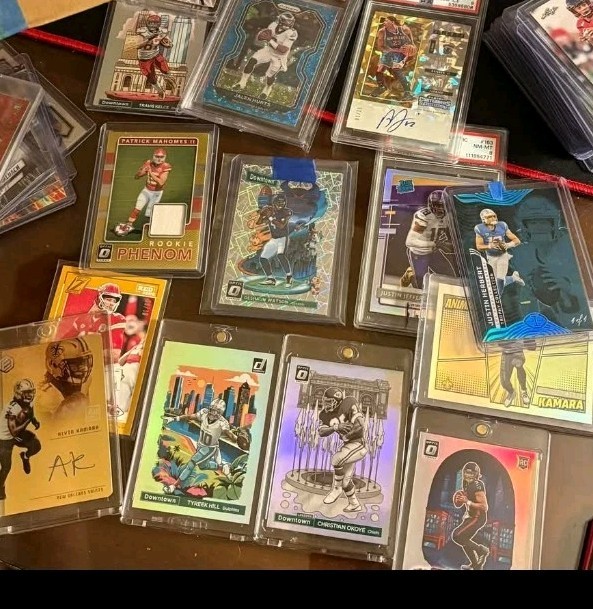


eBay links are affiliate links: JunkPal may earn a commission at no cost to you.
Resale values related to scratches
Shop scratches on eBay ↗
![Zapdos [Tekno] #145](/api/images/junkpal-products/cards/zapdos-tekno-145-pokemon-2000-topps-chrome-card/img0/thumb.webp)
![Charizard [Reverse Holo] #3](/api/images/junkpal-products/cards/charizard-reverse-holo-3-pokemon-legendary-collection-card/img0/thumb.webp)
![Charizard [Tekno] #6](/api/images/junkpal-products/cards/charizard-tekno-6-pokemon-2000-topps-chrome-card/img0/thumb.webp)

JunkPal may earn a commission when you buy through eBay links, at no extra cost to you.
What’s worth the most
Ranked on medians of real closed eBay sales, not asking prices.