What does “scratch” mean?
What it means
A scratch is any visible surface imperfection on a trading card. This includes abrasions, hairline lines, or scuffs across the card's face, corners, or edges. This term covers damage beyond minor handling wear. In grading terms, scratches are categorized as surface wear. They are not the same as print defects (ink issues) or structural damage (creases). A scratch is a physical mark on the card's laminate or print layer. For grading companies, even a minor scratch can prevent a card from achieving a Gem Mint (PSA 10) grade, typically dropping it to Near Mint (PSA 9) or lower, depending on visibility.
What it does to price
Scratches create a direct, negative correlation with market value. The severity dictates the drop. A card with one or two extremely faint, hairline scratches, barely visible under normal light, might sustain a 10-15% reduction from a perfect copy. However, a scratch that is easily visible, runs across a key image, or is prominent on the front surface can cause a 30-50% devaluation compared to a pristine version. For example, a popular rookie card graded PSA 10 might sell for $1,000, while the identical card with a noticeable scratch might sell for $650-$750 loose.
How to spot it
Inspection requires a strong, directional light source. Hold the card at an angle to catch light reflecting off the surface imperfections. Scratches appear as thin, linear disruptions in the card's surface texture or print registration. Examine the card under magnification if available. Sellers should provide high-resolution photos taken in bright, direct light, specifically focusing on the areas where scratches are suspected. Be wary of sellers who claim "perfect condition" but refuse high-detail photos; this often masks minor surface damage.
Buying smart
Paying a premium for a card with visible scratches is only justified when the card's scarcity or overall market demand is exceptionally high, and the scratches are microscopically minor. If the card is common or has moderate market appeal, the cost savings from buying a lower-grade copy are significant. A fair deal for a scratched card involves a discount that reflects the grade drop it will incur. If the difference between a pristine copy and a scratched copy is $200, the buyer should expect at least a 25-35% discount on the scratched version.
Selling smart
Transparency is the primary driver of a successful sale when scratches are present. Listing the specific location and severity of the scratch—e.g., "Hairline scratch on upper left quadrant of front"—manages buyer expectations and prevents disputes. Do not attempt to hide them. The one photo that earns a premium (or prevents a return) is a close-up, high-resolution shot of the scratch itself, taken under bright light. This honest documentation allows buyers to self-assess the damage and pay the appropriate price, leading to faster, smoother transactions.
On eBay right now
Current asking prices from live listings — not sold-comp medians.

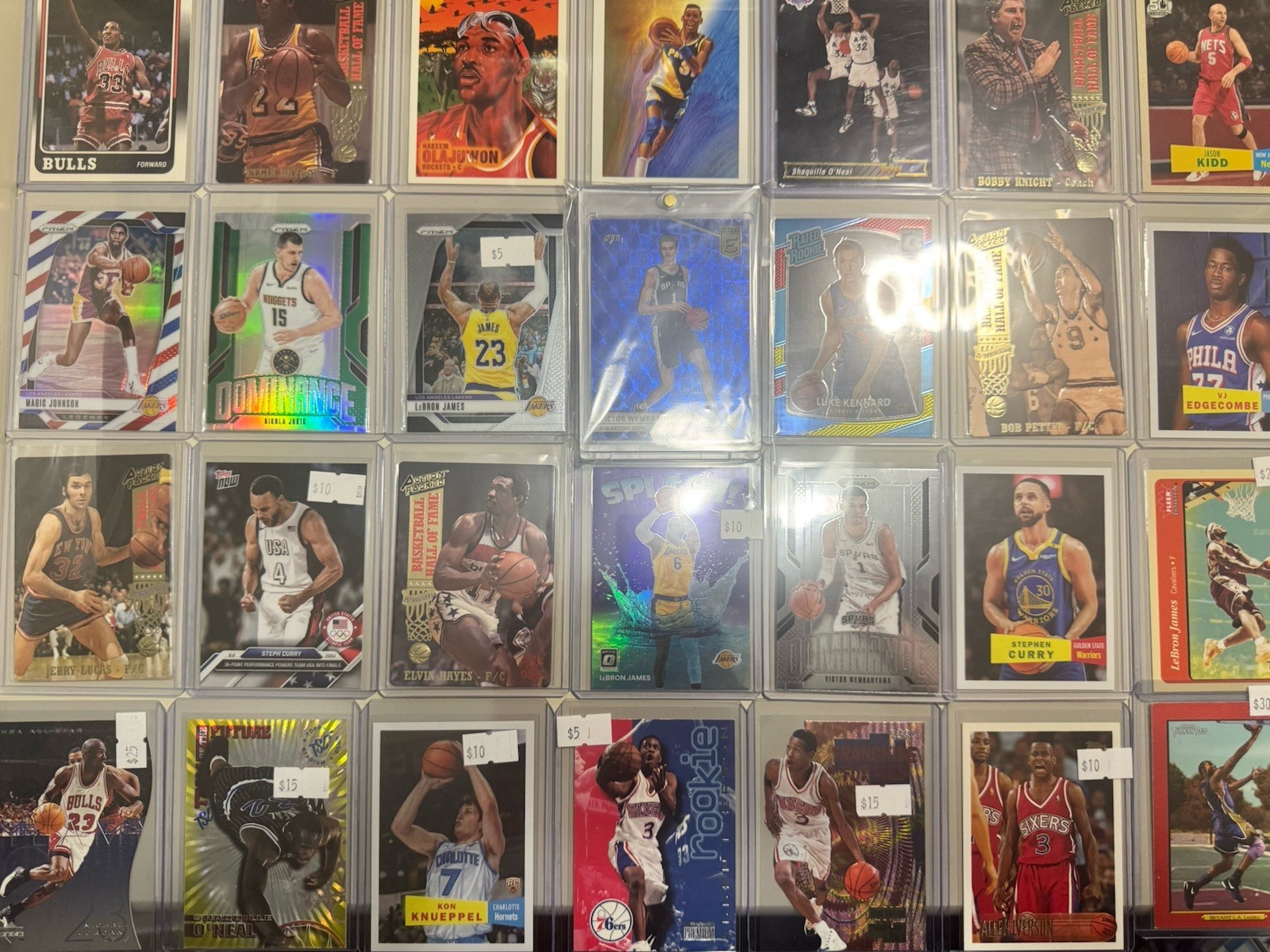
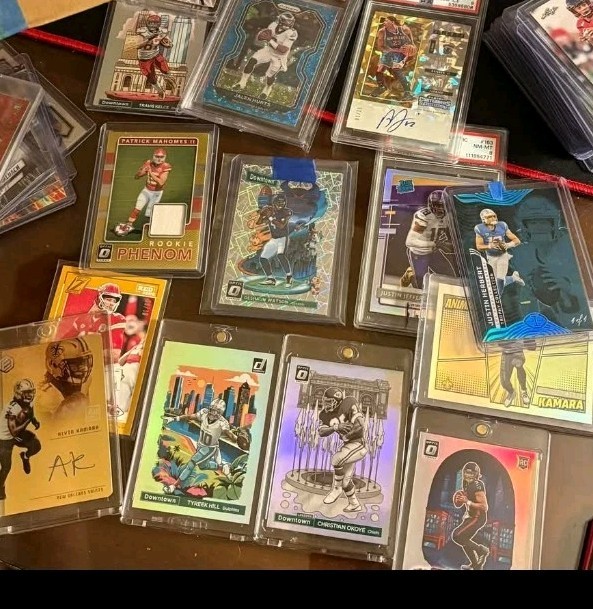


eBay links are affiliate links: JunkPal may earn a commission at no cost to you.
Resale values related to scratch
Shop scratch on eBay ↗![Cubone [Tekno] #104](/api/images/junkpal-products/cards/cubone-tekno-104-pokemon-2000-topps-chrome-card/img0/thumb.webp)
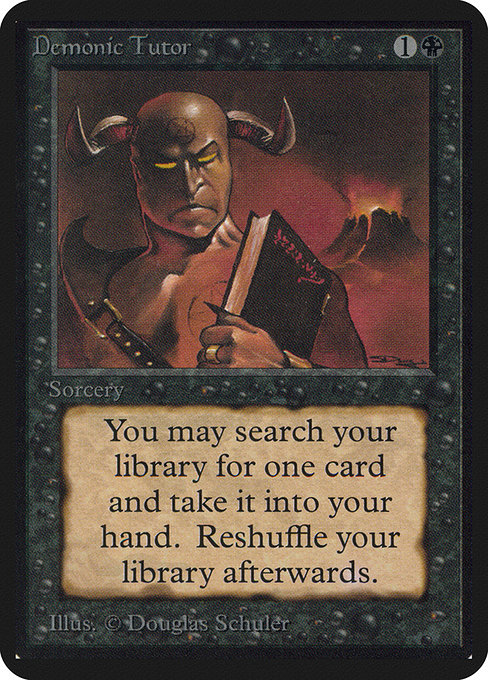
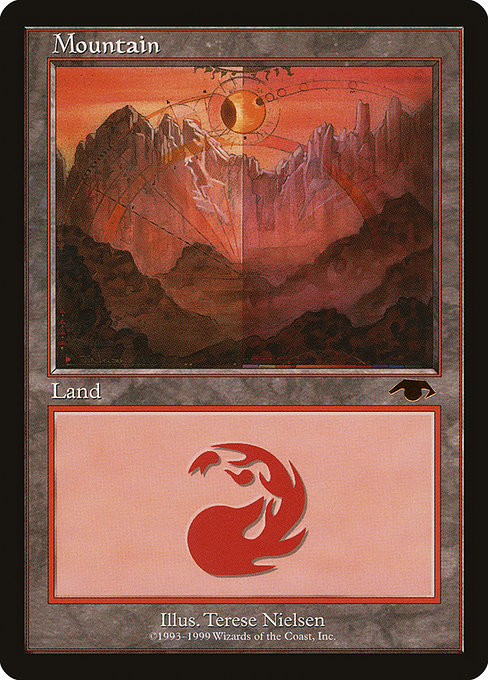


JunkPal may earn a commission when you buy through eBay links, at no extra cost to you.
What’s worth the most
Ranked on medians of real closed eBay sales, not asking prices.