What does “sales velocity” mean?
What it means
Sales velocity in trading cards is the rate of transaction volume for a specific card or set within a defined timeframe. It quantifies how fast units are moving from seller to buyer. This is a direct measure of current market demand. High velocity means the card is actively being purchased by the collecting community right now. For resellers, this indicates immediate liquidity—the ability to convert inventory into cash quickly. For collectors, it signals which cards are trending or experiencing a temporary spike in interest. It is the trading equivalent of "hotness" in the market.
What it does to price
Sales velocity directly supports price floors and ceilings. High velocity validates a card's current market value, allowing sellers to command a premium. Low velocity suggests the market is saturated or interest has waned, requiring lower pricing to move inventory. A card with consistently high velocity might support a 20-30% premium over its average sales price when listed during a peak demand window. Conversely, a card with low velocity might require a 10-15% discount just to achieve a quick sale. For example, a common chase card seeing high velocity might sell for $15, while the same card with low velocity might only move for $12.
How to spot it
Velocity is spotted by tracking recent sales data across major marketplaces, not just asking sellers. Look for high listing frequency coupled with rapid "sold" notifications. Specific tells include: sudden spikes in searches for a particular card name, or a flurry of listings for a specific variant (e.g., "Chrome Parallel" vs. "Base"). When assessing a specific card, examine the condition reports on recent sales. A sudden influx of sales for a specific grade (e.g., PSA 10s) indicates that the market is currently valuing that grade highly for that card. Common mistakes include listing a card without noting the specific parallel or edition, which can artificially depress perceived velocity.
Buying smart
Paying a premium based on high sales velocity is worthwhile when the velocity is driven by genuine, sustained collector interest (e.g., a major set release or a known chase card). It is not worth the premium if the velocity spike is based on hype or a single, isolated large purchase. A fair deal involves comparing the asking price against the last 10-15 sales records for that specific card/condition combination. If the asking price is more than 1.5 times the average recent sale price, caution is warranted unless the seller can prove the card is in exceptional, verifiable condition.
Selling smart
Proving high velocity in a listing translates directly into buyer confidence and willingness to pay a premium. The most effective element is providing verifiable proof of recent market activity. A simple statement like "High Demand Item - Active Market" is weak. Instead, include a photo of a recent, high-value sale listing from a competitor or a screenshot showing the card's listing history on a major platform. The single most effective word to earn a premium is "Verified" when paired with a recent, high-grade sales receipt. This signals the item is not speculative inventory but part of a proven, moving asset.
On eBay right now
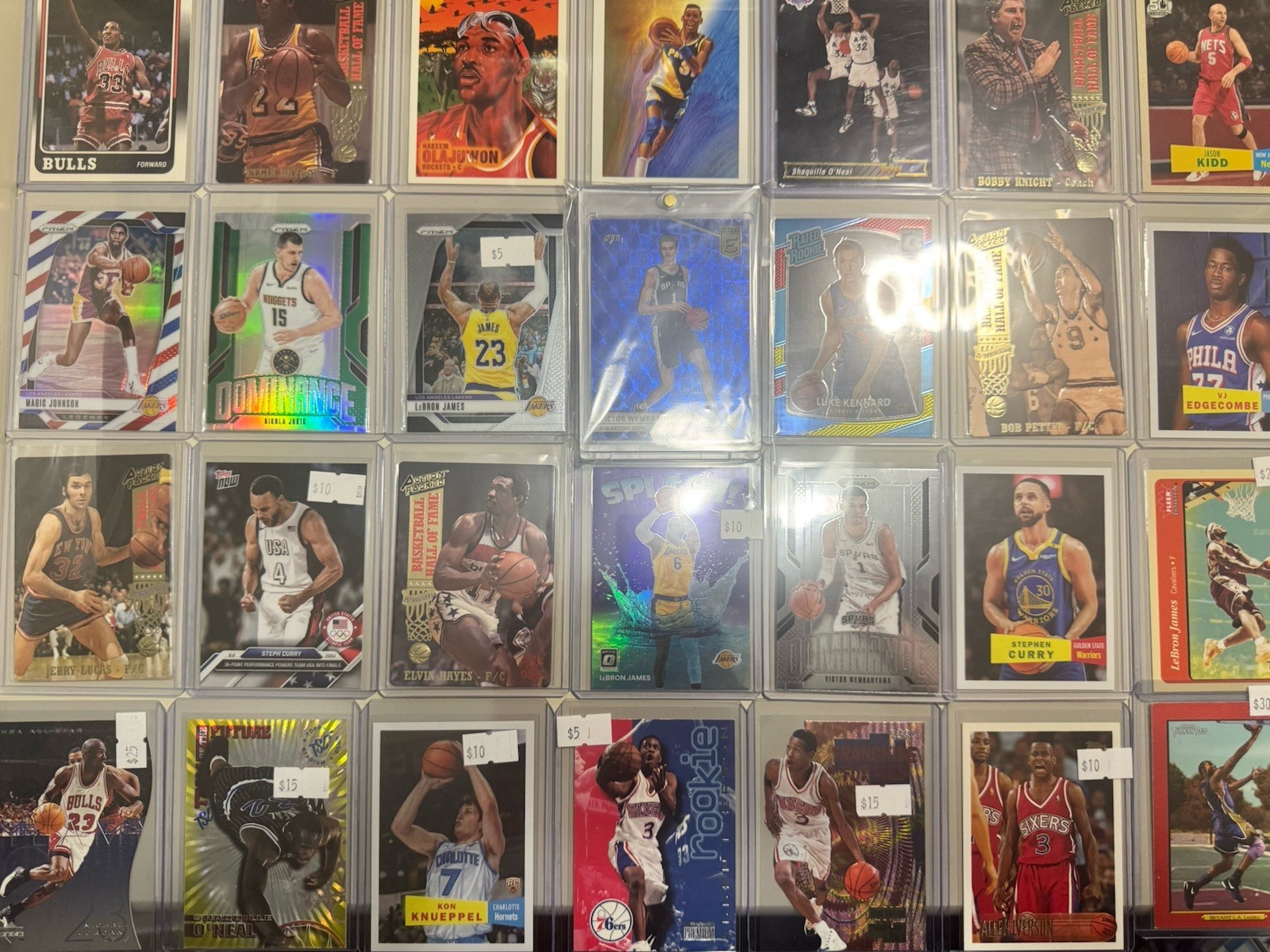
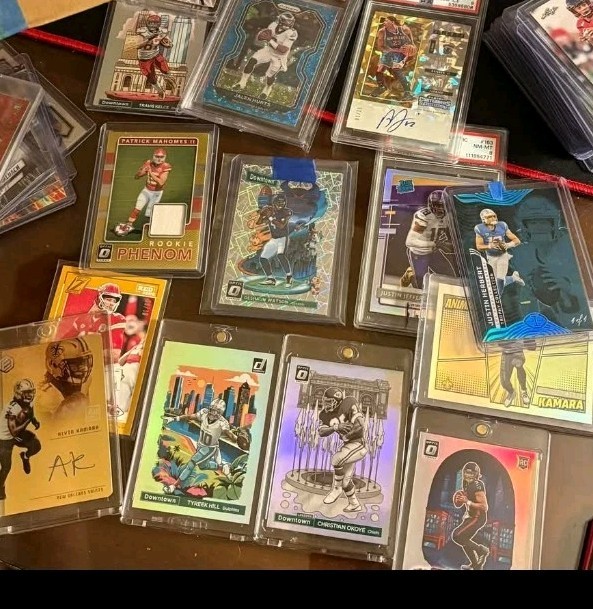
Current asking prices from live listings — not sold-comp medians.



eBay links are affiliate links: JunkPal may earn a commission at no cost to you.
Resale values related to sales velocity
Shop sales velocity on eBay ↗![Vaporeon [Sparkle] #134](/api/images/junkpal-products/cards/vaporeon-sparkle-134-pokemon-2000-topps-chrome-card/img0/thumb.webp)
![Flareon [Tekno] #136](/api/images/junkpal-products/cards/flareon-tekno-136-pokemon-2000-topps-chrome-card/img0/thumb.webp)


![Mew [Sparkle] #151](/api/images/junkpal-products/cards/mew-sparkle-151-pokemon-2000-topps-chrome-card/img0/thumb.webp)
![Exeggutor [Tekno] #103](/api/images/junkpal-products/cards/exeggutor-tekno-103-pokemon-2000-topps-chrome-card/img0/thumb.webp)
JunkPal may earn a commission when you buy through eBay links, at no extra cost to you.
What’s worth the most
Ranked on medians of real closed eBay sales, not asking prices.