What does “retro” mean?
What it means
"Retro" in trading cards denotes material from significantly earlier production runs than current market staples. It is not merely "old"; it implies a specific, recognized cultural period. While the short definition correctly points to the 1980s, 1990s, and early 2000s, the term needs refinement. It is a broad category encompassing anything predating the current major wave of modern releases. The mainstream equivalent is "vintage" or "classic," but "retro" often carries a stronger, more immediate nostalgic pull for the casual buyer. For serious collectors, "retro" is a placeholder for a specific, desirable era, not a blanket term for all aged cards.
What it does to price
The "retro" designation acts as a demand multiplier, not a direct value indicator. A common, mid-tier retro card (e.g., a 1990s base card) in Near Mint condition can fetch 2x to 5x the price of a modern equivalent of similar perceived rarity. Price inflation is driven by nostalgia and scarcity perception. A high-grade, sealed retro product (e.g., a 1998 booster box) can command multipliers of 10x or more over its component card value. Conversely, heavily damaged retro cards suffer steep discounts, often trading at 10-20% of their loose-card value due to the high expectation set by the category.
How to spot it
Identifying retro material requires checking the set year, not just the aesthetic. Look for specific card stock textures, printing methods, and card back designs unique to those decades. Early 90s cards often feature specific holographic foils or matte finishes distinct from modern gloss. Sellers must provide the exact set name and year. Common pitfalls include mislabeling modern reprints as "retro" or confusing an older, lower-tier set with a highly sought-after mainline release. Requesting the card's original packaging or an image of the set checklist is a reliable verification step.
Buying smart
Paying a premium for a retro card is justified when the card is a key piece of a known, culturally significant set, or when it is in high-grade condition. If the card is a common pull from a low-profile set, the premium is likely inflated and not worth the investment. A fair deal involves comparing the specific set's established secondary market value against the asking price. If a card is listed as "retro" but lacks verifiable set information, the risk is too high; the price should be negotiated down significantly until the era and set are confirmed.
Selling smart
Listing must eliminate ambiguity. Replacing "retro" with the exact year and set name (e.g., "1997 Topps Finest") immediately qualifies the item for serious buyers. This specificity allows the seller to benchmark against established sales data, justifying a higher price. The single most valuable addition to a listing is a clear, high-resolution photo of the card's *reverse* (the back). This confirms the set branding, printing batch, and verifies the era, instantly validating the premium associated with the "retro" category.
On eBay right now
Current asking prices from live listings — not sold-comp medians.

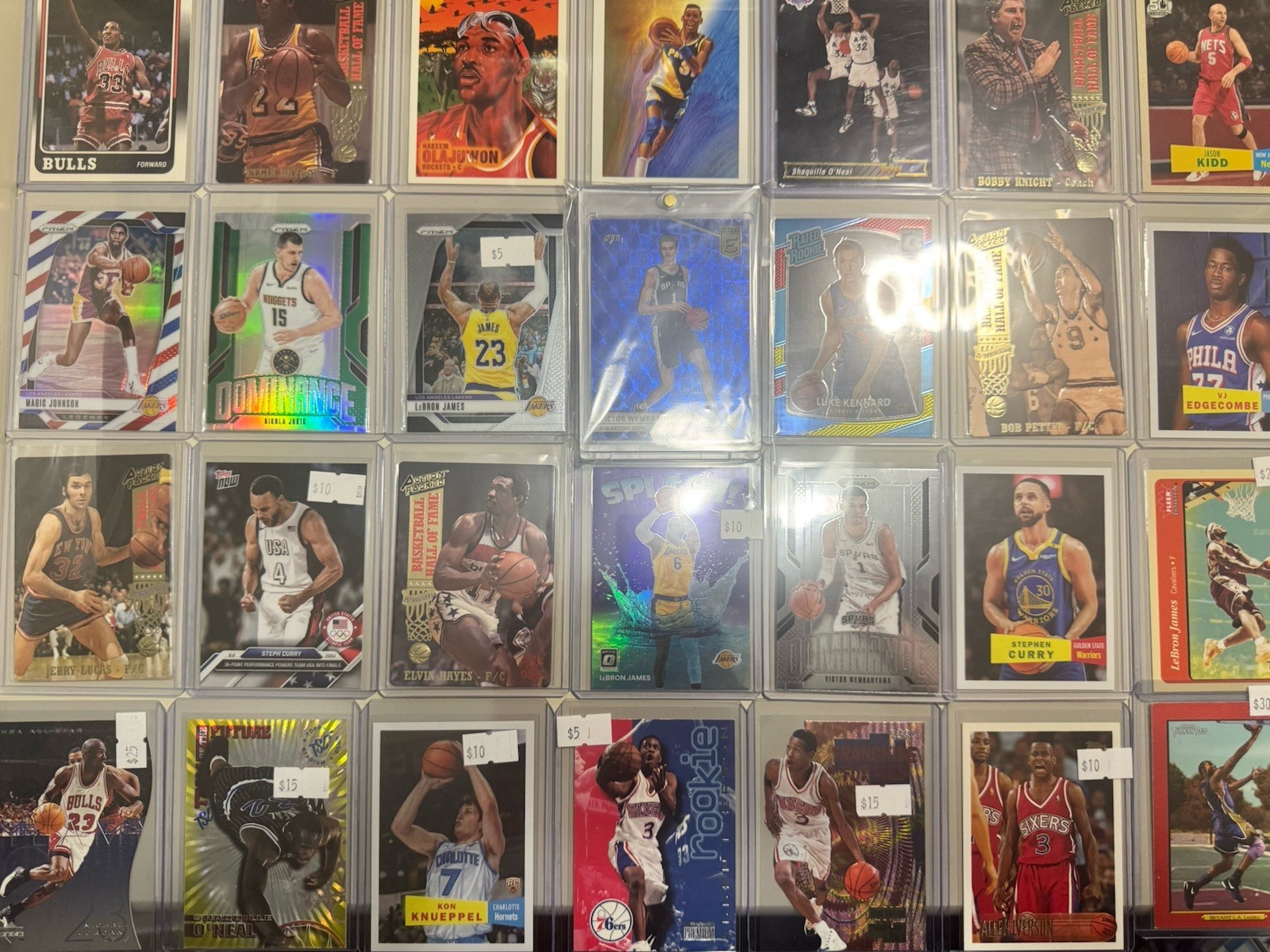
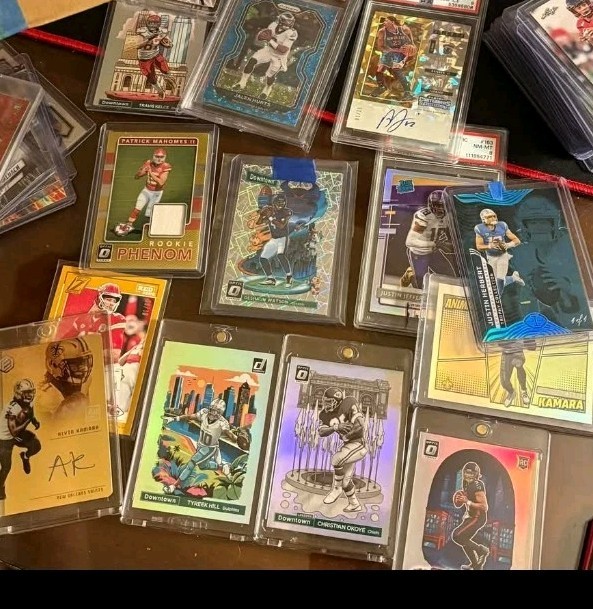

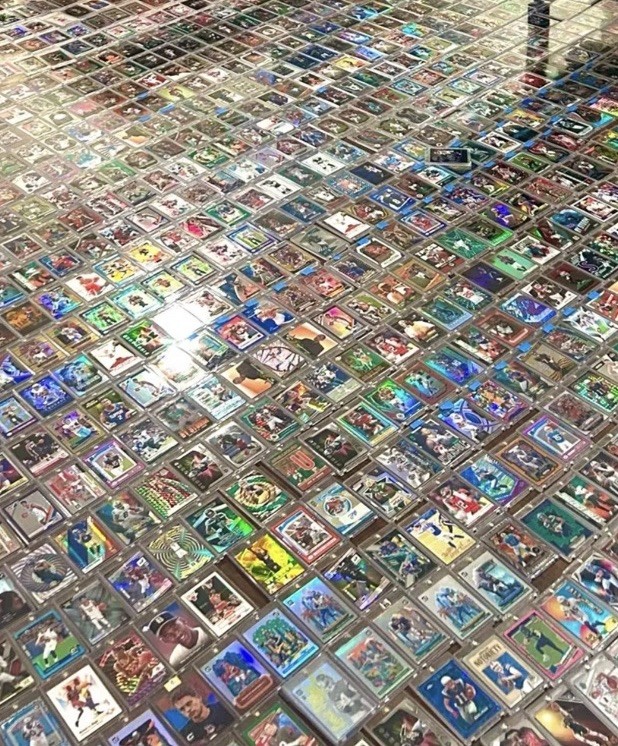

eBay links are affiliate links: JunkPal may earn a commission at no cost to you.
Resale values related to retro
Shop retro on eBay ↗![Pikachu [Reverse Holo] #86](/api/images/junkpal-products/cards/pikachu-reverse-holo-86-pokemon-legendary-collection-card/img0/thumb.webp)

![Cubone [Tekno] #104](/api/images/junkpal-products/cards/cubone-tekno-104-pokemon-2000-topps-chrome-card/img0/thumb.webp)

JunkPal may earn a commission when you buy through eBay links, at no extra cost to you.
What’s worth the most
Ranked on medians of real closed eBay sales, not asking prices.