What does “retail value” mean?
What it means
Retail value is the Manufacturer's Suggested Retail Price (MSRP) or the typical price a card sells for directly from an authorized retailer at the time of its initial release. This is distinct from secondary market value, which reflects current collector demand, scarcity, and grading. Retail value is the baseline price set by the producer. It does not account for current market inflation or collector frenzy. For resellers, it establishes the starting point for assessing market performance. A card selling far above its retail value is trading on collector premium; selling below suggests market saturation or low initial demand.
What it does to price
Retail value acts as a floor, but rarely the ceiling. A common scenario is a high-demand, low-print run card where the secondary market value can be 5x to 20x the retail value. Conversely, common, mass-produced cards often sell for 0.5x to 1x their retail value on the secondary market due to oversupply. Condition is the primary multiplier. A Near Mint (NM) copy might fetch 1.5x the retail value, while a heavily played, poor-condition copy might sell for 0.2x the retail value. For example, if a card had a retail value of \$1.00, a graded PSA 10 might sell for \$50.00, demonstrating a massive premium over the initial retail price.
How to spot it
Retail value is often hard to find post-release unless the card was a major chase item. Check original product packaging listings or manufacturer archives for the initial MSRP. The tell for inflated secondary market value is consistent, high-volume sales data across multiple platforms, not just one outlier sale. To verify authenticity and condition against the intended retail standard, request high-resolution photos showing all four edges and corners. Watch for print variations or specific serial numbering if applicable to the set. Common errors include misidentifying a common parallel as a rare insert, which drastically alters the perceived value relative to its retail baseline.
Buying smart
Paying a premium above retail value is justifiable only when the secondary market demand is proven and sustained. This is true for highly sought-after, scarce parallels or rookie cards from major players. If the current market price is only 1.2x the retail value, the premium is likely minor and acceptable. If the price is 5x or more, the buyer must confirm the card's scarcity is genuine and not hype-driven. A fair deal usually sits between 1.5x and 3x the retail value for a solid, graded copy, unless the card is a proven, generational chase item.
Selling smart
Proving the card’s condition relative to its retail potential increases buyer confidence and justifies a higher asking price. Listing the original retail value in the description provides context for the buyer, framing the current asking price as a "collector premium" rather than an arbitrary markup. The one element that earns the premium is a professional, high-grade certification (e.g., PSA 10, BGS 9.5). A graded card instantly validates the condition, allowing the seller to command a price significantly higher than a raw copy, even if the raw copy is technically in the same condition.
On eBay right now
Current asking prices from live listings — not sold-comp medians.



eBay links are affiliate links: JunkPal may earn a commission at no cost to you.
Resale values related to retail value
Shop retail value on eBay ↗
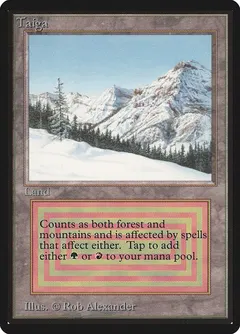


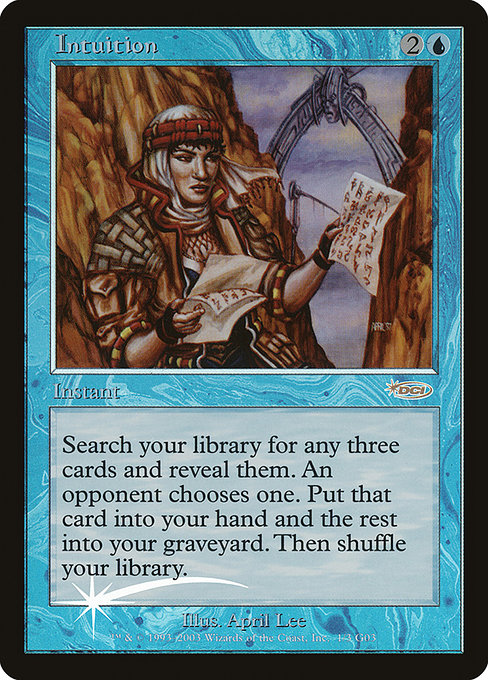



JunkPal may earn a commission when you buy through eBay links, at no extra cost to you.
What’s worth the most
Ranked on medians of real closed eBay sales, not asking prices.