What does “resale value” mean?
What it means
Resale value is the estimated market price for a trading card at the moment of transaction. It is not a static appraisal but a dynamic reflection of current market forces. The core drivers are supply (how many copies exist), demand (how many people want it), rarity (how scarce it is), and condition. For the reseller, this dictates profitability. The mainstream equivalent is market value, but in card collecting, the condition factor is so dominant it functions as a primary multiplier on the base value.
What it does to price
Condition dictates value exponentially. A card graded PSA 10 (Gem Mint) can fetch 5x to 20x the price of an ungraded Near Mint (NM) copy of the same card. A standard, common card might sell for \$1.00 loose, but if it is a highly sought-after rookie card in a pristine, graded PSA 10, the resale value could easily exceed \$500. Conversely, minor surface wear—like corner whitening or light print lines—can reduce value by 30% to 60% instantly. A card with a small crease, even if otherwise perfect, will see a significant drop in resale value compared to a factory-fresh copy.
How to spot it
Value assessment requires scrutiny of the card itself. Check for print inconsistencies; misprints or color variations are immediate value boosters. Examine the edges and corners under magnification for rounding or chipping. For modern cards, verify the specific production run or edition marker, as some sets have limited print runs. Always request high-resolution, well-lit photos showing the front, back, and edges. Common pitfalls include misidentifying a common parallel as a rare insert, or failing to notice subtle centering issues that drastically reduce top-tier grading value.
Buying smart
Paying a premium is justified when the card possesses verifiable scarcity and top-tier condition. If a card is a confirmed 1/1 (one-of-one) or a highly limited parallel, the premium is warranted. A fair deal involves comparing the seller's asking price against the last three *completed* sales for that exact card/condition combination on major sales platforms. If the asking price is 40% higher than the average recent sale price, the premium is likely inflated, regardless of the seller's perceived value.
Selling smart
To maximize return, the listing must eliminate buyer doubt regarding condition and authenticity. Professional grading (PSA, BGS, CGC) is the ultimate proof of value; a graded card automatically commands a higher price floor. If grading is unavailable, the seller must provide macro photography clearly showing the card's edges and surface under bright, direct light. The single most effective word in a listing description is "Graded," or if ungraded, "Mint Condition Verified," as this shifts the transaction from speculative guesswork to documented asset sale.
On eBay right now
Current asking prices from live listings — not sold-comp medians.


eBay links are affiliate links: JunkPal may earn a commission at no cost to you.
Resale values related to resale value
Shop resale value on eBay ↗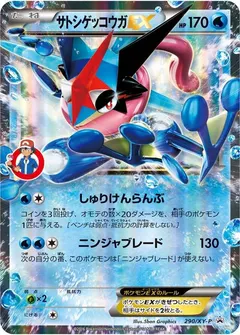
![Gengar [Prerelease Staff] #SWSH241](/api/images/junkpal-products/cards/gengar-prerelease-staff-swsh241-pokemon-promo-card/img0/thumb.webp)

![Tropical Tidal Wave [Worlds 05]](/api/images/junkpal-products/cards/tropical-tidal-wave-worlds-05-pokemon-japanese-promo-card/img0/thumb.webp)

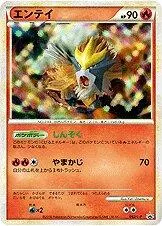
JunkPal may earn a commission when you buy through eBay links, at no extra cost to you.
What’s worth the most
Ranked on medians of real closed eBay sales, not asking prices.