What does “reprint” mean?
What it means
A reprint is a subsequent production run of a trading card that was previously released. This is distinct from a "reissue," which often implies a complete repackaging of an old set under a new brand or theme. A reprint can be identical to the original, a corrected version (fixing a known printing error), or a variation (a different parallel, foil treatment, or specific promotional insert). For the reseller, the key distinction is whether the reprint is a standard re-release or a deliberately scarce, high-demand variant.
What it does to price
Generally, a standard, identical reprint holds less value than the original first printing, often commanding 20-50% less in loose condition unless the original print run was notoriously small. Price increases occur when the reprint is a high-tier variant (e.g., a "Gold Parallel" reprint of a rare card) or when it corrects a major, widely documented error. A corrected version might see a 1.5x to 2x price bump over the flawed original. Conversely, an uncorrected, mass-produced reprint will see value stagnation or decline. For example, a common base card reprint might sell for $0.50, whereas the original first print might fetch $1.50.
How to spot it
Identifying a reprint requires detailed comparison. Check the set numbering; reprints often use a different production code or a subsequent year designation, even if the card art is identical. Look for subtle differences in the card stock texture, the specific foil application, or the back design print quality. If the card is a known error correction, the correction itself will be documented in collector guides. Sellers should provide high-resolution photos of the card edges and the back to verify print consistency against known originals.
Buying smart
Paying a premium for a reprint is justified only when the reprint offers a verifiable advantage: it is a scarce, limited-run variant, or it corrects a significant, value-impacting flaw. Do not pay a premium for a standard, identical re-release of a common card. A fair deal on a standard reprint is usually within 10-20% of the original first-print price, reflecting minor market interest rather than inherent scarcity. If the premium exceeds 50% for an identical copy, the risk is high.
Selling smart
Proving the card’s status dictates the selling price. If the card is a standard reprint, list it clearly as such to manage buyer expectations and avoid price haggling. If it is a corrected or high-demand variant reprint, the listing must explicitly state the variant designation (e.g., "Reprint - Error Corrected"). The single most valuable piece of evidence in a listing is a clear, close-up photo showing the specific set identifier or unique serial number that distinguishes it from the original release.
On eBay right now
Current asking prices from live listings — not sold-comp medians.

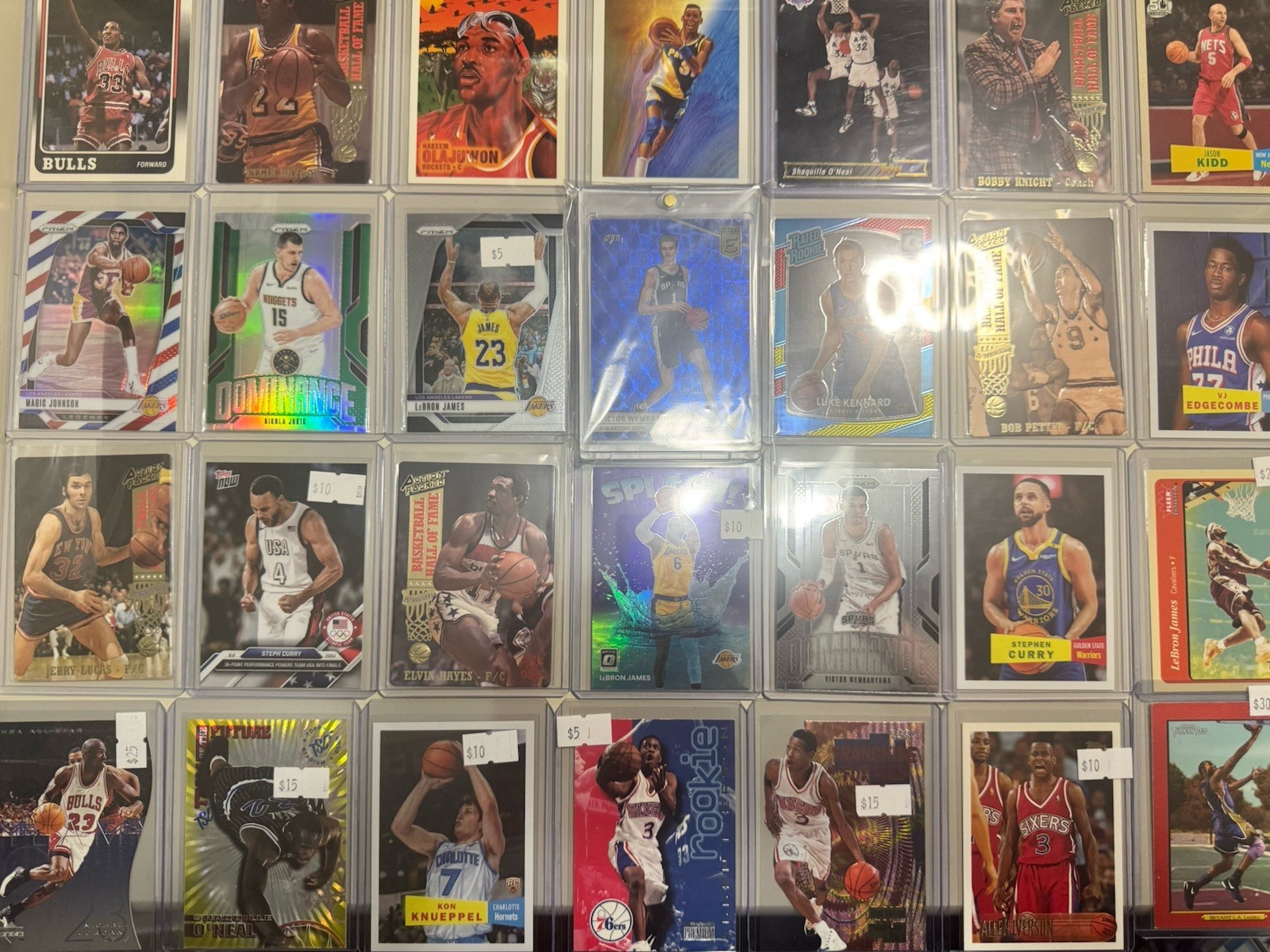
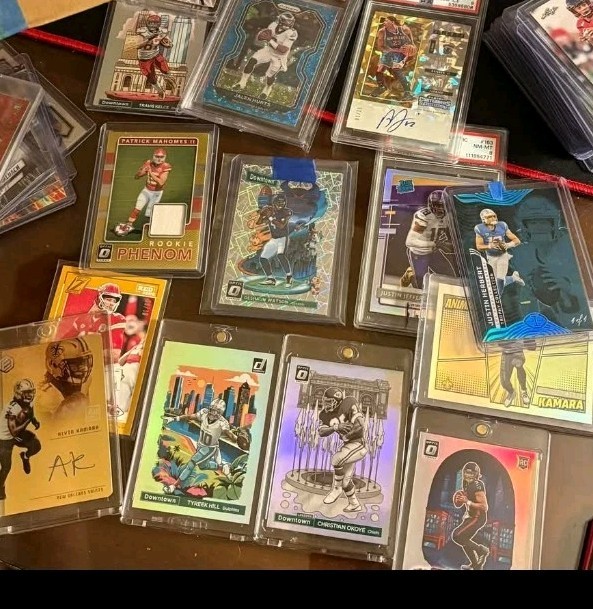

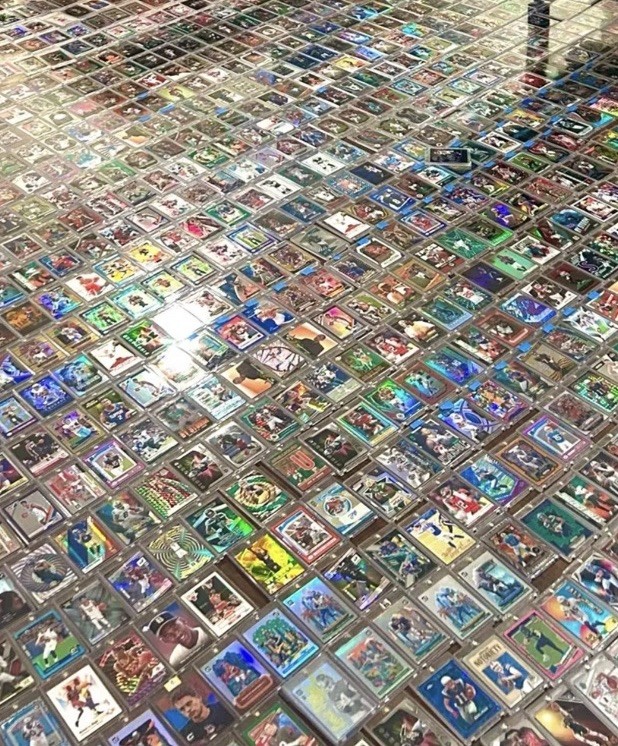

eBay links are affiliate links: JunkPal may earn a commission at no cost to you.
Resale values related to reprint
Shop reprint on eBay ↗![Dark Dragonite [Reverse Holo] #5](/api/images/junkpal-products/cards/dark-dragonite-reverse-holo-5-pokemon-legendary-collection-card/img0/thumb.webp)
![Magikarp [Sparkle] #129](/api/images/junkpal-products/cards/magikarp-sparkle-129-pokemon-2000-topps-chrome-card/img0/thumb.webp)
![Psyduck [Reverse Holo] #88](/api/images/junkpal-products/cards/psyduck-reverse-holo-88-pokemon-legendary-collection-card/img0/thumb.webp)



JunkPal may earn a commission when you buy through eBay links, at no extra cost to you.
What’s worth the most
Ranked on medians of real closed eBay sales, not asking prices.