What does “reissue” mean?
What it means
A reissue is a product, specifically a trading card, released commercially after its initial production run. This is distinct from a simple reprint, which can be unauthorized or low-quality. Reissues are typically sanctioned by the IP holder or manufacturer. Reasons for reissuing include correcting printing errors, updating artwork for modern releases, or capitalizing on sustained nostalgia for a popular set. The key distinction for valuation is the official nature of the release; an official reissue carries more inherent collector value than a casual modern reprint.
What it does to price
The impact on price is entirely dependent on the quality and scarcity of the reissue. A high-quality, officially limited reissue of a historically rare card can command a significant premium, sometimes 2x to 5x the price of the original, especially if the reissue itself is scarce. Conversely, a mass-market, low-grade reprint of a common card will likely trade at 10-30% less than the original vintage version. For example, a modern, high-grade reissue of a sought-after rookie card might sell for $150, whereas a cheap, mass-market reprint of the same card might only fetch $40.
How to spot it
Identifying an official reissue requires close examination of the card stock, printing registration, and set information. Look for specific edition markers, such as "Reissue Series 2" or a specific modern production code printed on the back. Sellers should provide high-resolution photos of the card edges and the back panel. Common mistakes include using outdated card stock or having slightly off-center artwork, which signals a non-official or poorly executed reissue. Always compare the card's design elements against known images of the original and the official reissue run.
Buying smart
Paying a premium for a reissue is justified when the reissue itself is explicitly limited or features significant, desirable updates (e.g., new parallel versions or corrected print runs). If the reissue is simply a modern, high-volume reprinting of a common card, the premium is usually not worth the cost. A fair deal involves the reissue price being within 1.5x to 2x the original vintage card's loose market value, provided the reissue is in comparable condition. If the price exceeds 3x the original value without clear scarcity markers, it is likely overpriced.
Selling smart
When listing a reissue, explicitly stating its status is critical for accurate pricing. Use terms like "Official Reissue," "Limited Edition Reissue," or "Modern Reprint." This designation immediately filters buyers and justifies a higher price point. The single most effective element to include is a clear photograph of the set information or edition stamp located on the back of the card. This visual proof confirms authenticity and signals to serious buyers that the card is a genuine, sanctioned product, thus earning the appropriate premium.
On eBay right now
Current asking prices from live listings — not sold-comp medians.

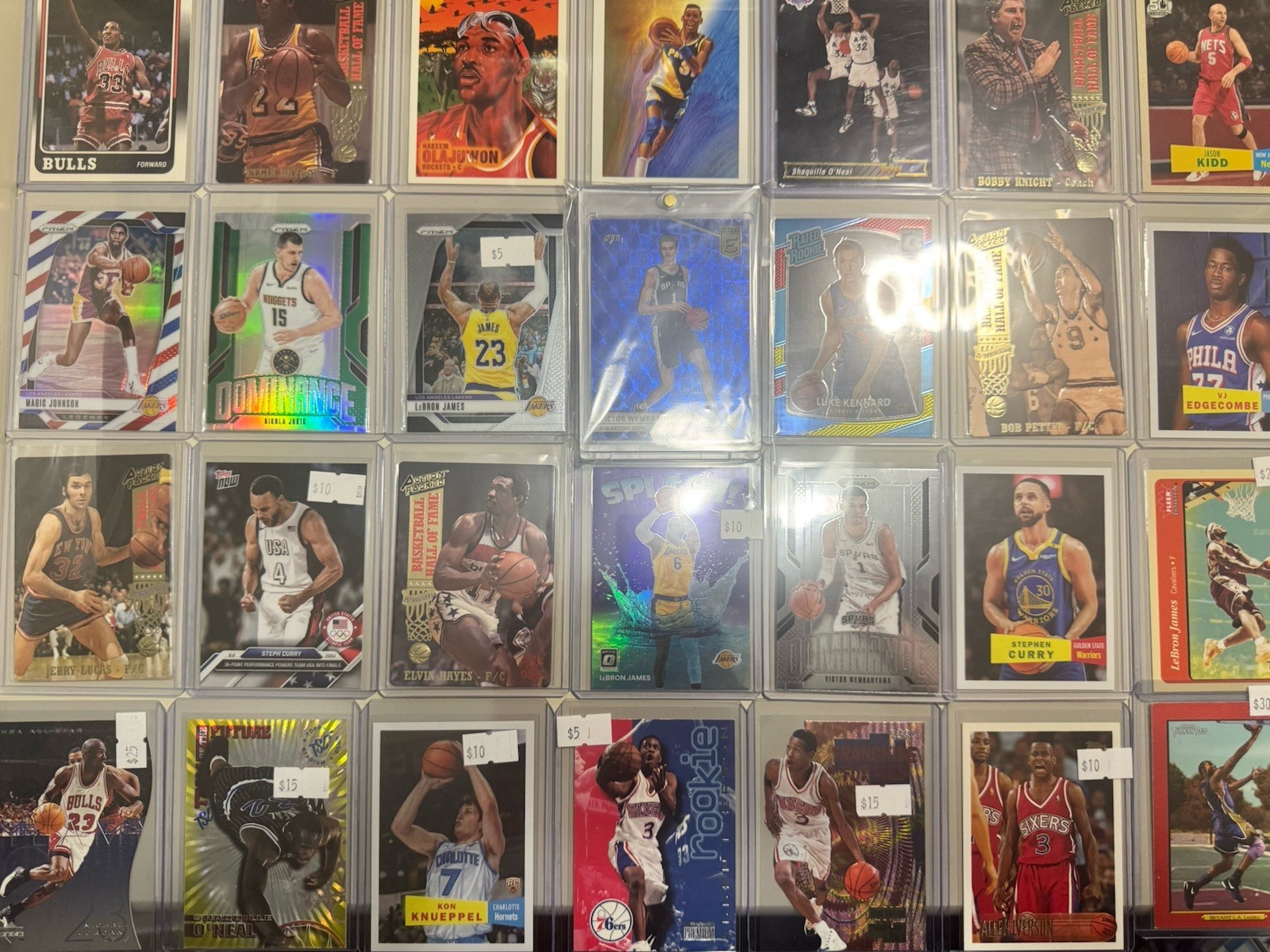
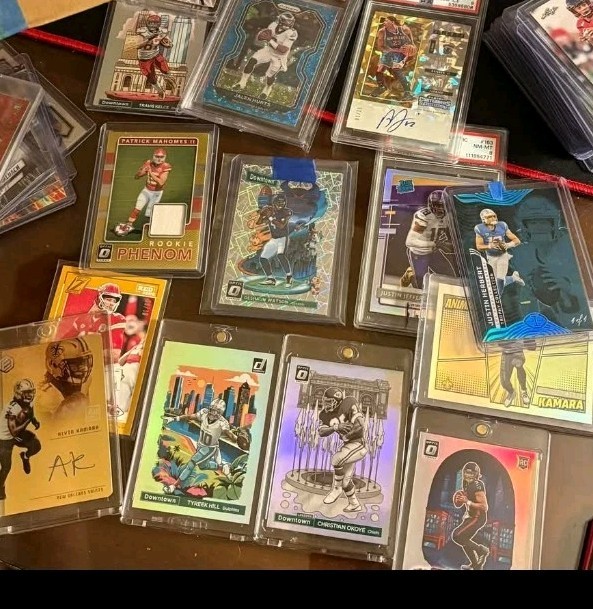


eBay links are affiliate links: JunkPal may earn a commission at no cost to you.
Resale values related to reissue
Shop reissue on eBay ↗

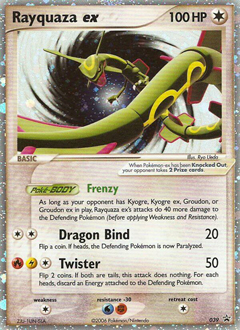
![Dark Dragonite [Reverse Holo] #5](/api/images/junkpal-products/cards/dark-dragonite-reverse-holo-5-pokemon-legendary-collection-card/img0/thumb.webp)
![Magikarp [Sparkle] #129](/api/images/junkpal-products/cards/magikarp-sparkle-129-pokemon-2000-topps-chrome-card/img0/thumb.webp)
![Psyduck [Reverse Holo] #88](/api/images/junkpal-products/cards/psyduck-reverse-holo-88-pokemon-legendary-collection-card/img0/thumb.webp)
JunkPal may earn a commission when you buy through eBay links, at no extra cost to you.
What’s worth the most
Ranked on medians of real closed eBay sales, not asking prices.