What does “recolored card” mean?
What it means
A recolored card is a trading card whose original printing has been intentionally altered by adding new ink or paint to the artwork or surface. This modification occurs outside the official manufacturing process. It is not a factory-issued variant, repaint, or promotional item. The mainstream equivalent is a custom modification or alteration. Because the card's physical state has been changed post-production, its authenticity as a factory-produced item is compromised.
What it does to price
Recoloring almost always results in a significant devaluation compared to the original, factory-printed card. The value reduction is severe; a recolored copy typically sells for 10% to 40% of the value of a pristine, unmodified version, depending on the card's baseline rarity. Factors that slightly mitigate the drop include the quality of the recoloring (e.g., professional airbrushing vs. marker scribbles) and the desirability of the base card. For example, a standard, unmodified chase card might sell for \$50. A poorly recolored version of the same card might sell for \$25–\$35.
How to spot it
The tells are usually visible discrepancies in color saturation, hue, or texture where the added ink meets the original print. Inspect the card under bright, direct light. Look closely at edges and corners for bleed-through or unnatural pigment saturation. Sellers must provide high-resolution photos showing the card under various lighting conditions. Common honest mistakes include accidental ink smudges or marker damage, which are blemishes, not intentional recolorings. Fakes are rare, as the modification itself is the alteration, but sellers may misrepresent simple wear as intentional recoloring.
Buying smart
Paying a premium for a recolored card is only justifiable if the card is otherwise extremely rare, and the buyer is specifically seeking modified items (e.g., for a custom display or "art" collection, not investment). For standard collecting or resale, the premium is never worth it. A fair deal involves the asking price reflecting the inherent damage; if a seller lists a recolored card at the price of a mint, factory-grade copy, the deal is inflated and should be avoided.
Selling smart
Transparency is the primary driver of sale price. Listing the card as "recolored," "modified," or "altered" upfront prevents disputes and sets accurate buyer expectations. If the modification is minor and professional, the card might retain 60–70% of its base value. If the modification is heavy, amateur, or obscures key details, the value can drop below 30% of the base price. The single most effective action is including a detailed, close-up photo specifically highlighting the area of alteration.
On eBay right now
Current asking prices from live listings — not sold-comp medians.

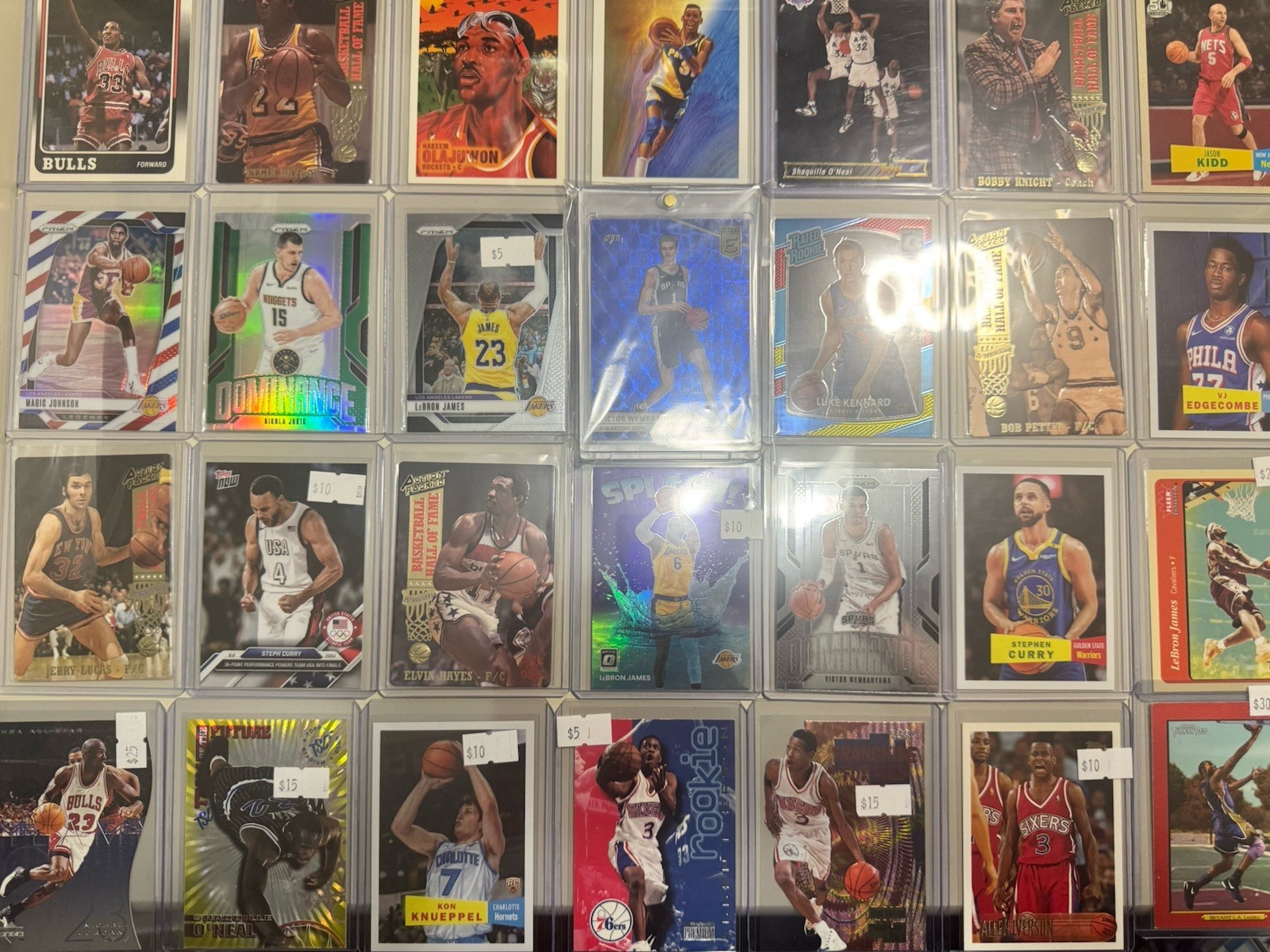
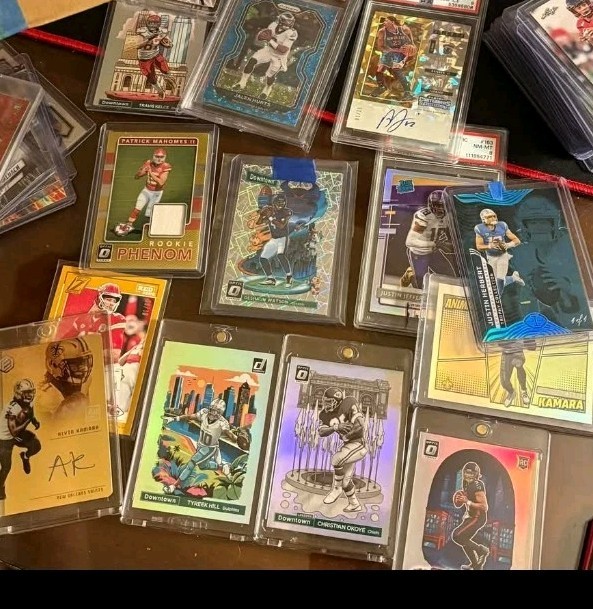

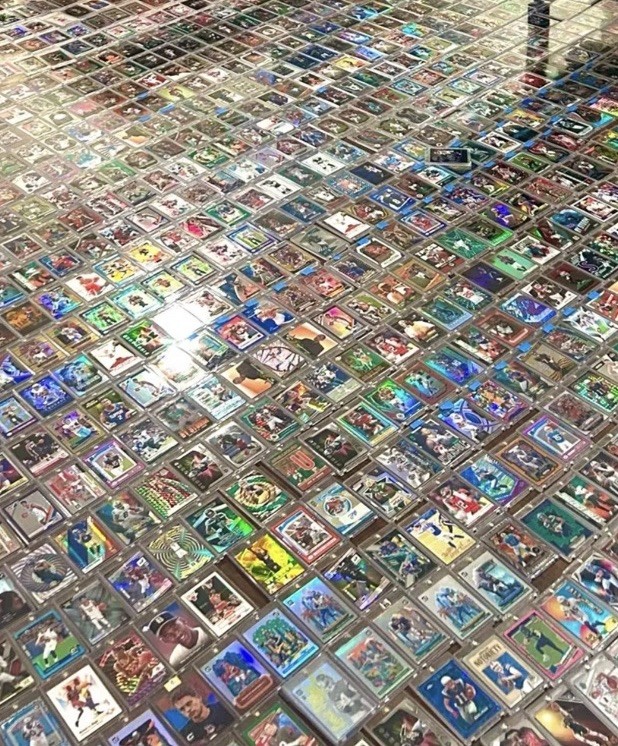

eBay links are affiliate links: JunkPal may earn a commission at no cost to you.
Resale values related to recolored card
Shop recolored card on eBay ↗



![Charizard [Sparkle] #6](/api/images/junkpal-products/cards/charizard-sparkle-6-pokemon-2000-topps-chrome-card/img0/thumb.webp)
JunkPal may earn a commission when you buy through eBay links, at no extra cost to you.
What’s worth the most
Ranked on medians of real closed eBay sales, not asking prices.