What does “raw value” mean?
What it means
Raw value is the intrinsic worth of a trading card based solely on its physical state, scarcity, and current market interest, prior to any third-party grading or certification. It is the card's "as-is" valuation. This term is the baseline measure of worth before professional services like PSA or BGS assign a numerical grade. Condition factors—such as centering, corner sharpness, surface wear, and print quality—are the primary determinants of raw value.
What it does to price
Condition directly dictates the price floor. A card in Near Mint (NM) raw condition will command a significantly higher price than the same card in Played (PL) condition. For example, a common card in NM raw condition might sell for $5, while the identical card in PL condition might sell for $1.50. Significant deviations occur with centering; a perfectly centered card can fetch 1.5x to 2x the price of a poorly centered copy, even if the surface condition is identical. Edge chipping, even minor, can drop the value by 20-40% immediately.
How to spot it
Condition assessment requires close inspection. Look for print lines, color shifts, and plate wear. Centering is judged by the ratio of the borders to the image area—a 50/50 centering is ideal. Surface wear includes print lines, scratches, or whitening on the edges. Sellers must provide high-resolution images showing the four corners, the front, and the back. Common issues include print errors (which can increase raw value if recognized) or subtle whitening along the edges, which is often mistaken for damage.
Buying smart
Paying a premium for raw value is justified when the card is a high-demand chase piece (e.g., rookie cards, rare parallels) and the condition is demonstrably high (NM/Mint). If the card is common or low-tier, the cost difference between raw and graded is often not worth the risk. A fair deal involves the asking price aligning closely with the average price of recently sold, *un-graded* copies matching the observed condition. If the seller is asking for a graded price for a raw card, the deal is likely inflated.
Selling smart
Proving the card's condition in a listing directly translates to higher bids. A detailed description specifying "Near Mint, excellent centering" allows the seller to anchor the price at the higher end of the raw market. The single most impactful element for establishing premium raw value is a clear, close-up photo of the corners and edges, allowing buyers to verify the lack of significant wear. Listing the card as "Raw" while providing excellent condition documentation attracts serious buyers willing to pay a premium over bulk lots.
On eBay right now
Current asking prices from live listings — not sold-comp medians.

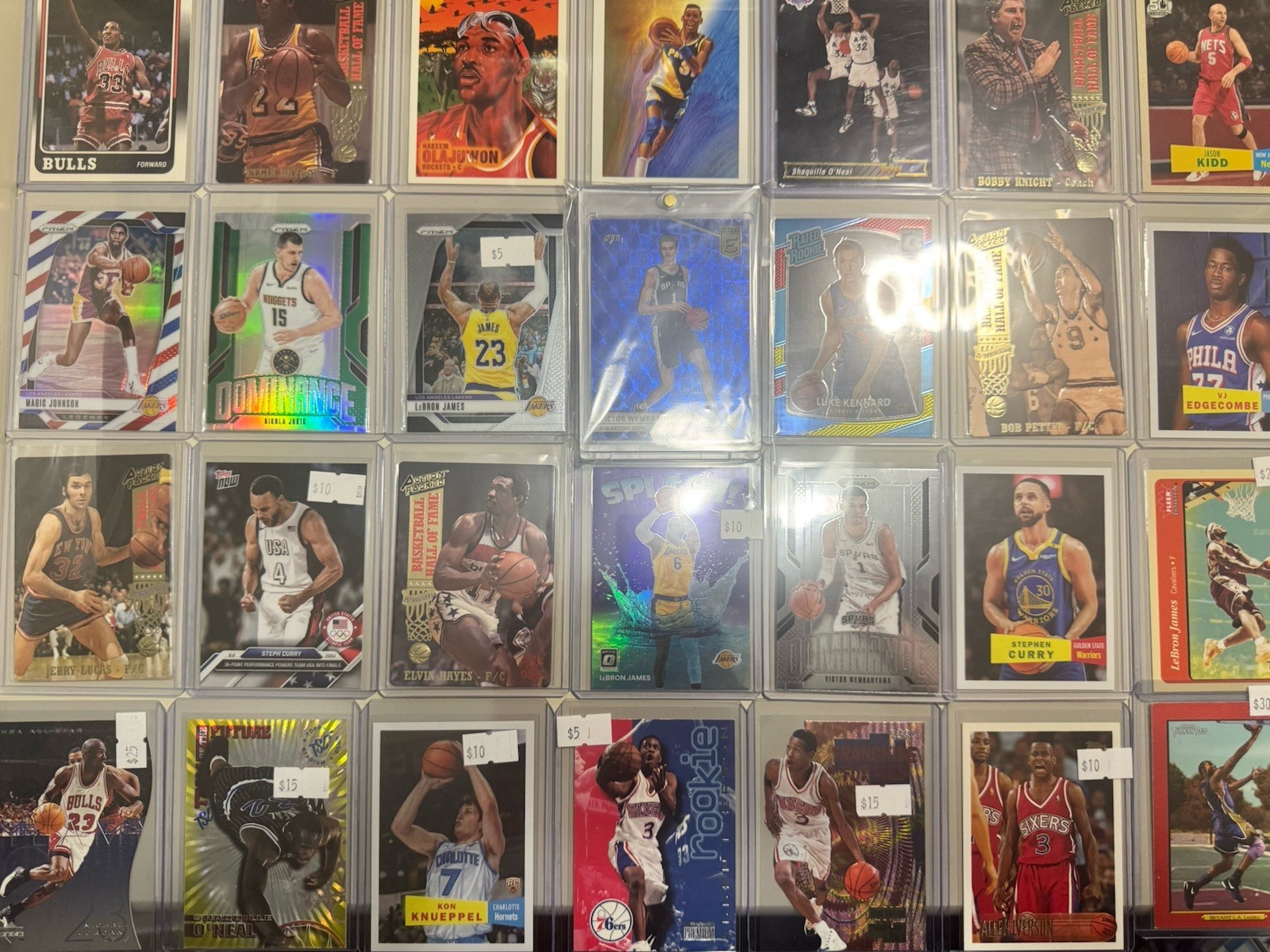
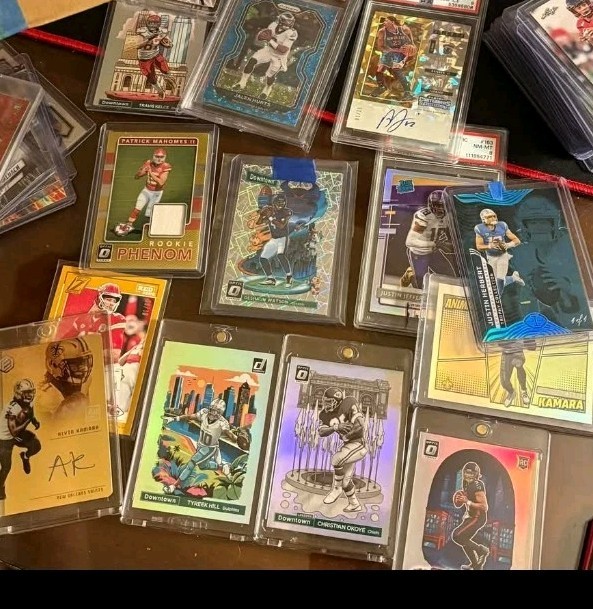


eBay links are affiliate links: JunkPal may earn a commission at no cost to you.
Resale values related to raw value
Shop raw value on eBay ↗
![Pikachu [Reverse Holo] #86](/api/images/junkpal-products/cards/pikachu-reverse-holo-86-pokemon-legendary-collection-card/img0/thumb.webp)
JunkPal may earn a commission when you buy through eBay links, at no extra cost to you.
What’s worth the most
Ranked on medians of real closed eBay sales, not asking prices.