What does “raw market” mean?
What it means
Raw market refers to the verifiable, recent transaction price of a specific trading card. It is the actual realized sale price, not the asking price or the Manufacturer's Suggested Retail Price (MSRP). This is the objective data point for valuation. The mainstream equivalent is "comps" (comparables) in real estate, but applied to collectible sales. It strips away seller optimism and buyer hype to establish the baseline worth of the item based on what buyers have recently paid for it.
What it does to price
The raw market sets the anchor for all pricing decisions. A card priced 20% above the established raw market data risks stagnation. Conversely, pricing 15% below the raw market means immediate, unnecessary profit loss. Condition is the primary multiplier. A Near Mint (NM) copy might trade at 1.8x the raw market value of a Lightly Played (LP) copy, assuming all other factors are equal. For example, if the raw market for a specific rookie card is \$100, an NM copy might sell for \$180, while an LP copy might sell for \$70.
How to spot it
The raw market is found by analyzing completed listings, not active ones. Search platforms using filters for "Sold Items" or "Completed Sales." Key details to verify include the card's specific numbering (e.g., /100 vs. /1), the exact printing year, and the specific set variation. Photos must be clear, showing edges and corners under consistent lighting. A common mistake is confusing a modern reprint with the original vintage version; these can be 5x to 10x different in value.
Buying smart
Paying a premium over the raw market is justified only when the premium buys a significant, verifiable upgrade in condition or scarcity. A 25% premium might be acceptable if the card is graded PSA 10 when the raw market comps are all PSA 9s. If the premium is merely for "better centering" on a card that is otherwise a standard NM, the premium is likely unwarranted. A fair deal means the asking price is within 5-10% of the average of the last five comparable completed sales.
Selling smart
Proving the card's condition against the raw market data justifies a higher asking price. A seller must provide high-resolution images showing the card’s corners, edges, and surface flaws. The single most effective word in a listing description is "Verified Condition" or "As Pictured," backed by clear photography. If a card is graded, the grade itself is the proof, allowing the seller to command the premium associated with that specific grade tier above the raw market average.
On eBay right now
Current asking prices from live listings — not sold-comp medians.

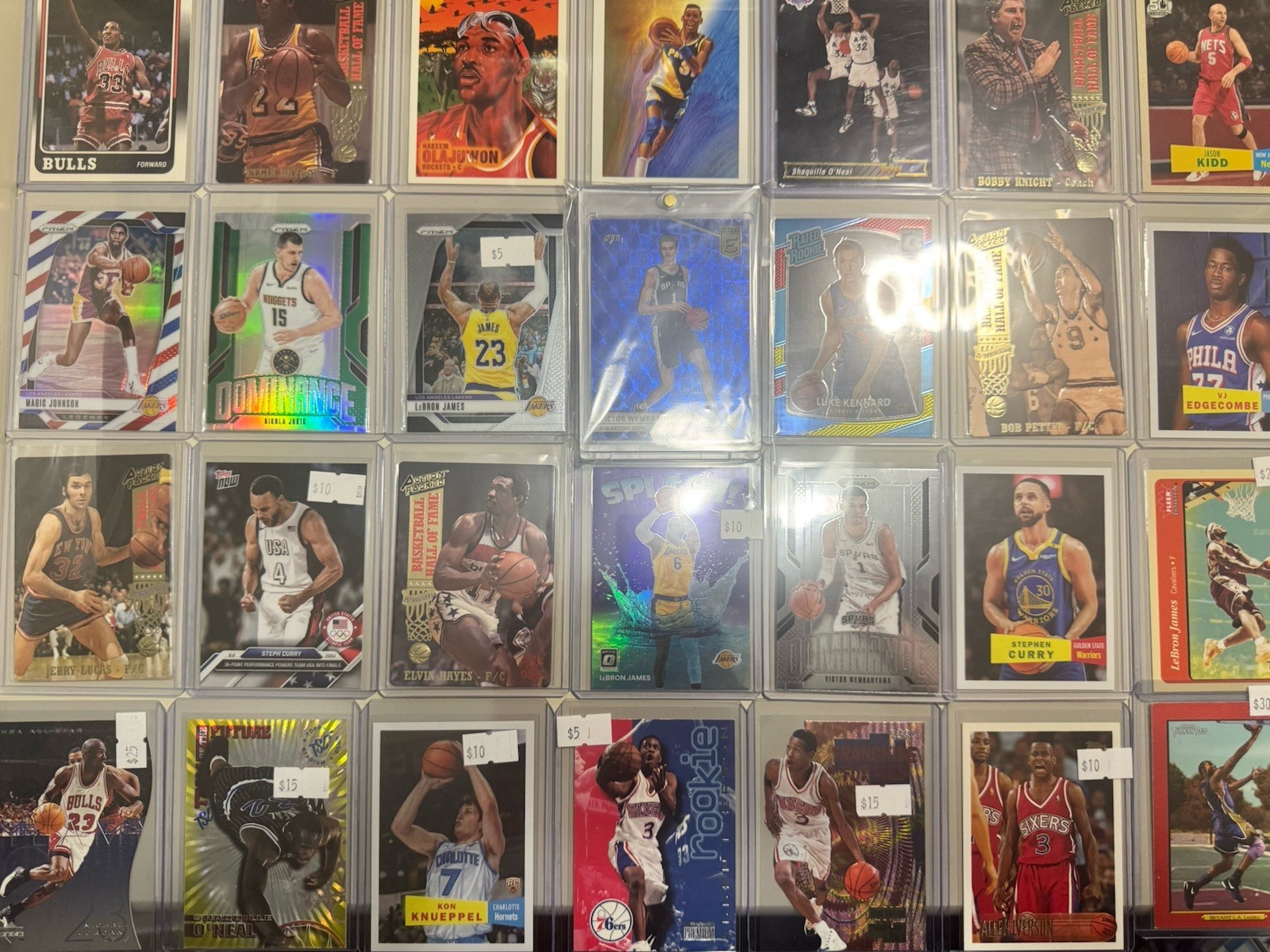
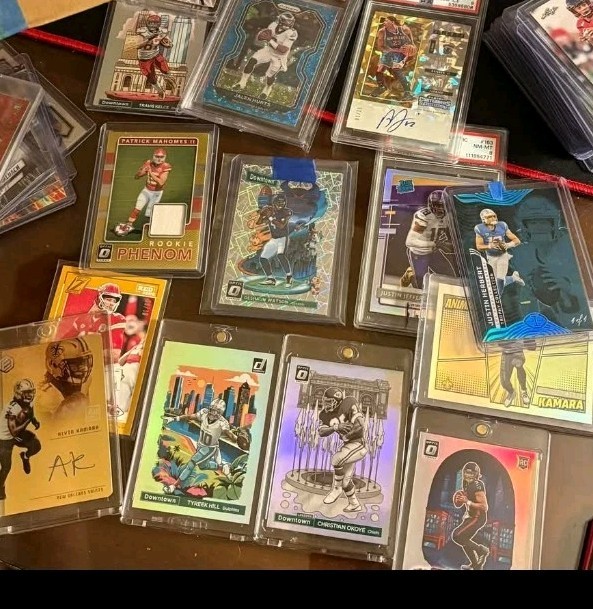


eBay links are affiliate links: JunkPal may earn a commission at no cost to you.
Resale values related to raw market
Shop raw market on eBay ↗

![Kabutops [Sparkle] #141](/api/images/junkpal-products/cards/kabutops-sparkle-141-pokemon-2000-topps-chrome-card/img0/thumb.webp)

JunkPal may earn a commission when you buy through eBay links, at no extra cost to you.
What’s worth the most
Ranked on medians of real closed eBay sales, not asking prices.