What does “raw card value” mean?
What it means
Raw card value is the market worth of a trading card based solely on its physical state, scarcity, and current demand, without any third-party verification or professional grading. It is the intrinsic, ungraded price. This is the baseline value before services like PSA or Beckett assign a numerical grade. For resellers, this is the starting point for all pricing models. The value is dictated by the card's appearance—centring, corners, surface wear, and edges—as observed in direct sales listings.
What it does to price
Condition drives the price multiplier against the baseline raw value. A Near Mint (NM) card typically commands 2x to 5x the price of a Good (G) or Poor (P) copy of the same card. A card graded PSA 10 (Gem Mint) often sells for 10x to 50x the raw value, depending on the card's tier. Minor surface scratches or edge whitening can reduce the raw value by 30% or more. Conversely, finding an uncorrected, highly sought-after variant can immediately multiply the raw value by 5x or more, even if the card is slightly worn.
How to spot it
Spotting raw value requires close inspection of high-resolution images. Examine the edges for chipping or whitening, and check the corners for rounding or dings. Look for print variations; some sets have subtle differences in background colors or text placement between print runs that affect rarity. Sellers must provide high-zoom photos of the front and back. Common errors include poor centering (off-center is a major value detractor) and surface print defects that are not visible in standard listing photos.
Buying smart
Paying a premium for raw value is justified only when the card is a high-tier investment piece (e.g., rookie cards of major stars) and the condition is genuinely near-perfect (NM/MT). If the card is mid-tier or low-value, the risk of hidden damage outweighs the potential gain; buying raw is gambling on condition. A fair deal for a desirable raw card is one where the asking price is within 15-25% of the average selling price of comparable, recently sold ungraded copies.
Selling smart
Listing the card as "Raw" forces the buyer to account for condition risk, which lowers the initial offer. To capture the highest possible price, the listing must explicitly detail the card's condition using established grading terminology (e.g., "Excellent corners, light surface wear"). Providing a clear, high-resolution photo showing the card under bright, even light is the single most effective way to prove the card's actual state, allowing the seller to command a price closer to the top end of the raw market range.
On eBay right now
Current asking prices from live listings — not sold-comp medians.

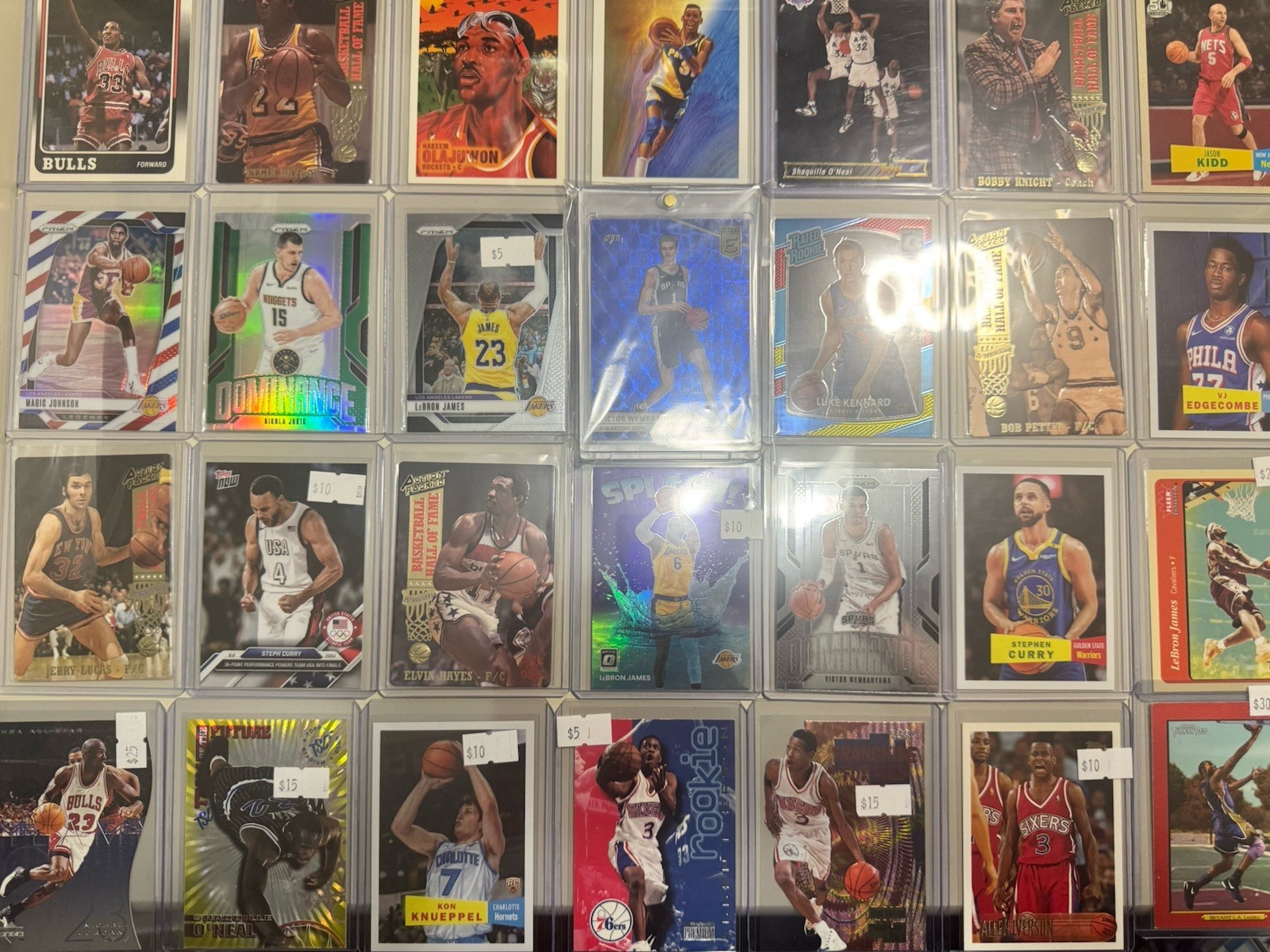
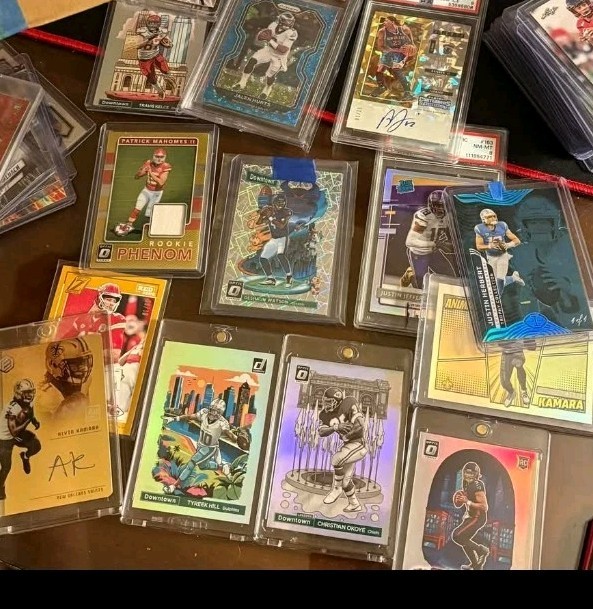


eBay links are affiliate links: JunkPal may earn a commission at no cost to you.
Resale values related to raw card value
Shop raw card value on eBay ↗![Elesh Norn, Grand Cenobite [Serialized] #133](/api/images/junkpal-products/cards/elesh-norn-grand-cenobite-serialized-133-magic-multiverse-legends-card/img0/thumb.webp)
![Rakdos, Patron Of Chaos [Serialized] #320](/api/images/junkpal-products/cards/rakdos-patron-of-chaos-serialized-320-magic-murders-at-karlov-manor-card/img0/thumb.webp)

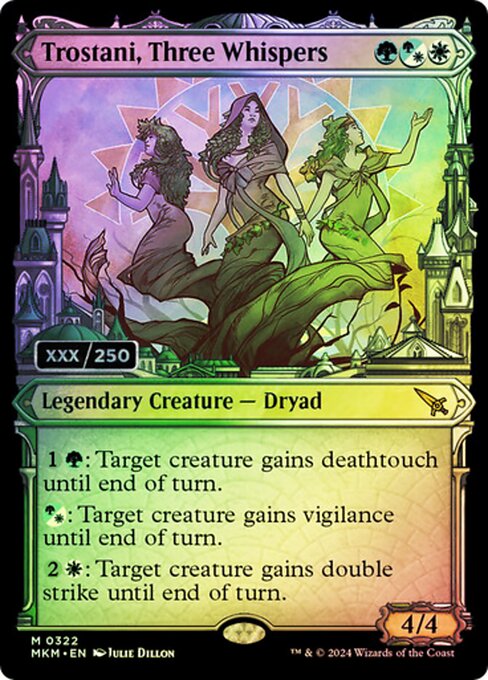
![Blackwing - Vayu The Emblem Of Honor [Misprint] ANPR-EN005](/api/images/junkpal-products/cards/blackwing-vayu-the-emblem-of-honor-misprint-anpr-en005-yugioh-ancient-prophecy-card/img0/thumb.webp)
![Poke Ball Tin Display [Q2 2020]](/api/images/junkpal-products/cards/poke-ball-tin-display-q2-2020-pokemon-promo-card/img0/thumb.webp)

JunkPal may earn a commission when you buy through eBay links, at no extra cost to you.
What’s worth the most
Ranked on medians of real closed eBay sales, not asking prices.