What does “raw card” mean?
What it means
A raw card is any trading card that has not been submitted to, nor received, a professional third-party grading service such as PSA, Beckett (BGS), or CGC. It exists in its original, loose state. The mainstream equivalent is an ungraded card. The term "raw" signifies the card’s current physical state without any official, standardized numerical assessment of its condition. Condition is the primary determinant of value for a raw card; a card rated Near Mint (NM) visually will sell for substantially more than the same card visually rated Poor (P), regardless of whether either has a grade.
What it does to price
The absence of a grade introduces volatility. A card that is visually graded as Near Mint (NM) but remains raw typically sells at a discount compared to a professionally graded equivalent, often ranging from 30% to 60% less, depending on the card's rarity and market demand. Conversely, a raw card in pristine condition that is highly sought after can sometimes fetch a premium over a lower-grade graded copy if the market distrusts the grading company or if the card is extremely valuable and condition is verifiable. For example, a common chase card in NM raw condition might sell for \$15, while the same card graded PSA 10 might sell for \$35–\$45. Condition flaws—even minor surface scratches or corner whitening—cause immediate and steep price drops.
How to spot it
A raw card is simply a card without a protective, numbered, sealed holder. There are no edition markers related to grading status. To assess condition, sellers must provide high-resolution, well-lit photos from multiple angles. Key areas to inspect include the corners (for whitening or rounding), the edges (for chipping), the surface (for scratches or print lines), and the centering (how evenly the image is placed within the borders). A common honest mistake is confusing a card that has been *sleeved* with one that has been *graded*; a sleeve is protective, not a certification. Fakes in the raw market are rare but usually involve poor print quality or incorrect card stock feel.
Buying smart
Paying a premium for a raw card is justified only when the card is extremely rare, highly desirable, or when the buyer possesses the expertise to accurately grade it themselves. For mid-tier or common chase cards, the risk associated with subjective visual inspection outweighs the potential savings. A fair deal for a raw card is one where the asking price aligns with established market averages for that specific condition (e.g., NM/Mint). If the seller is asking a price comparable to a graded version without providing photographic evidence of flawless condition, the deal is likely inflated.
Selling smart
To maximize resale value, the listing must explicitly state the card is "Raw" or "Ungraded." The single most effective element to include in a listing is a photo showing the card under bright, direct light, ideally with a ruler or coin placed next to it for scale. Providing a clear, unedited photo of the card's surface, corners, and edges allows the buyer to perform their own condition assessment, which builds trust and justifies a higher asking price than a vague description. Listing the card as "Raw - Near Mint Visual" is more effective than just "NM" if the grade is not present.
On eBay right now
Current asking prices from live listings — not sold-comp medians.

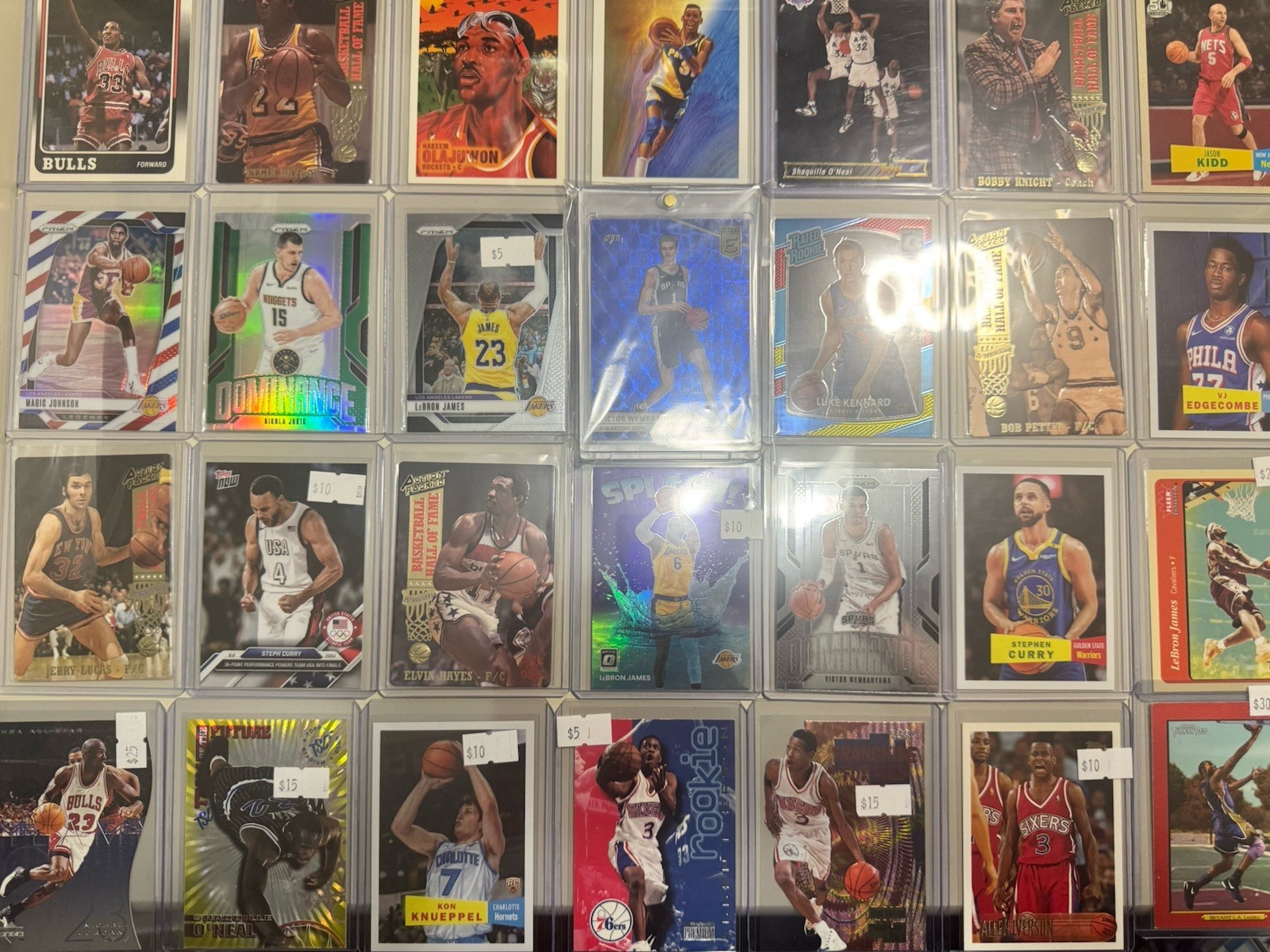
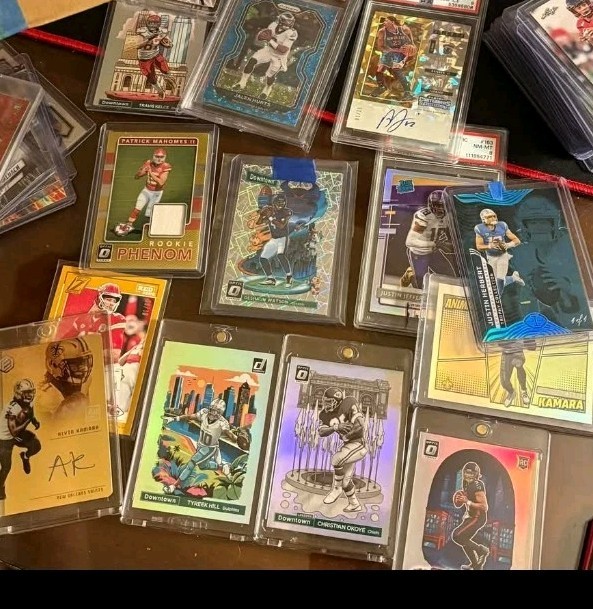

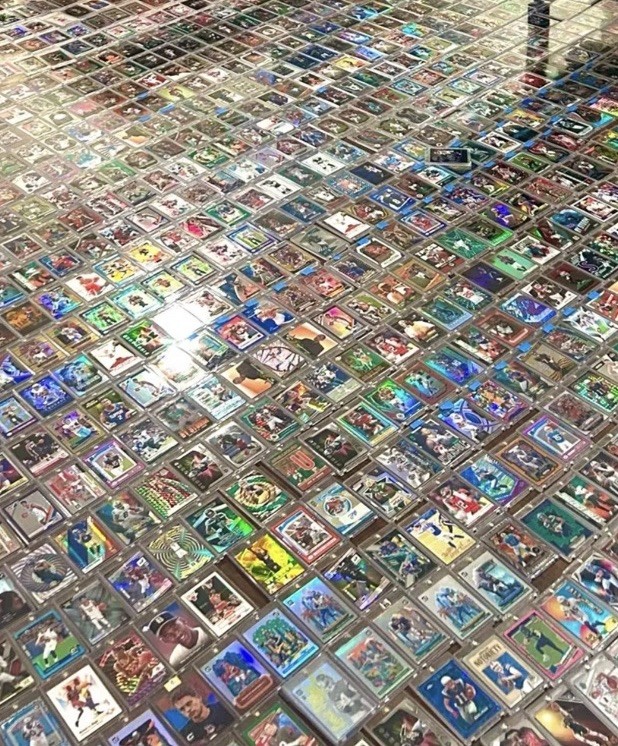

eBay links are affiliate links: JunkPal may earn a commission at no cost to you.
Resale values related to raw card
Shop raw card on eBay ↗![Meetup on Christmas Eve Ai SSP ([OSHI NO KO] Vol.2)](/api/images/junkpal-products/tcgcsv/meetup-on-christmas-eve-ai-ssp-685751-tcg/img0/thumb.webp)






JunkPal may earn a commission when you buy through eBay links, at no extra cost to you.
What’s worth the most
Ranked on medians of real closed eBay sales, not asking prices.