What does “raw” mean?
What it means
"Raw" means the trading card has not been submitted to, nor has it been received by, a professional third-party grading service such as PSA, Beckett (BGS), or SGC. The card is sold loose, in its original, ungloved condition. The mainstream equivalent is an ungraded item. The distinction is the absence of an objective, standardized numerical grade (e.g., PSA 9, BGS 9.5) assigned by an independent expert. The condition assessment rests entirely on the seller's description and provided images.
What it does to price
The price of a raw card is highly variable, directly correlating with perceived condition and market scarcity. Generally, a raw card in near-mint condition that is later graded high (e.g., PSA 10) can realize a multiplier of 2x to 5x compared to the initial raw purchase price, assuming the card is sought after. Conversely, a raw card with visible wear (scratches, edge whitening) priced as "Near Mint" will sell for significantly less than its graded counterpart. For example, a raw rookie card described as "Excellent" might sell for $150, but if it is actually "Very Good" (minor surface wear), its value could drop to $75.
How to spot it
A raw card is simply a card not sealed in a protective slab. There are no edition markers related to grading status; the status is determined by the lack of a third-party certificate or holder. Sellers may mistakenly list a card as "Raw" when it has been lightly handled or has minor, unlisted imperfections. Always request high-resolution, straight-on photos of the front and back. Inspect for corner rounding, edge whitening, print misalignment (centering), and surface scratches. If the seller provides only blurry, low-light photos, the risk factor increases substantially.
Buying smart
Paying a premium for raw cards is justified when the card is a high-demand rookie or chase card, and the seller provides verifiable, high-quality photographic evidence suggesting a high grade potential (e.g., perfect centering, crisp corners). It is not worth the premium if the card is common or if the seller’s photos are inadequate. A fair deal involves a price that is less than 60-70% of the current market value for the same card *already graded* in a high numerical grade.
Selling smart
When listing a raw card, the seller must be brutally honest about its condition. Use specific terminology (e.g., "Near Mint," "Lightly Played," "Mint"). The single most valuable addition to a listing is a set of high-resolution, well-lit, multiple-angle photographs. Providing these photos allows the buyer to perform their own condition assessment, which builds trust and justifies a higher asking price than a listing relying only on vague text descriptions.
On eBay right now
Current asking prices from live listings — not sold-comp medians.
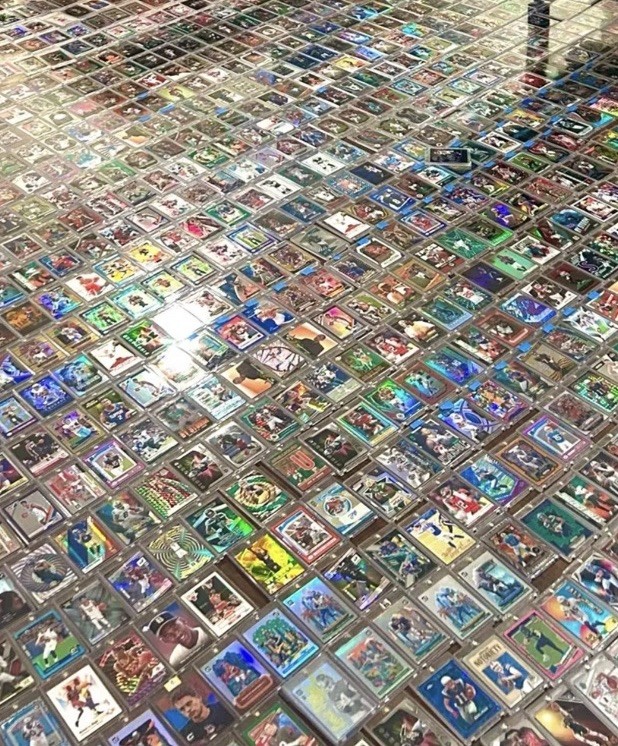

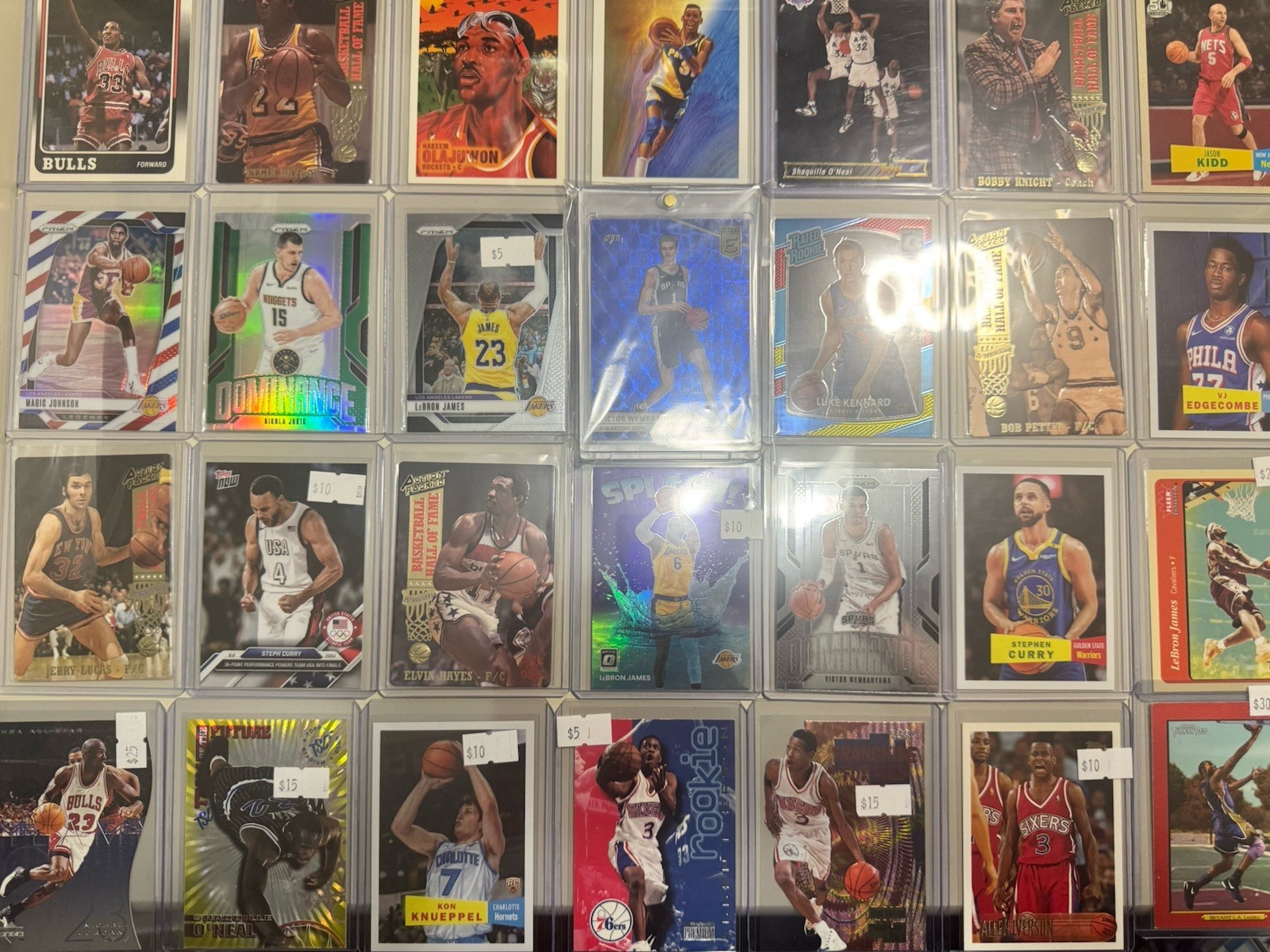
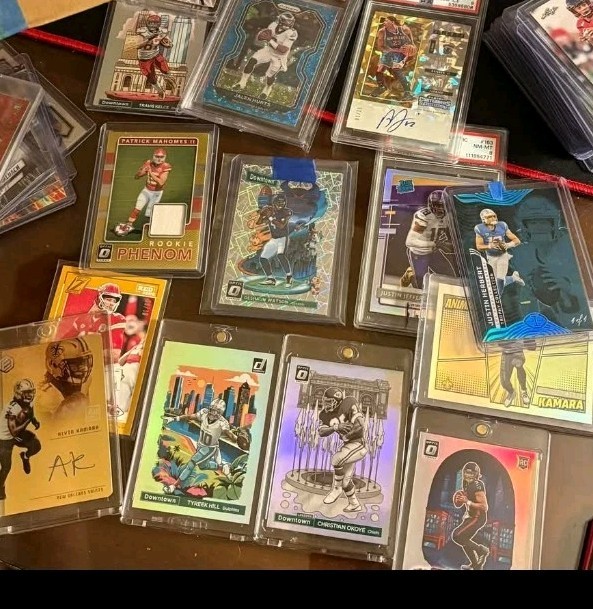


eBay links are affiliate links: JunkPal may earn a commission at no cost to you.
Resale values related to raw
Shop raw on eBay ↗

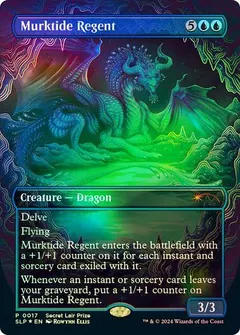



JunkPal may earn a commission when you buy through eBay links, at no extra cost to you.
What’s worth the most
Ranked on medians of real closed eBay sales, not asking prices.