What does “rare” mean?
What it means
In trading card collecting, "rare" denotes a card with a significantly limited print run compared to common or common-variant cards within the same set. This is not merely subjective; it is quantifiable by the manufacturer's distribution strategy. Rarity is determined by factors such as serial numbering, specific chase inclusions (e.g., parallels, inserts), or intentional scarcity within a product wave. The mainstream equivalent is "low availability." Rarity is the fundamental scarcity metric that drives speculative value in the market.
What it does to price
Rarity acts as a primary price multiplier. A standard, common card might sell for $1-$5 loose. A genuinely rare card, depending on its tier (e.g., Ultra Rare vs. Secret Rare), can easily multiply that base value by 5x to 50x or more. For example, a common rookie card might sell for $4. If that card is a verifiable "Rare" parallel, the same card might fetch $30-$75 depending on condition. Condition is the overriding variable; a rare card in Near Mint (NM) condition commands the highest premium, while the same card in Played (PL) condition may sell for 30-50% less.
How to spot it
Identification relies on specific card features. Look for designated rarity symbols, foil patterns, or specific set codes indicating limited distribution. For modern sets, check for numbered parallels (e.g., /10, /50). Always request high-resolution scans or photos of the card's edges and corners to verify centering and surface integrity. Common errors include mislabeling by sellers or confusing a high-grade parallel with a standard, less valuable variant. If a card claims rarity but lacks visible proof (like a specific symbol or numbering), treat it as common until verified.
Buying smart
Paying a premium for a rare card is justified when the scarcity is verifiable and the card is in high-grade condition (PSA 9/10 or equivalent). The premium is worth it when the card is a key piece of a desirable set or features a highly sought-after player. Avoid overpaying when the rarity is ambiguous or when the card is visibly damaged. A fair deal involves comparing the asking price against recent sales data for the *exact* card, in the *exact* condition, on platforms like eBay sold listings. If the asking price exceeds the top 10% of recent comparable sales, the offer is likely inflated.
Selling smart
To maximize returns, the listing must unequivocally prove the card's rarity. Listing descriptions must explicitly state the rarity designation (e.g., "Insert Card," "Serial #/50"). The single most effective element is a clear, well-lit photo showing any visible rarity markers, serial numbers, or unique printing details. Buyers pay a premium for certainty. If the seller can provide a graded slab (PSA, BGS, etc.), the value increases exponentially because the grading company verifies both authenticity and condition, eliminating buyer risk.
On eBay right now
Current asking prices from live listings — not sold-comp medians.

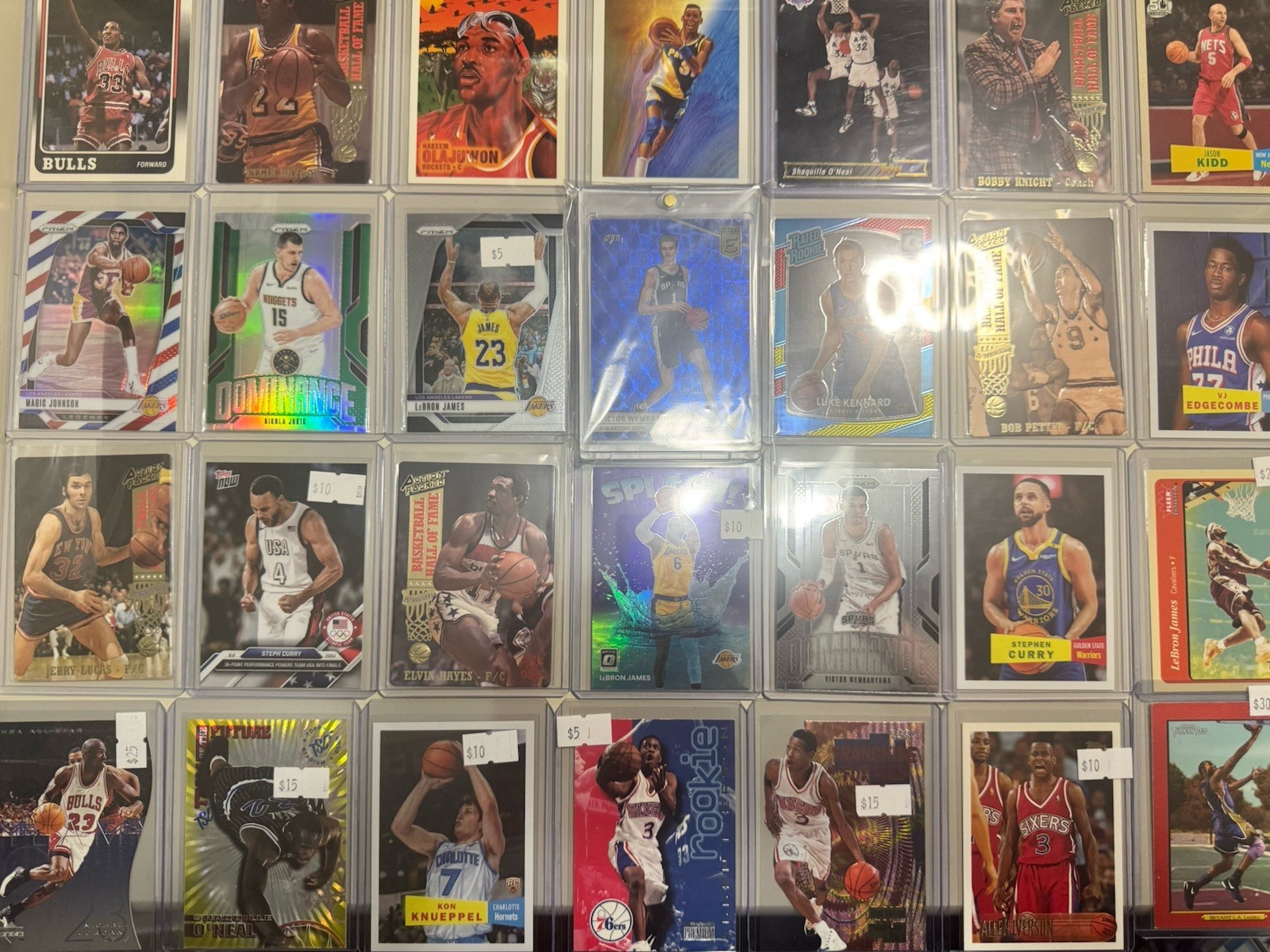
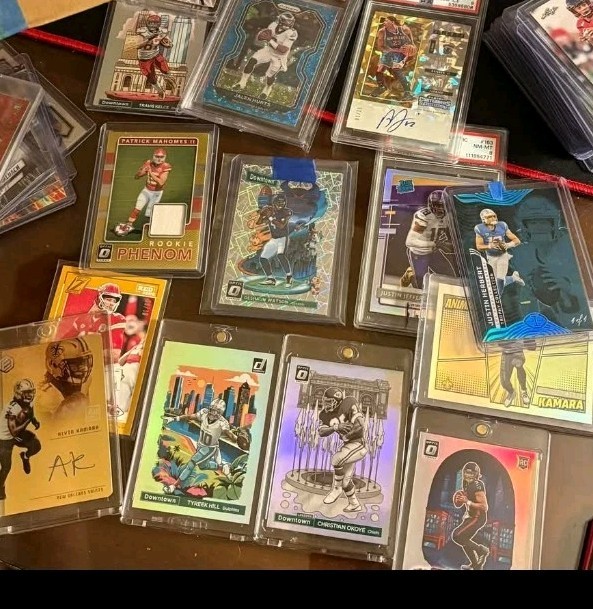

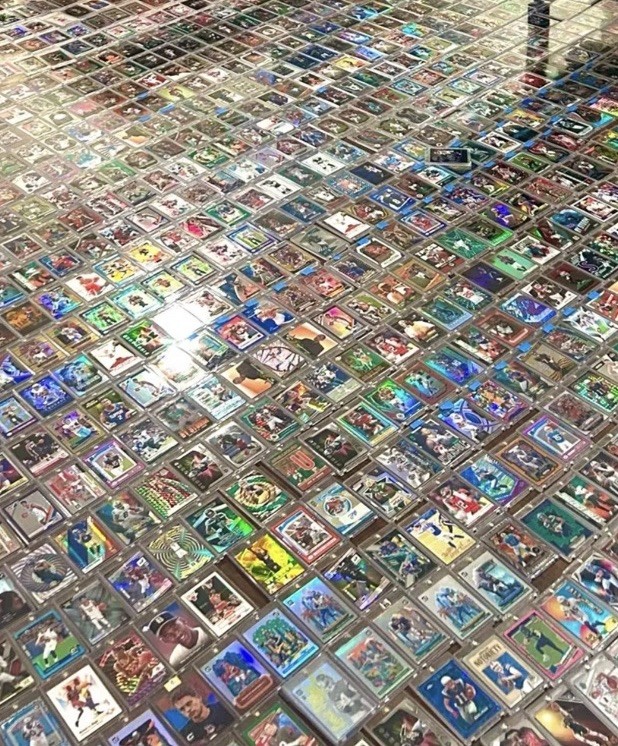

eBay links are affiliate links: JunkPal may earn a commission at no cost to you.
Resale values related to rare
Shop rare on eBay ↗


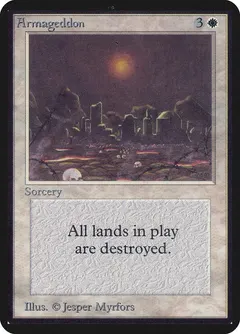


![Lapras [Tekno] #131](/api/images/junkpal-products/cards/lapras-tekno-131-pokemon-2000-topps-chrome-card/img0/thumb.webp)
JunkPal may earn a commission when you buy through eBay links, at no extra cost to you.
What’s worth the most
Ranked on medians of real closed eBay sales, not asking prices.