What does “random pull” mean?
What it means
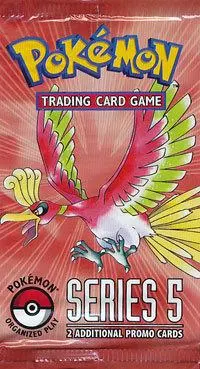
"Random pull" refers to the process of opening sealed product—booster packs, blind boxes, or ungraded product containers—where the specific contents are not known prior to opening. This is the fundamental mechanism of speculative collecting. The contents are inherently variable. For resellers, the value lies in the *potential* for a high-value, scarce item (a "chase card") to emerge from the unknown. The item pulled is the realized value; the sealed product is the speculative investment.
What it does to price
The presence of sealed, unopened product dictates a premium over loose, known items. A sealed booster box, for example, can command 2x to 5x the price of the average single card inside, depending on the perceived rarity of the set. Factors pushing the price up include high perceived scarcity (e.g., limited edition runs) and high current market excitement for the IP. Factors pushing the price down include known print runs or widespread distribution. For example, a sealed pack containing a common card might sell for $1.00, while a pack containing a highly sought-after rookie card could easily fetch $50.00+.
How to spot it
The tell is the seal. Any break in the manufacturer's original packaging, tape, or protective wrapping invalidates the "random pull" status. For graded items, the tell is the tamper-evident holder (slab). When assessing sealed product, check for printing errors, excessive wear on the outer packaging (dents, creases), and mismatched foil patterns if the product is known to have specific print runs. Common mistakes include sellers listing damaged, opened product as "sealed." Always request clear, high-resolution photos of the manufacturer's seal intact.
Buying smart
Paying a premium for a random pull is justified when the product line is experiencing rapid growth, has proven high-end chase cards, or is nearing the end of its print run. This is a gamble on future market appreciation. It is not worth the premium if the product line is stagnant or if the expected value of the contents is low compared to the pack cost. A fair deal means the asking price for the sealed item is within a reasonable multiple (e.g., 2x to 4x) of the established average value of the *most common* card in that set, balanced against the potential upside.
Selling smart
Proving the item is a true, unopened "random pull" is critical for achieving top-tier pricing. Buyers pay a significant premium for the *unopened potential*. The single most effective element in a listing is a clear photograph of the original, unbroken factory seal or the unopened product itself. Using the term "Sealed," "Factory Sealed," or "Mint Condition Seal" in the title directly signals the collectible status and justifies the higher price bracket over loose singles.
On eBay right now
Current asking prices from live listings — not sold-comp medians.

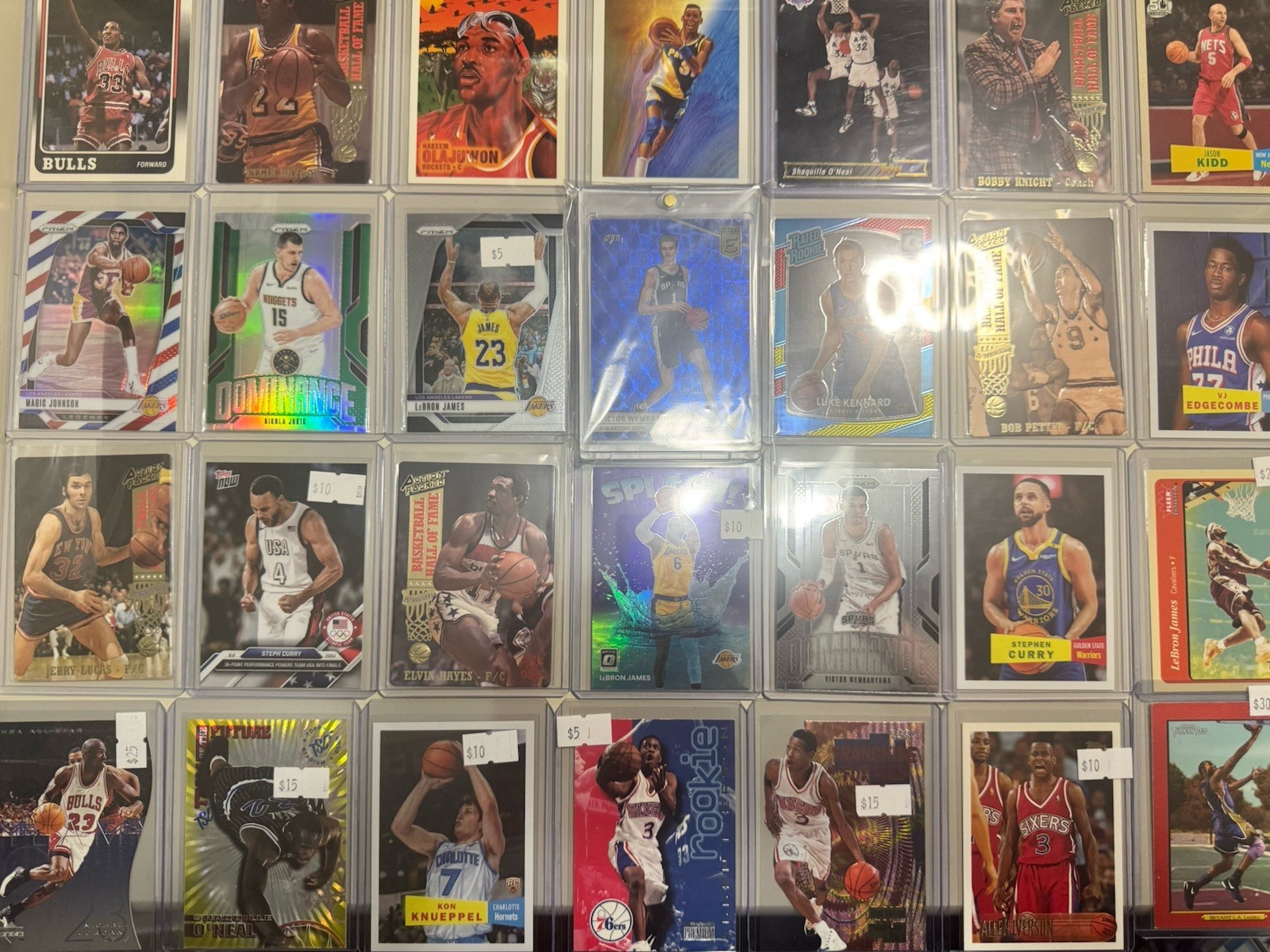
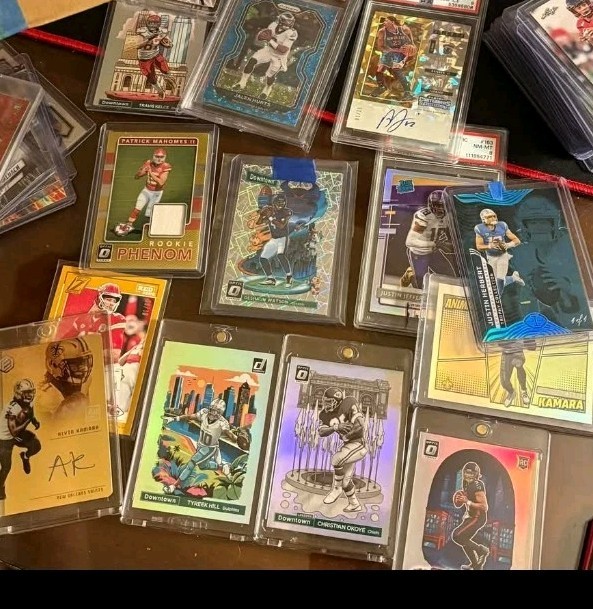


eBay links are affiliate links: JunkPal may earn a commission at no cost to you.
Resale values related to random pull
Shop random pull on eBay ↗





JunkPal may earn a commission when you buy through eBay links, at no extra cost to you.
What’s worth the most
Ranked on medians of real closed eBay sales, not asking prices.