What does “rainbow” mean?
What it means
"Rainbow" in trading cards denotes a specific, high-end foil or prismatic finish. It is not simply a color pattern but a light-refracting coating applied to the card stock, causing the surface to display a spectrum of colors when viewed at different angles. This is distinct from standard holographic foils, which often feature a single, consistent rainbow-like pattern. The rainbow finish implies a complex, multi-layered interference coating. In the collecting market, this finish is a direct indicator of an insert, parallel, or special edition designation.
What it does to price
The presence of a genuine rainbow finish acts as a significant multiplier. For a comparable base card, a rainbow variant typically commands a 2x to 10x premium, depending on the set's overall scarcity and the card's subject matter. A common, mid-tier rainbow parallel might fetch 3x the price of its base counterpart. Conversely, if the rainbow effect is a simple, low-grade sticker overlay rather than an integral print feature, the value premium drops to less than 1.5x. A $50 base card, if it possesses a verifiable, high-grade rainbow finish, could easily trade for $150 to $300 depending on market demand.
How to spot it
The tell is the light interaction. A genuine rainbow finish exhibits chromatic aberration—the colors shift and separate as the viewing angle changes. Examine the card under direct, bright light; the color dispersion should be fluid, not static. Look for specific set codes or insert numbering alongside the rainbow treatment, as these denote the official rarity tier. Common fakes involve using cheap, non-integrated holographic stickers placed over the card surface, which will look flat or peelable. A genuine rainbow finish is an inherent part of the card's printing process.
Buying smart
Paying a premium for a rainbow card is justified when the card is central to a highly sought-after set or features a top-tier athlete/subject. If the card is a low-tier chase card from a poorly supported set, the premium may not outweigh the risk of poor condition. A fair deal involves comparing the rainbow card's asking price against authenticated sales data for similar cards in the same set. If the asking price exceeds 2.5x the established market rate for a comparable, non-rainbow variant without exceptional grading, further due diligence is required.
Selling smart
Proving the quality of the rainbow finish is critical for maximizing sale price. The single most effective element in a listing is a macro photograph taken in strong, directional light that clearly captures the prismatic effect across the card's surface. Beyond the photo, using the precise terminology—"True Prismatic Finish" or "Rainbow Refraction"—in the description signals to knowledgeable buyers that the card possesses the highest quality treatment. This specific descriptive language often justifies the top end of the established price range.
On eBay right now
Current asking prices from live listings — not sold-comp medians.

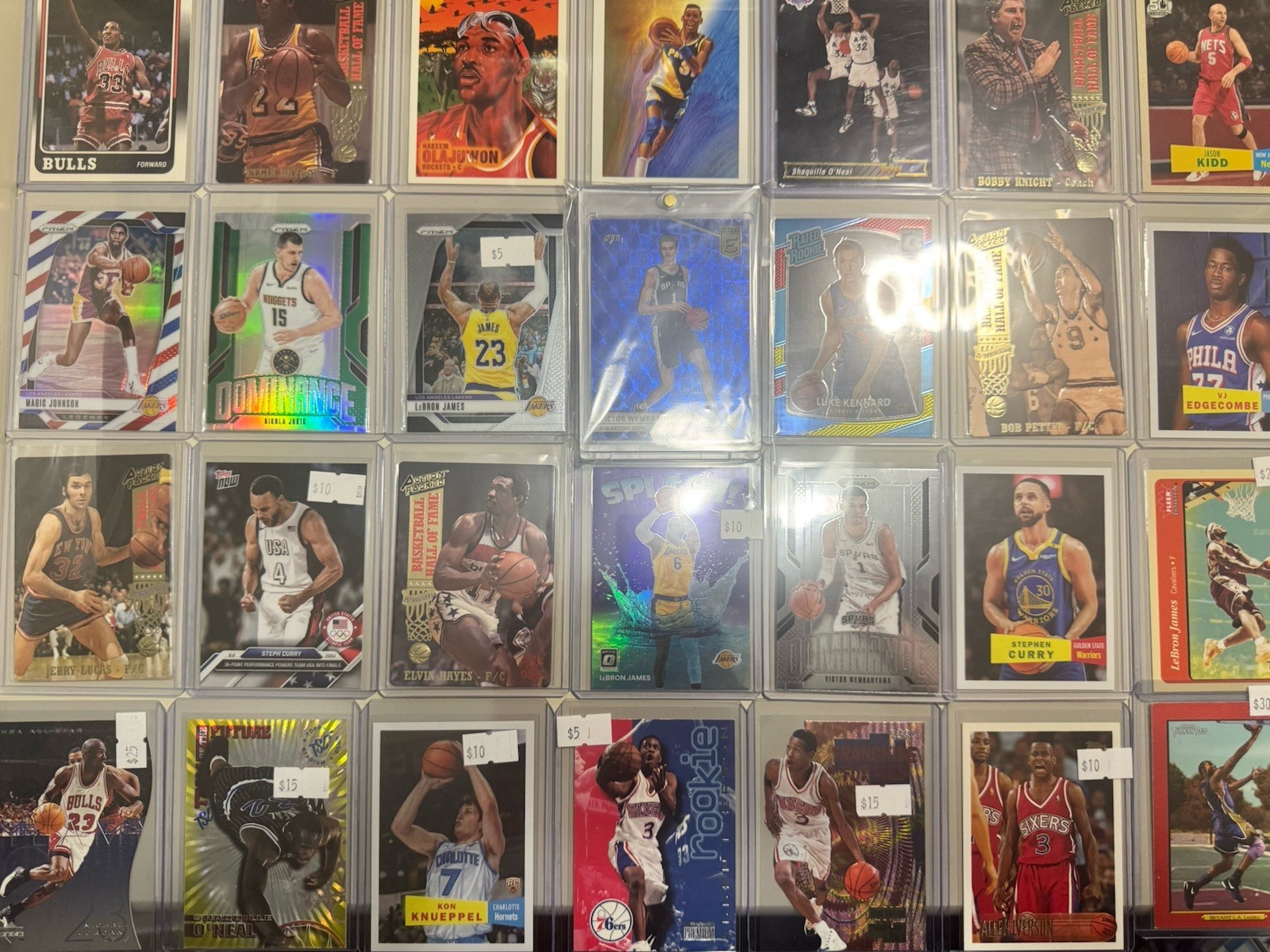
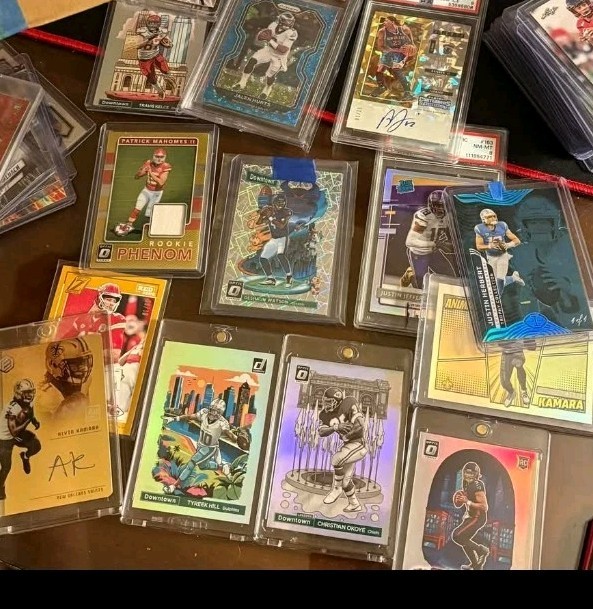

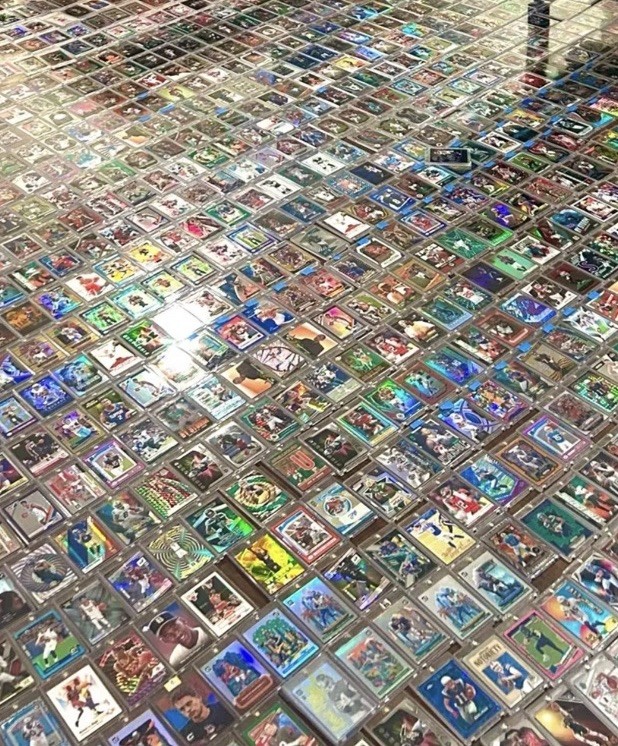

eBay links are affiliate links: JunkPal may earn a commission at no cost to you.
Resale values related to rainbow
Shop rainbow on eBay ↗


![Voltorb [Tekno] #100](/api/images/junkpal-products/cards/voltorb-tekno-100-pokemon-2000-topps-chrome-card/img0/thumb.webp)

JunkPal may earn a commission when you buy through eBay links, at no extra cost to you.
What’s worth the most
Ranked on medians of real closed eBay sales, not asking prices.