What does “pull rate” mean?
What it means
Pull rate is the statistical frequency of acquiring a specific, designated rare or chase card when opening sealed product (packs, boxes, etc.). It is the probability, expressed as a percentage or odds, of hitting a target card. This is the direct measurement of scarcity built into the product's distribution model. It is the industry equivalent of a drop rate in video game loot boxes. A high pull rate means the card is common within the sealed product; a low pull rate means the card is exceptionally rare.
What it does to price
Pull rate directly dictates the perceived scarcity premium. Extremely low pull rates (e.g., 1:500 or less) create significant value inflation for the specific card. Conversely, if a highly desired card has a high pull rate (e.g., 1:30), its loose market value is suppressed because supply is high. For sealed product, a known, low pull rate for a specific chase card can justify a 2x to 4x premium on the entire box price compared to a box containing only mid-tier pulls. For example, if a box is priced at \$100, and a key chase card has a 1:100 pull rate, the market may support that \$100 price point, whereas a box with a 1:50 pull rate might only fetch \$75.
How to spot it
Pull rates are rarely printed on the packaging itself; they are derived from community data. The exact tells involve cross-referencing multiple, established collector forums or tracking websites that aggregate verified pack openings. Sellers may claim a pull rate, but this is often anecdotal. To verify, sellers should provide evidence of the product's specific set numbering or rarity tier, if applicable. Be wary of sellers who claim proprietary knowledge of the pull rate; this is usually a tactic to inflate perceived value.
Buying smart
Paying a premium for sealed product based on a *rumored* pull rate is high risk. The premium is only justified when the pull rate is established by multiple, verifiable third-party data sets, and the target card is proven to be a major market driver. A fair deal involves the asking price being within 10-15% of the established average for that specific product line, adjusted for current market volatility. If the price is significantly above the established average, the risk premium is too high.
Selling smart
When listing sealed product, stating the *known* or *reported* pull rate for the top chase card adds immediate credibility and justifies a higher asking price. Instead of just listing the product, list it as "Set X - Known 1:X Chase Pull Rate." This shifts the listing from being a simple commodity sale to a speculative investment opportunity. The single most effective word to earn a premium is "Verified" when referencing the data source of the pull rate.
On eBay right now
Current asking prices from live listings — not sold-comp medians.


eBay links are affiliate links: JunkPal may earn a commission at no cost to you.
Resale values related to pull rate
Shop pull rate on eBay ↗![Mysterious Pearl [Spring Winner]](/api/images/junkpal-products/cards/mysterious-pearl-spring-winner-pokemon-japanese-promo-card/img0/thumb.webp)
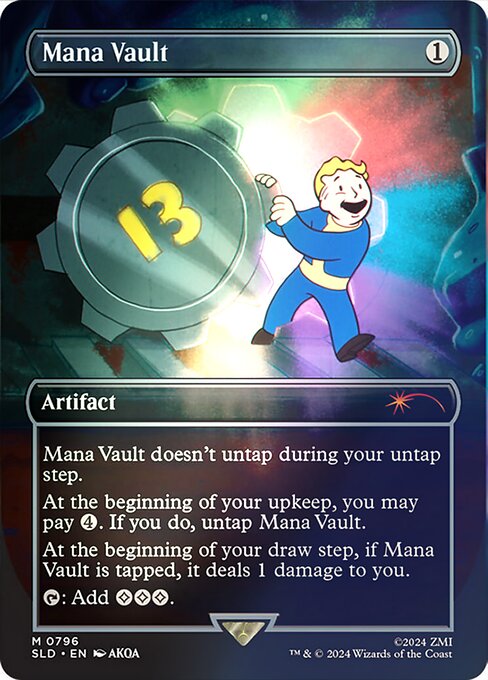
![Mana Vault [Foil] #796](/api/images/junkpal-products/cards/mana-vault-foil-796-magic-secret-lair-drop-card/img0/thumb.webp)
![Blister Pack [Shadowless]](/api/images/junkpal-products/cards/blister-pack-shadowless-pokemon-base-set-card/img0/thumb.webp)

JunkPal may earn a commission when you buy through eBay links, at no extra cost to you.
What’s worth the most
Ranked on medians of real closed eBay sales, not asking prices.