What does “pull” mean?
What it means
A pull is the specific, high-value item acquired from opening sealed product—packs, booster boxes, or graded cases. It is the outcome of the random distribution process. This term is standard collector jargon; the mainstream equivalent is "high-value acquisition." The value of the pull is determined by its rarity, condition, and demand within the market. A common pull has negligible resale value; a "chase pull"—a rare, highly sought-after, or error card—is the primary driver of profit potential in the hobby.
What it does to price
The pull dictates the potential return on the entire opened product. A low-value pull results in the product being valued near its sealed retail cost, minus opening fees. A significant pull acts as a multiplier. For example, a single rare card pull can increase the perceived value of a box opening by 3x to 10x the cost of the box itself, depending on the card's scarcity tier. A common mistake is overvaluing a pull based on hype; a card listed as "rare" but with low market liquidity might only fetch 1.2x its perceived value.
How to spot it
Identification requires knowledge of the specific product line's rarity structure. Look for specific card numbering sequences (e.g., /10 vs. /100), foil patterns, or unique parallel designations (e.g., "Gold Refractor"). Sellers must provide high-resolution images of the card's corners, edges, and surface to confirm authenticity and condition. Common issues include print errors (which can be high-value but must be verified) or simple misidentification of a common variant as a rare one.
Buying smart
Paying a premium for an opened product is justified only when the pull is a documented, verifiable "chase" item with established secondary market demand. If the pull is a mid-tier rare without significant market traction, the premium paid for the opened product is unlikely to be recouped. A fair deal involves the asking price of the opened product equaling the sealed retail value plus the established market value of the pull, minus a small discount for the opening process.
Selling smart
When listing an item containing a high-value pull, the documentation of the pull is the primary value driver. The listing must clearly state the pull's name, rarity designation, and ideally, include a high-quality photo of the pull itself, separate from the opened product. The word "Authenticated" or "Verified Pull" in the title or description allows for a premium pricing tier, often 15-30% above listings where the pull is merely mentioned without proof.
On eBay right now
Current asking prices from live listings — not sold-comp medians.

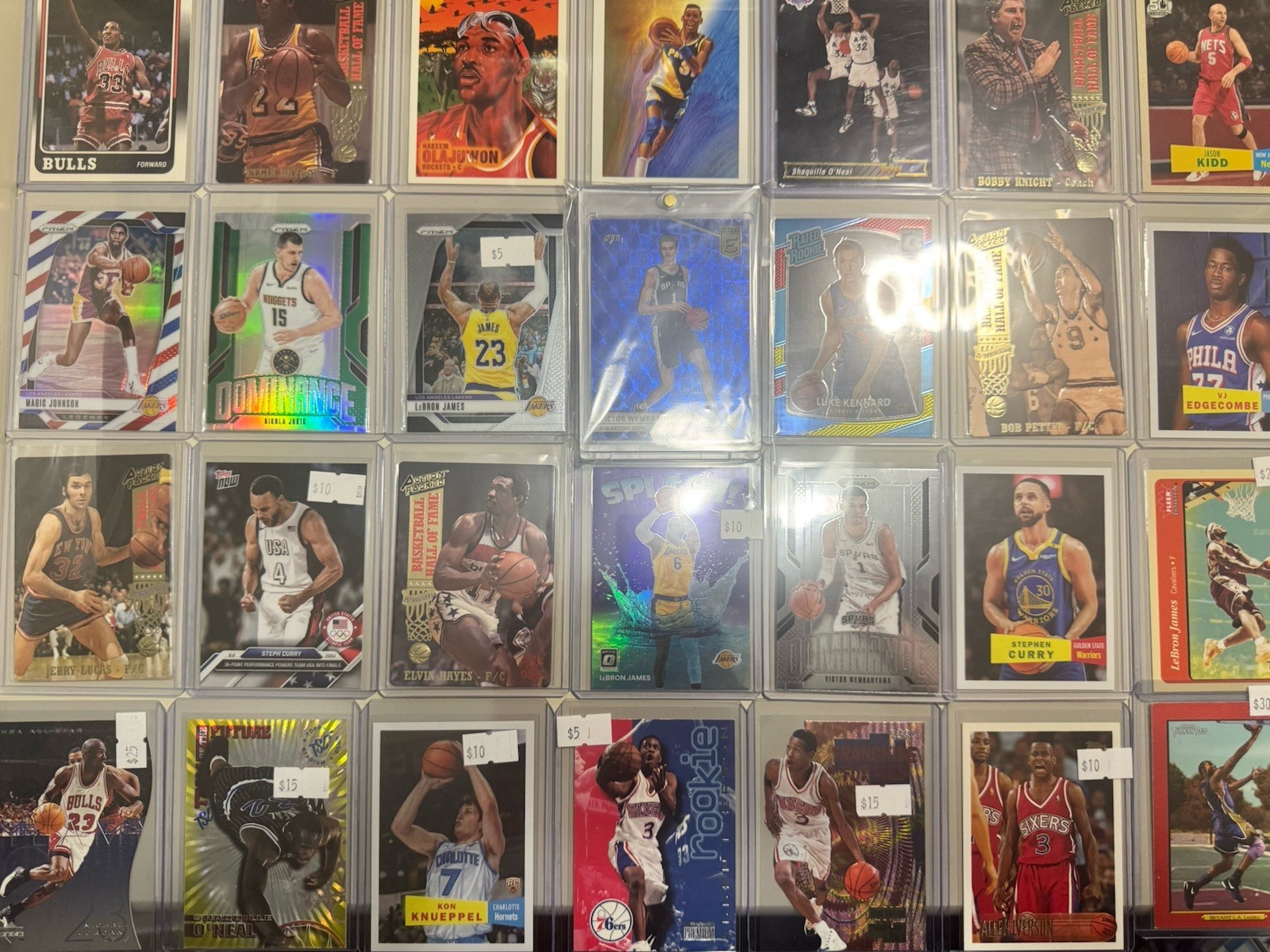
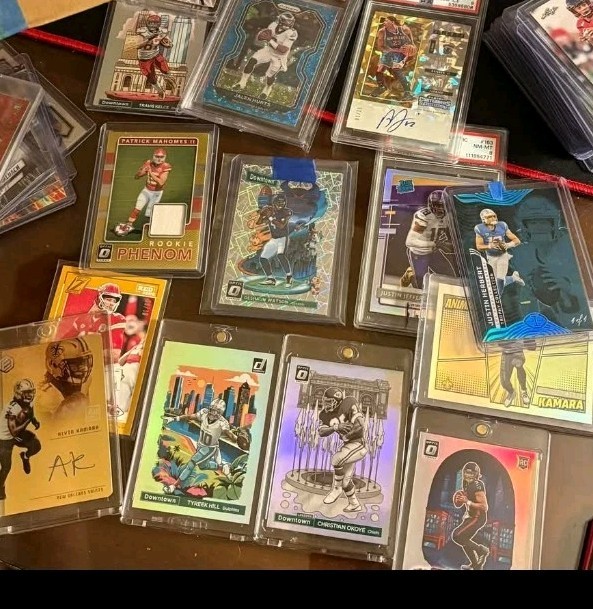


eBay links are affiliate links: JunkPal may earn a commission at no cost to you.
Resale values related to pull
Shop pull on eBay ↗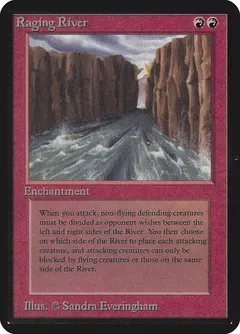
![Scyther [Tekno] #123](/api/images/junkpal-products/cards/scyther-tekno-123-pokemon-2000-topps-chrome-card/img0/thumb.webp)

![Scyther [Sparkle] #123](/api/images/junkpal-products/cards/scyther-sparkle-123-pokemon-2000-topps-chrome-card/img0/thumb.webp)
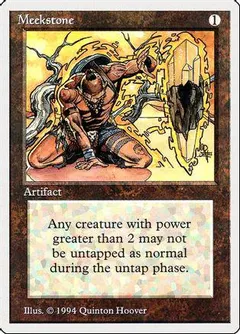


JunkPal may earn a commission when you buy through eBay links, at no extra cost to you.
What’s worth the most
Ranked on medians of real closed eBay sales, not asking prices.